Category: Learn

  • Mastering Forex Market Gaps for Strategic Trading Success

    Mastering Forex Market Gaps for Strategic Trading Success

    Forex Market Gaps represent significant opportunities for traders. Understanding these gaps in the Forex market is crucial for both novice and experienced traders. This article aims to demystify Forex Market Gaps, exploring their types, causes, and strategies for effective trading.

    In the realm of Forex trading, market gaps are intriguing phenomena that manifest as distinct breaks in price movement on a chart. These gaps are pivotal in Forex Market Gaps analysis and can be classified into four primary types: common gaps, breakaway gaps, runaway gaps, and exhaustion gaps. Each type of gap not only has unique characteristics but also holds different implications for trading strategies and decisions.

    Forex Market Gaps
    Source:earnforex

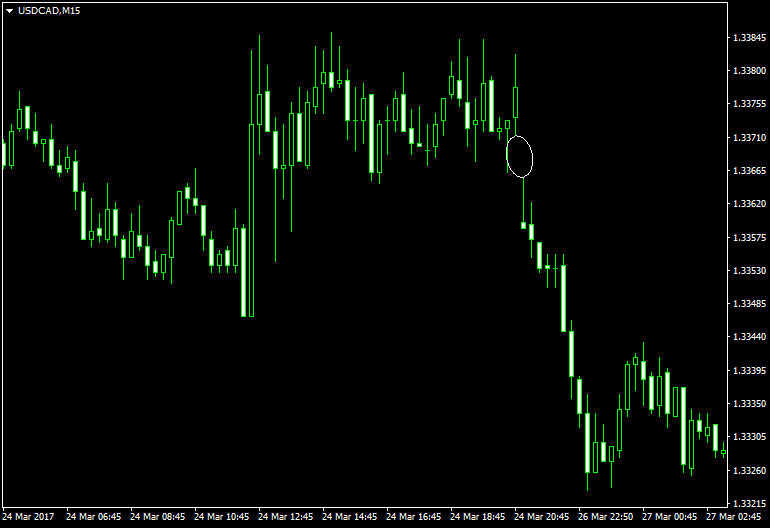
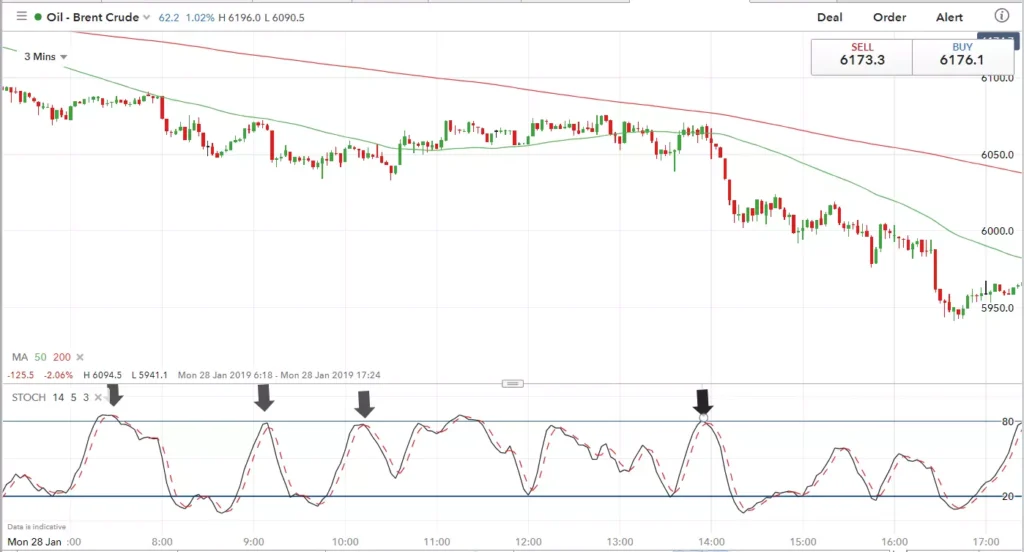
    Common gaps are frequently encountered in the Forex market. They typically occur in areas of price consolidation and do not necessarily indicate a significant market movement. These gaps are often filled quickly, meaning the price returns to the original pre-gap level. For traders, common gaps may not provide substantial trading opportunities due to their short-lived nature and lack of directional momentum.

    Forex Market Gaps
    Source:earnforex

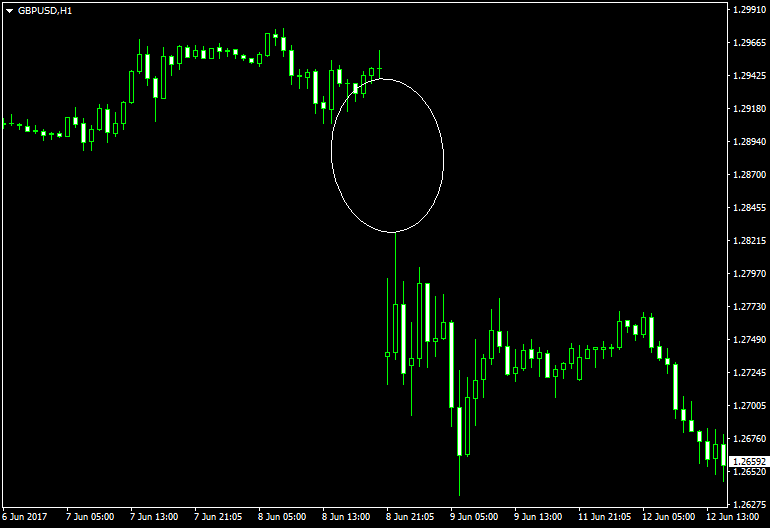
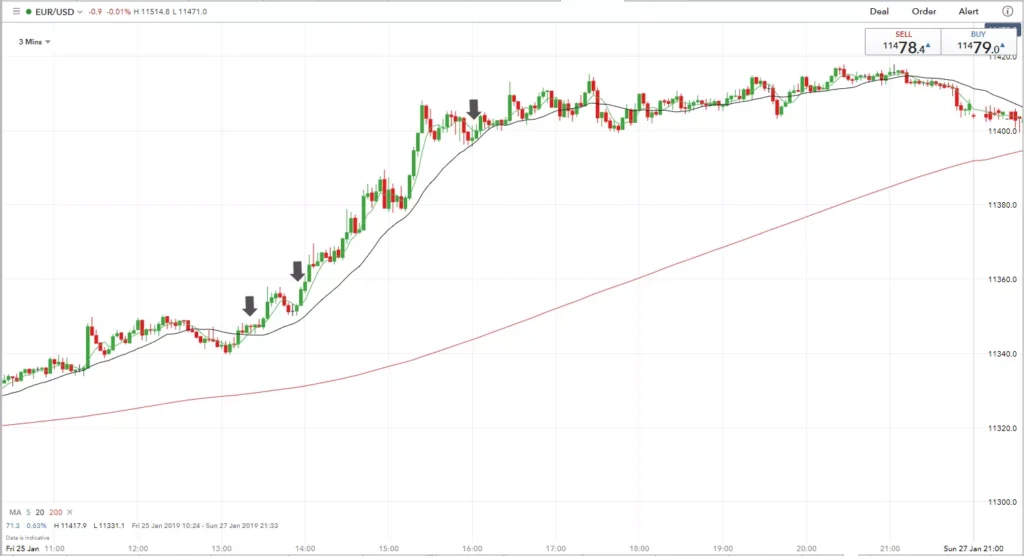
    Breakaway gaps are significant in Forex Market Gaps analysis as they signal the start of a new trend or a major price movement. These gaps usually occur after a period of price consolidation and are accompanied by high trading volume. They represent a clear departure from the previous price range, setting the stage for a new trend. Traders often view breakaway gaps as an opportunity to enter the market in the direction of the gap, anticipating a new trend.

    Forex Market Gaps
    Source:earnforex

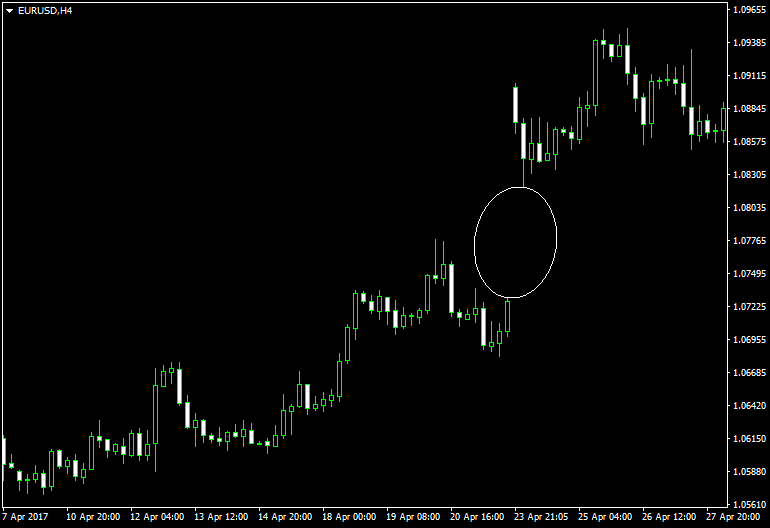
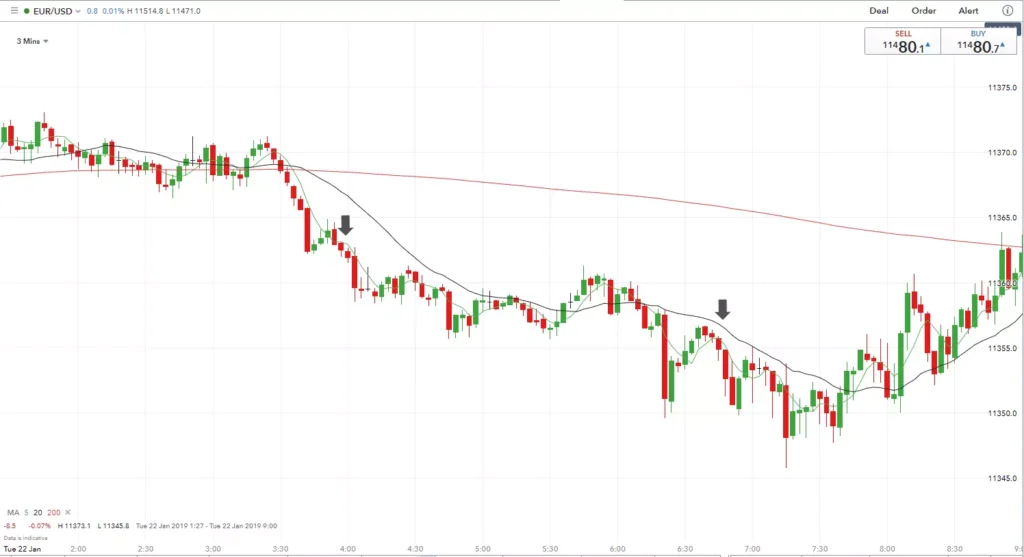
    Also known as continuation gaps, runaway gaps are indicative of an already established trend gaining further momentum. These gaps occur in the midst of a trend and suggest that the price is moving strongly in one direction. Runaway gaps can be valuable for traders as they reinforce the existing trend and can be used to add to or adjust existing positions in line with the ongoing trend.

    Forex Market Gaps
    Source:earnforex

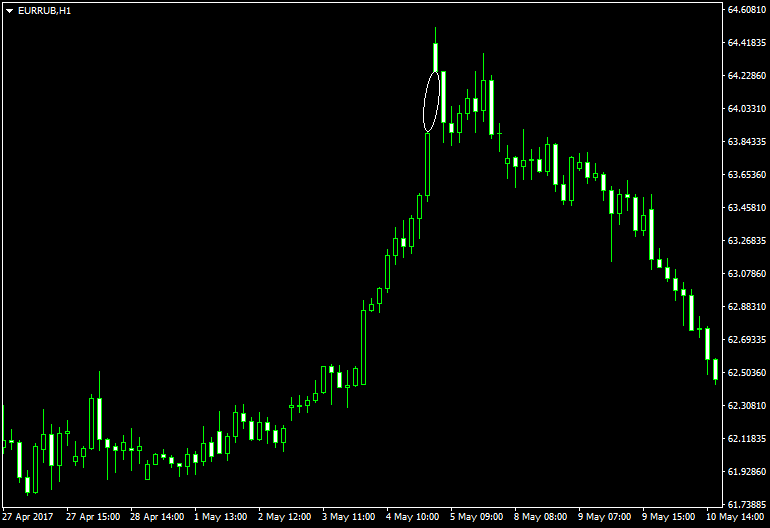
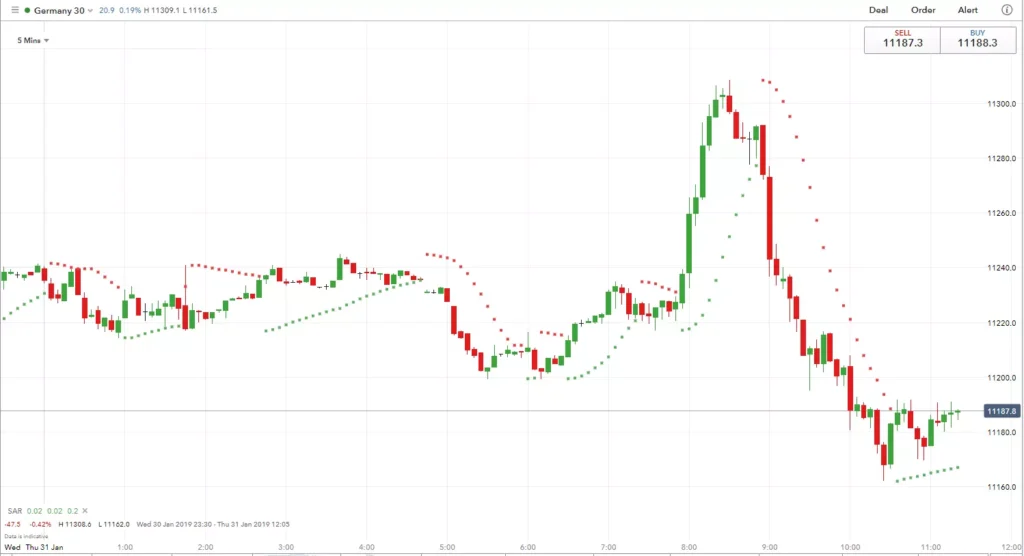
    Exhaustion gaps occur towards the end of a price trend and signify the final push before a trend reverses or loses momentum. These gaps are characterized by a noticeable spike in price movement, but unlike runaway gaps, they do not sustain the trend. Instead, they often lead to a trend reversal. Traders use exhaustion gaps as signals for potential trend reversals, making them crucial in planning exit strategies or preparing for a new opposing trend.

    Understanding the causes behind market gaps is essential for traders employing Forex Market Gaps strategies. These gaps can arise from a variety of factors, each influencing the Forex market in distinct ways. Recognizing these can help traders in better anticipating and navigating through these gaps. The primary causes include Weekend Gap Trading situations, News-Driven Gap Strategies, economic events, and liquidity issues.

    Weekend gaps typically occur due to the closure of the Forex market over the weekend. Since the market is closed, it does not react to news or events happening during this period until it reopens. When it does, there can be a significant price difference between Friday’s close and Sunday’s open, resulting in a gap. Weekend Gap Trading strategies revolve around predicting and responding to these gaps, which can be substantial depending on the events over the weekend.

    News-driven gaps are a result of significant news events or economic reports that can cause sudden and sharp movements in currency prices. These gaps are often more unpredictable and can occur rapidly. News such as political developments, economic policy announcements, or release of economic data like employment rates, GDP, or interest rate changes can all lead to news-driven gaps. Forex traders utilizing News-Driven Gap Strategies must stay well-informed and react quickly to news events to capitalize on these gaps.

    Apart from regular news, specific economic events can also lead to market gaps. These events include central bank announcements, economic summits, or unforeseen geopolitical events. The anticipation or reaction to these events can cause sudden shifts in market sentiment, leading to price gaps. Traders must monitor economic calendars and global events closely as part of their Forex Gap Analysis to predict potential market reactions.

    Liquidity gaps occur when there is a lack of sufficient trading volume or liquidity in the market to support smooth price movements. These gaps can be more prevalent in less popular currency pairs or during off-market hours. A sudden order in a low liquidity environment can cause the price to jump, creating a gap. Understanding liquidity levels is crucial for traders, especially when trading less popular pairs or during times of low market activity.

    In summary, market gaps in Forex trading are influenced by a combination of Weekend Gap Trading situations, news-driven events, broader economic events, and liquidity factors. Effective Gap Trading Techniques and comprehensive Forex Gap Analysis involve understanding and anticipating these factors, allowing traders to navigate market gaps strategically and enhance their trading effectiveness.

    Weekend gaps in Forex trading present unique challenges and opportunities. These gaps occur because the Forex market closes on Friday and reopens on Sunday, and any significant events during the weekend can lead to a difference in price between Friday’s close and Sunday’s open. Understanding how to navigate and trade these weekend gaps is crucial for Forex traders, especially those focusing on Weekend Gap Trading strategies.

    A weekend gap occurs when there is a significant price jump between the closing price on Friday and the opening price on Sunday. This can be due to economic, political, or social events that happen over the weekend when the market is closed. Traders need to understand that these gaps can move in either direction, up or down, and the size of the gap can vary significantly.

    When it comes to trading weekend gaps in Forex, the strategies typically involve the use of limit and stop orders. These orders are placed at strategic points where the trader anticipates the market will move upon opening after the weekend.

    1. Limit Orders for Weekend Gap Trading: Limit orders can be set at the Friday closing price or just before the gap, with the anticipation that the price will revert to its original position. This strategy is based on the premise that gaps will eventually be filled, meaning the price will return to its pre-gap level.
    2. Stop Orders to Capitalize on Gap Movement: Conversely, stop orders can be placed in the direction of the gap. If a trader believes that the weekend gap signifies a continued move in that direction, stop orders can be an effective way to capitalize on this movement.
    3. Risk Management in Weekend Gap Trading: Regardless of the strategy, risk management is crucial when trading weekend gaps. This includes setting appropriate stop-loss orders to protect against unexpected market movements and managing position sizes to mitigate potential losses.

    Consider a scenario where a major political event occurs over the weekend, and it is expected to negatively impact a particular currency. Traders might set a sell limit order just below the Friday closing price, anticipating a drop in the currency’s value when the market opens. If the market opens lower as anticipated, the sell order will be executed, potentially leading to profits if the price continues to drop.

    In another instance, if there’s positive news over the weekend that is likely to boost a currency, traders might place a buy stop order above the Friday closing price. If the market opens higher and continues to rise, this can result in a profitable trade.

    Trading weekend gaps in the Forex market involves a combination of strategic planning, market analysis, and robust risk management. By understanding the nature of weekend gaps and using appropriate trading techniques, Forex traders can take advantage of these market occurrences. However, it’s important to remember that while these strategies can be profitable, they also carry risks, and traders should always be prepared for different market scenarios.

    News-Driven Gap Strategies are a critical component of Forex trading, as they involve responding to market gaps created by significant news releases. These gaps occur due to the immediate reaction of the market to news events, often leading to sudden and substantial price movements. Understanding how to trade these news-driven gaps can be highly beneficial for Forex traders.

    Preparation is key when it comes to trading news-driven gaps in the Forex market. Traders need to stay updated with economic calendars and be aware of upcoming major news events, such as central bank announcements, economic data releases, or geopolitical events that could impact the currency markets. Anticipating these events and understanding their potential impact on different currency pairs is crucial.

    1. Monitoring Economic Calendars: Regularly check economic calendars for upcoming news events and their expected impact.
    2. Analyzing Potential Outcomes: Consider various scenarios based on potential news outcomes and plan trading strategies accordingly.
    3. Setting Up Alerts: Use trading software or apps to set alerts for major news releases to ensure timely reactions.

    Once a news event occurs, the initial market reaction often results in a gap. Trading this initial gap requires swift action.

    1. Immediate Entry: Some traders choose to enter a trade immediately after the gap occurs, predicting the direction based on the news released.
    2. Wait for Initial Fluctuation: Others prefer to wait for the initial volatility to settle before entering, as the first reaction can sometimes be misleading.

    After the initial gap, the market may continue in the same direction or reverse. Traders need to be prepared for both scenarios.

    1. Follow-through Trades: If the gap continues in the same direction, traders may look for additional entry points to capitalize on the trend.
    2. Reversal Trades: If the market shows signs of reversing, traders can look for opportunities to trade against the initial gap movement.

    Real-world case studies of news-driven gaps provide valuable insights. For instance, a surprise interest rate cut by a central bank might lead to a sharp decline in that country’s currency. Traders who anticipate this move can place sell orders immediately after the announcement. Alternatively, if the market starts to reverse, perhaps due to an overreaction, traders might find profitable opportunities in buying the currency at a lower rate.

    Another case could involve employment data releases. If the data is significantly better or worse than expected, it can create substantial currency movements. Traders can take advantage of these movements by either trading in the direction of the gap or waiting for a potential reversal if the market overreacts.

    Trading News-Driven Gaps in Forex involves a combination of careful preparation, quick reaction to news releases, and adaptability to the market’s response. By understanding how to trade both the initial gap and its continuation, and by learning from past case studies, traders can develop effective strategies for capitalizing on these market opportunities. However, as with all trading strategies, risk management and a thorough understanding of market dynamics are essential.

    In the volatile world of Forex Market Gaps trading, effective risk management is not just a best practice; it’s a necessity for long-term success. Understanding and implementing robust risk management strategies, particularly in the context of stop-loss orders, position sizing, and leverage management, is crucial for navigating the uncertainties associated with market gaps.

    Stop-loss orders are a vital component of risk management in Forex Market Gaps trading. These orders help traders limit potential losses by automatically closing a position at a predetermined price level.

    1. Determining Stop-Loss Levels: The placement of stop-loss orders should be based on a thorough analysis of market conditions and the specific characteristics of the gap being traded. It’s crucial to set these orders at a level that balances the potential for profit and the risk of loss.
    2. Using Technical Analysis: Technical indicators and historical price levels can provide insights into where to set stop-loss orders. For instance, placing a stop-loss just below a key support level can protect against downward gaps.
    3. Adjusting to Market Volatility: In times of high volatility, such as during major news releases, wider stop-losses may be necessary to accommodate larger price swings and prevent premature trade exits.

    The size of a position and the amount of leverage used are pivotal in risk management, especially in the context of trading Forex Market Gaps.

    1. Calculating Position Size: It’s important to determine the appropriate position size for each trade based on the overall account balance and the risk tolerance of the trader. A common rule is not to risk more than a certain percentage (often 1-2%) of the account balance on a single trade.
    2. Understanding Leverage: While leverage can amplify profits, it can also magnify losses, especially in gap trading where market moves can be substantial. Traders should use leverage cautiously, understanding the potential risks and keeping leverage at a manageable level.
    3. Balancing Risk and Reward: The potential reward of a trade should justify the risk taken. Traders need to assess the risk/reward ratio of a gap trading opportunity to ensure it aligns with their trading strategy and goals.

    Effective risk management in Forex Market Gaps trading is about more than just protecting capital; it’s about making strategic decisions that balance potential profits against possible risks. By setting appropriate stop-loss orders, managing position sizes wisely, and using leverage judiciously, traders can navigate the challenges of gap trading and work towards achieving consistent trading results. Remember, successful gap trading is not just about the trades you win but also about how you manage the trades that don’t go as planned.”

    Trading Forex Market Gaps can be a lucrative endeavor, but it’s fraught with potential pitfalls that can hinder performance. Identifying and understanding these common mistakes is crucial for traders looking to enhance their strategy and avoid costly errors.

    One of the most common mistakes in Forex Market Gaps trading is misinterpreting the significance of a gap. Not all gaps signal a strong trading opportunity. For instance, mistaking a common gap for a breakaway gap could lead to misguided trades. It’s essential to analyze the context in which a gap occurs, considering factors like market trends, news events, and trading volume.

    Another pitfall is inadequate preparation for news-driven gaps. Traders may either miss the signs of an impending news release or misjudge its potential impact. This lack of preparation can result in missed opportunities or unexpected losses. Keeping an up-to-date economic calendar and understanding the potential market impacts of upcoming news events are critical steps in preparing for news-driven gaps.

    Perhaps the most critical mistake traders make is neglecting proper risk management, especially in the volatile environment of gap trading. Failing to set appropriate stop-loss orders, overleveraging positions, or risking too much capital on a single trade can lead to significant losses. Effective risk management involves not only protecting against losses but also ensuring that trading actions are aligned with one’s overall trading plan and risk tolerance.

    Overtrading or chasing the market after a gap has occurred is another common error. In the rush to capitalize on a gap, traders may enter the market without a clear strategy or exit plan. This impulsive trading often leads to poor decision-making and increased transaction costs. Patience and discipline are key; not every gap presents a viable trading opportunity.

    Successful Forex Market Gaps trading requires adaptability. A common pitfall is failing to adjust strategies in response to market feedback. If a trading approach isn’t yielding the expected results, it may be time to reevaluate and adjust the strategy. This could involve refining gap analysis techniques, tweaking risk management practices, or even taking a break to reassess one’s approach.

    Avoiding these common pitfalls in Forex Market Gaps trading requires a combination of thorough market analysis, disciplined strategy implementation, and consistent risk management. By recognizing and learning from these common mistakes, traders can enhance their ability to navigate the complexities of gap trading and improve their overall trading performance. Remember, in the dynamic world of Forex trading, continuous learning and adaptation are key to long-term success.

    Concluding the article, we’ll recap the key aspects of Forex Market Gaps and their trading strategies. We’ll encourage traders to practice and refine their gap trading skills, highlighting the potential rewards of mastering this aspect of Forex trading.

    Click here to read our latest article on Forex Grid Trading

    1. What are Forex Market Gaps? Forex Market Gaps are areas on a chart where no trading occurs, resulting in a visible gap between two price levels. They usually happen due to significant price movements caused by market events or news.
    2. What causes Forex Market Gaps to occur? Gaps in the Forex market typically occur due to factors like major news events, economic data releases, weekend closures (leading to Weekend Gap Trading), and liquidity issues.
    3. Can you explain Weekend Gap Trading? Weekend Gap Trading refers to a strategy that focuses on gaps that occur between the Friday close and the Sunday open of the Forex market, often caused by events or developments that take place over the weekend.
    4. What are News-Driven Gap Strategies? News-Driven Gap Strategies involve trading decisions based on gaps created by significant news releases or economic events that cause immediate and substantial market reactions.
    5. How do I trade a news-driven gap? To trade a news-driven gap, prepare for potential market moves before the news release, execute trades based on the initial gap, and consider trading the continuation of the gap movement, if applicable.
    6. What are the different types of market gaps? The four main types of market gaps are common gaps, breakaway gaps, runaway (or continuation) gaps, and exhaustion gaps, each with unique characteristics and trading implications.
    7. How important is risk management in trading Forex Market Gaps? Risk management is crucial in gap trading to mitigate potential losses. It involves setting stop-loss orders, managing position sizes, and being cautious with leverage.
    8. What are some common mistakes in gap trading? Common mistakes include misinterpreting the type or significance of gaps, neglecting risk management, overtrading, and failing to adjust strategies based on market feedback.
    9. Can gap trading be automated? While some aspects of gap trading can be automated, particularly in identifying gaps, it’s important for traders to manually assess and manage trades due to the complexity and volatility associated with gaps.
    10. How can I improve my gap trading skills? To improve gap trading skills, focus on continuous learning, keep up-to-date with market news, practice disciplined risk management, and analyze past trades to learn from successes and mistakes.

    Click here to learn more about Forex Market Gaps

  • Forex Grid Trading Strategy: Master the Market and Unlock Trading Success

    Forex Grid Trading Strategy: Master the Market and Unlock Trading Success

    Forex trading offers a diverse range of strategies, among which the Forex Grid Trading Strategy stands out for its unique approach to market fluctuations. This article aims to delve into the advanced aspects of the Forex Grid Trading Strategy, highlighting its setup procedures and essential risk management techniques.

    Grid trading, a cornerstone of the Forex Grid Trading Strategy, is an innovative approach tailored for the dynamic Forex market. This strategy involves setting up a ‘grid’ of buy and sell orders at predefined intervals around a base price. As a result, traders create a series of orders at prices that incrementally increase and decrease, forming a grid-like structure on the price chart. This strategic layout is designed to work in various market conditions, making it a versatile choice for Forex traders.

    The most significant advantage of the Forex Grid Trading Strategy lies in its unique ability to harness the inherent volatility of the Forex market. Unlike many trading strategies that rely on predicting market direction, grid trading thrives on market movement, regardless of whether it’s upwards, downwards, or sideways. This makes it an attractive strategy, especially in markets characterized by significant fluctuations. By automatically executing buy and sell orders as the market moves, the strategy can generate profits from these natural market oscillations.

    However, the application of the Forex Grid Trading Strategy is not without its complexities. One of the primary challenges traders face is the need for meticulous market monitoring. Due to the multiple open positions that can arise from numerous grid lines, there is an increased demand for constant vigilance to ensure that the strategy is performing as expected. This aspect of the strategy can be particularly demanding during times of extreme market volatility or unexpected economic events, where rapid changes can significantly impact the grid’s performance.

    Additionally, the Forex Grid Trading Strategy involves a unique risk factor in the form of potential margin calls. Given that numerous positions are often open simultaneously, a significant move against the trader’s positions could lead to substantial margin requirements. Therefore, effective risk management is crucial when employing this strategy. This includes setting appropriate stop-loss levels, managing the size and spacing of the grid, and being prepared to adjust the strategy in response to changing market conditions.

    In summary, the Forex Grid Trading Strategy is a sophisticated trading approach that offers the potential for profit by leveraging market volatility. While it provides a unique way to engage with the Forex market, it also requires a deep understanding of market dynamics, vigilant monitoring, and adept risk management. For traders who can navigate these challenges, grid trading offers an intriguing and potentially rewarding avenue in the world of Forex trading.

    Embarking on a Forex Grid Trading Strategy requires a well-planned and executed Grid Trading Systems Setup. This setup is foundational to the success of the strategy, as it determines how the grid will interact with market movements. Key to this setup is the careful selection of currency pairs. Ideally, traders should opt for pairs that exhibit stable and predictable ranges. These pairs tend to offer the right balance between volatility and predictability, making them ideal for grid trading. The rationale is straightforward: currency pairs with too much unpredictability can lead to erratic grid performance, while those with insufficient movement may yield minimal trading opportunities.

    Once the appropriate currency pairs are selected, the next critical step is to determine the grid’s size and spacing. This involves two primary options: fixed grids and dynamic grids. A fixed grid system maintains a consistent spacing between orders. It’s a more straightforward approach, where the intervals at which buy and sell orders are placed remain unchanged, regardless of market fluctuations. This method suits traders who prefer simplicity and predictability in their trading approach.

    Conversely, dynamic grids offer a more flexible strategy. In this system, the spacing between orders can adjust in response to changing market conditions. This adaptability can be particularly advantageous in volatile markets, as it allows the grid to respond to increased market movements and potentially capture greater profits. However, this approach requires a more sophisticated understanding of market dynamics and may involve more complex setup and management.

    Whether a trader chooses a fixed or dynamic grid, there are several additional factors to consider. These include determining the number of levels in the grid, setting the distance between these levels, and deciding on the size of the positions at each level. Each of these decisions plays a crucial role in the overall performance of the Forex Grid Trading Strategy. For instance, closer spacing can lead to more frequent trades but also increases the risk and the potential for margin calls. Conversely, wider spacing may result in fewer trades but with potentially higher profits per trade.

    In conclusion, setting up a Grid Trading System for the Forex Grid Trading Strategy is a process that requires careful consideration and planning. Selecting the right currency pairs and deciding between a fixed or dynamic grid are just the beginning steps. Traders must also consider the finer details of their grid setup, balancing the potential for profits with the associated risks. A well-thought-out Grid Trading Systems Setup can significantly enhance the effectiveness and profitability of the Forex Grid Trading Strategy.

    The Forex Grid Trading Strategy encompasses a spectrum of tactics, each tailored to different market conditions. Among these, trend-following and range-bound strategies are particularly prominent, offering traders diverse ways to capitalize on market movements. The effectiveness of these strategies lies in their adaptability, allowing traders to align their approach with current market trends.

    A trend-following grid strategy is designed to ride the momentum of market trends. In this approach, traders place buy orders at regular intervals in an uptrend, capitalizing on the continuous upward movement. Similarly, during a downtrend, sell orders are placed at these intervals. The key advantage of this strategy is its ability to latch onto strong market movements, potentially yielding significant profits as the trend continues. However, this strategy requires accurate trend identification and an understanding of when a trend might be losing momentum to avoid entering positions at the end of a trend.

    Conversely, a range-bound strategy is effective in markets that move within a well-defined range, oscillating between support and resistance levels. In this scenario, traders place buy orders near the support levels and sell orders near the resistance levels. This strategy banks on the market’s tendency to bounce back and forth within these levels. The challenge here is to accurately identify stable ranges and adjust the grid accordingly. This strategy tends to be more effective in more stable market conditions, where extreme price fluctuations are less common.

    The adaptability of the Forex Grid Trading Strategy is a crucial aspect of its success. Markets are dynamic and can shift from trending to range-bound conditions (and vice versa) rapidly. Traders using the grid trading approach must be vigilant and ready to adjust their strategies in response to these changes. This might involve shifting from a trend-following to a range-bound strategy, adjusting the spacing and size of the grid orders, or even temporarily pausing the strategy during periods of extreme market uncertainty.

    In addition to these primary strategies, traders can also explore hybrid approaches. These might combine elements of both trend-following and range-bound strategies, or incorporate other trading principles such as mean reversion or breakout strategies. The goal is to create a grid system that can adapt to various market scenarios, maximizing opportunities for profit while managing risk.

    In summary, various strategies under the Forex Grid Trading Strategy umbrella offer traders flexibility and adaptability in different market conditions. Whether employing a trend-following, range-bound, or a hybrid approach, the key to success lies in understanding market dynamics and being ready to modify the strategy as the market evolves. By doing so, traders can leverage the full potential of grid trading, harnessing market movements for profitable trading opportunities.

    In the realm of the Forex Grid Trading Strategy, effective Grid Trading Risk Management is not just a component of the strategy; it’s the backbone that sustains it. The volatile nature of the Forex market makes it imperative for traders to implement robust risk management techniques to protect their investments. Central to this approach is the strategic use of stop-loss orders and the careful management of the number and size of open positions.

    The implementation of stop-loss orders is a fundamental risk management tool in grid trading. These orders are designed to automatically close out a trading position at a predetermined price level, thereby limiting potential losses. The correct placement of stop-loss orders is crucial. Set them too close to the opening price, and you risk premature exits from potentially profitable trades. Set them too far, and the risk of substantial losses increases. Thus, a nuanced understanding of market volatility and price movements is essential in setting effective stop-loss levels.

    Another vital aspect of Grid Trading Risk Management is the control over the number and size of open positions. The very nature of grid trading often involves multiple simultaneous trades. Without careful management, this can lead to overexposure and significant margin requirements, particularly if the market moves unfavorably. To mitigate this risk, traders need to determine the appropriate number of positions that align with their risk tolerance and account size. Additionally, managing the size of each position is crucial. Smaller position sizes may reduce potential profits but also limit potential losses, making them a prudent choice for risk-averse traders.

    A delicate balance between profitability and risk is the cornerstone of successful grid trading. Traders must make informed decisions based on a thorough analysis of market conditions, their financial goals, and their individual risk tolerance. This involves not only setting up the initial grid parameters but also continuously monitoring and adjusting these parameters in response to market changes.

    Moreover, Grid Trading Risk Management isn’t just about preventing losses; it’s about optimizing the trading approach for long-term sustainability. This includes using risk-to-reward ratios to evaluate the potential profitability of trades against the risks involved. Traders should also consider diversifying their trading strategies to spread risk across different markets and trading systems.

    In conclusion, effective risk management in the Forex Grid Trading Strategy is crucial for safeguarding investments. The strategic use of stop-loss orders and the management of open positions form the core of risk mitigation in grid trading. By carefully balancing profitability with risk, and making informed, adaptable decisions, traders can navigate the complexities of the Forex market and achieve sustainable trading success.”

    In the constantly evolving world of Forex trading, the integration of advanced tools and software has revolutionized the Forex Grid Trading Strategy. These technological solutions range from automated forex grid trading systems to sophisticated market analysis software, each designed to enhance the efficiency and effectiveness of grid trading.

    Automated forex grid trading systems are at the forefront of this technological evolution. These systems are engineered to autonomously execute trades based on predefined grid strategies. They continuously monitor the Forex market, making real-time adjustments to orders based on market movements. This automation significantly reduces the manual workload for traders, allowing them to focus on broader strategy and market analysis. Automated systems can manage multiple currency pairs simultaneously, ensuring that opportunities are not missed and that the grid is constantly optimized.

    These systems often come with customizable settings, enabling traders to tailor their grid parameters according to their trading style and risk tolerance. Traders can set the grid size, order intervals, stop-loss levels, and take-profit points. Some advanced systems also offer dynamic grid adjustments, where the spacing and order size can change in response to market volatility or other specific conditions.

    However, while automated forex grid trading systems offer numerous advantages, they are not without risks. Over-reliance on automation can lead to complacency, where traders may neglect to understand the underlying market dynamics driving their trades. This lack of understanding can be particularly problematic during unusual market conditions or sudden economic events, where human intervention and judgment are crucial.

    In addition to automated systems, there are also various software tools available for market grid analysis. These tools provide traders with in-depth insights into market trends, volatility patterns, and potential support and resistance levels. By analyzing these factors, traders can make more informed decisions about grid setup and adjustments. For example, a thorough analysis of market volatility can help a trader decide on the appropriate spacing between orders in their grid.

    Integrating these tools and software into the Forex Grid Trading Strategy requires a balanced approach. While they offer significant advantages in terms of efficiency and data analysis, they should not replace a trader’s understanding and intuition about the market. A successful grid trader uses these tools as a complement to their knowledge and experience, ensuring that their strategy is both technologically advanced and grounded in solid market understanding.

    In conclusion, the tools and software available for grid trading in the Forex market are invaluable assets for any trader using the Forex Grid Trading Strategy. They provide automation, efficiency, and deep market insights, facilitating more effective and informed trading decisions. However, these technological aids should be used judiciously, complementing a trader’s expertise rather than replacing it.

    The Forex Grid Trading Strategy, while offering numerous opportunities for profit, is not without its challenges and limitations. These hurdles arise from various factors, primarily stemming from the inherent unpredictability of the Forex market.

    One of the key challenges in grid trading is dealing with unexpected market conditions. The Forex market can be highly volatile, often influenced by unforeseen news or global events. Such occurrences can cause rapid and significant market movements that deviate from the usual patterns. For a grid system, especially one that is automated, this can lead to a series of unplanned trades being executed, potentially resulting in substantial losses. Traders employing the Forex Grid Trading Strategy need to be vigilant about such scenarios. This requires staying updated with global economic news and being able to quickly adjust or pause their grid strategies in response to sudden market shifts.

    Another limitation of the Forex Grid Trading Strategy is its reliance on specific market conditions to be effective. While grid trading can be profitable in markets with clear trends or stable ranges, it may struggle in highly erratic markets. In such conditions, the price may move too unpredictably, making it challenging to set effective grid parameters. This unpredictability can lead to either side of the grid being hit too frequently or not at all, disrupting the balance of the strategy.

    Additionally, grid trading requires a significant level of monitoring and adjustment. Even with automated systems, there is a need for human oversight to ensure the strategy remains aligned with current market conditions. This can be a time-consuming process and may not be suitable for traders looking for a more set-and-forget type of trading approach.

    Margin calls are another critical concern in grid trading. Since this strategy often involves opening multiple positions, it can tie up a substantial amount of capital. If the market moves unfavorably and the stop-loss levels are not set appropriately, traders could face margin calls, where they are required to commit more capital to keep their positions open. This scenario can be especially risky for traders with limited capital.

    In conclusion, while the Forex Grid Trading Strategy offers a unique way to approach the Forex market, it comes with its own set of challenges and limitations. Traders must be prepared to deal with unexpected market changes, understand the strategy’s requirements in different market conditions, and commit to ongoing monitoring and adjustment of their trading system. Recognizing and navigating these challenges is crucial for traders aiming to achieve long-term success with the Forex Grid Trading Strategy.

    Achieving mastery in the Forex Grid Trading Strategy requires more than just setting up a system and letting it run. Experienced grid traders emphasize the importance of several advanced practices and tips that are key to optimizing and sustaining profitability in the long term.

    The cornerstone of successful grid trading lies in the constant monitoring and timely adjustment of the grid system. The Forex market is dynamic, with trends and volatility levels changing frequently. As such, a grid setup that works today may not be effective tomorrow. Traders should regularly review their grid parameters — such as the distance between orders, order sizes, and stop-loss levels — and adjust them to align with the current market conditions. This proactive approach can help in capitalizing on market opportunities as they arise and mitigating risks associated with sudden market shifts.

    An in-depth understanding of market trends and economic indicators is vital for grid traders. Keeping abreast of global economic news, financial reports, and geopolitical events can provide valuable insights into market movements. For instance, announcements about interest rate changes, employment data, and GDP reports can significantly impact currency prices. By staying informed, traders can anticipate potential market reactions and adjust their grid strategies accordingly.

    The Forex market is continually evolving, and so should the strategies of grid traders. Engaging in continuous learning is crucial to stay ahead in the game. This involves not only keeping up with financial news and market trends but also studying advanced trading concepts, exploring new grid trading techniques, and learning from the experiences of other successful traders. Many resources are available for this purpose, including trading forums, webinars, online courses, and trading books.

    While the Forex Grid Trading Strategy can be profitable, relying solely on it can expose traders to specific risks. Diversifying trading strategies can help mitigate these risks. Traders might consider combining grid trading with other trading approaches, such as swing trading or scalping, depending on their risk tolerance and trading goals. This diversification can provide a more balanced trading portfolio, reducing the impact of potential losses in any one strategy.

    Before applying the Forex Grid Trading Strategy with real capital, practicing in a simulated trading environment can be highly beneficial. Many trading platforms offer demo accounts where traders can test their grid strategies without financial risk. This practice allows traders to refine their strategies, get comfortable with the mechanics of grid trading, and understand the potential outcomes in different market scenarios.

    Lastly, effective risk management remains a critical aspect of advanced grid trading. This goes beyond setting stop-loss orders; it involves managing overall exposure, being cautious with leverage, and having a clear understanding of the financial implications of the trading decisions made.

    In conclusion, advancing in the Forex Grid Trading Strategy requires a combination of constant monitoring, staying informed, continuous learning, strategy diversification, practice, and sound risk management. By adhering to these best practices, traders can enhance their skills, adapt to the ever-changing Forex market, and strive for sustained trading success.

    The Forex Grid Trading Strategy, with proper Grid Trading Systems Setup and Grid Trading Risk Management, offers a unique way to approach the Forex market. While it presents certain challenges, its adaptability to market conditions makes it a valuable strategy for traders. As with any trading approach, success in grid trading requires understanding, patience, and continuous adaptation.

    Click here to read our latest article on Forex Seasonal Trends

    1. What is the Forex Grid Trading Strategy? The Forex Grid Trading Strategy is a method used in Forex trading where traders place a series of buy and sell orders at predetermined intervals above and below a set price. This creates a grid of orders, allowing traders to profit from natural market volatility.
    2. How do I set up a Grid Trading System? To set up a Grid Trading System, start by selecting suitable currency pairs, preferably those with stable and predictable ranges. Then, decide on the grid’s size and spacing, choosing between a fixed or dynamic grid based on your trading style and market conditions.
    3. What are the main advantages of using the Forex Grid Trading Strategy? The primary advantage is its ability to capitalize on market volatility, regardless of the direction of market movement. It allows for multiple trading opportunities and can be effective in various market conditions.
    4. What are the key risks in Grid Trading? Key risks include the need for continuous market monitoring, potential margin calls due to numerous open positions, and the strategy’s dependence on specific market conditions to be effective.
    5. How important is risk management in Grid Trading? Risk management is crucial in Grid Trading. It involves setting strategic stop-loss orders to limit potential losses and managing the number and size of open positions to balance profitability and risk.
    6. Can I use automated systems for Grid Trading? Yes, automated forex grid trading systems can be used to execute trades and adjust orders automatically. However, it’s important to understand the market dynamics and not rely solely on automation.
    7. What are some common challenges in Grid Trading? Common challenges include dealing with unexpected market conditions, like news or events that can disrupt grid strategies, and the need for constant adjustment of the grid system in response to market changes.
    8. What types of grid trading strategies exist? There are various strategies, including trend-following and range-bound strategies. Trend-following strategies capitalize on market trends, while range-bound strategies work best in markets that fluctuate within a certain range.
    9. What tools or software can assist in Grid Trading? There are several tools and software available, including automated trading systems for executing trades and market analysis software for in-depth insights into market trends and volatility patterns.
    10. What are some best practices for advanced grid traders? Advanced traders should constantly monitor and adjust their grid system, stay informed about market trends and economic indicators, engage in continuous learning, and diversify their trading strategies for optimal performance.

    Click here to learn more about Forex Grid Trading Strategy

  • Forex Seasonal Trends: Explore Historical Seasonal Trends in Currency Markets and How Traders Can Take Advantage of Them

    Forex Seasonal Trends: Explore Historical Seasonal Trends in Currency Markets and How Traders Can Take Advantage of Them

    The Foreign Exchange (Forex) market, a global decentralized or over-the-counter market for trading currencies, is renowned for its high liquidity and continuous operation 24 hours a day. An intriguing aspect of this market is the phenomenon of Forex Seasonal Trends, which plays a pivotal role in shaping trading strategies. This article delves into the exploration of historical seasonal trends in the Forex market and their implications for traders, offering insights into how seasoned and novice traders alike can leverage these patterns for potentially profitable trading strategies.

    Forex Seasonal Trends, a fundamental aspect of currency trading, encompass the repetitive patterns that manifest at distinct times throughout the year within the currency market. These trends serve as a reflection of the dynamic interplay of various factors, ranging from economic cycles and political events to the culmination of end-of-quarter or year financial activities. By virtue of these influences, Forex Seasonal Trends offer traders an invaluable resource for making informed and strategic trading decisions.

    One of the primary driving forces behind Forex Seasonal Trends is the intricate dance of economic cycles. Currencies, like any other financial asset, are sensitive to the ebb and flow of economic activity. This sensitivity translates into observable patterns in the Forex market. For instance, during periods of economic expansion, certain currencies may exhibit a propensity to strengthen due to increased consumer spending and positive sentiment. Conversely, during economic contractions or recessions, these currencies might experience weakening trends. Traders who understand these economic cycles can anticipate and capitalize on these recurring seasonal trends.

    The political landscape is another key player in shaping Forex Seasonal Trends. Political events, ranging from elections and government policy changes to geopolitical tensions, can send ripples through the currency market. For example, elections in major economies often introduce uncertainty, causing traders to adjust their positions, which in turn leads to predictable fluctuations in currency values. Similarly, policy decisions made by central banks, such as interest rate changes, can have immediate and lasting effects on currency trends. By closely monitoring political events and their potential implications, traders can navigate Forex Seasonal Trends with greater confidence.

    End-of-quarter and year-end financial activities introduce a unique set of dynamics into the currency market. Corporations, financial institutions, and even governments engage in activities like rebalancing portfolios, repatriating profits, or meeting fiscal year-end requirements. These activities can exert significant pressure on currency values. For instance, a corporation repatriating profits from overseas may need to convert foreign currencies into their domestic currency, leading to surges or declines in exchange rates. Traders who anticipate these seasonal flows can position themselves strategically to benefit from these movements.

    To harness the power of Forex Seasonal Trends, traders must develop a keen ability to recognize and interpret these recurring patterns. This involves studying historical data, analyzing the impact of economic indicators, monitoring political developments, and staying attuned to the rhythm of end-of-quarter and year-end financial activities. Through diligent observation and analysis, traders can identify the specific months or quarters when certain currency pairs tend to exhibit consistent trends.

    In conclusion, understanding Forex Seasonal Trends is not merely an option but a necessity for traders seeking to excel in the currency market. These trends, shaped by economic cycles, political events, and financial activities, provide traders with a roadmap to navigate the complexities of the Forex market. By honing their pattern recognition skills and staying informed about the factors that drive these trends, traders can gain a competitive edge and make more informed decisions in the ever-evolving world of Forex trading.

    A critical aspect of understanding Forex Seasonal Trends involves delving into the annals of history to uncover the recurring patterns that have shaped the behavior of major currency pairs. This historical analysis serves as a treasure trove of insights for traders, providing a roadmap of how certain currencies have historically behaved during specific times of the year. This section will take a closer look at this historical perspective, focusing on key examples and statistical data to illustrate these intriguing Forex Seasonal Trends.

    One of the most widely traded currency pairs in the Forex market is EUR/USD. This pair, comprised of the Euro (EUR) and the United States Dollar (USD), offers a compelling case study in understanding Forex Seasonal Trends. Over the years, the EUR/USD pair has exhibited distinct seasonal tendencies, alternating between strength and weakness during particular months.

    Historical data reveals that the EUR/USD pair has often displayed a tendency to strengthen during the summer months, typically from June to August. This phenomenon can be attributed to several factors, including increased tourism in Eurozone countries and a generally positive economic sentiment during this period. Traders who have recognized this historical pattern may have strategically positioned themselves to benefit from this seasonal strength.

    Conversely, as the year draws to a close, the EUR/USD pair has historically shown a propensity to weaken, particularly in December. This decline can be influenced by a variety of factors, including year-end profit-taking by investors and the holiday season. Traders who are aware of this seasonal weakness may adjust their trading strategies accordingly.

    Beyond specific case studies, statistical data plays a pivotal role in illustrating the historical Forex Seasonal Trends. These trends are not limited to just the EUR/USD pair but extend to other major currency pairs as well. Traders often rely on historical charts and data to identify patterns and trends that repeat year after year.

    For example, the USD/JPY pair has displayed seasonal patterns related to the Japanese fiscal year, often experiencing increased volatility and trading volumes during specific months. Likewise, the GBP/USD pair has exhibited tendencies linked to political events such as the UK budget release.

    By studying historical Forex Seasonal Trends, traders gain a comprehensive view of how certain currencies have behaved during different times of the year. This historical context provides a valuable foundation for making informed trading decisions. However, it’s important to note that while historical trends can offer valuable insights, they are not foolproof indicators of future behavior. Traders must combine historical analysis with other forms of technical and fundamental analysis to make well-rounded trading decisions.

    In conclusion, delving into the historical analysis of Forex Seasonal Trends unveils a fascinating tapestry of currency behavior. Case studies and statistical data offer traders valuable insights into the recurring patterns exhibited by major currency pairs, enabling them to anticipate and potentially capitalize on these trends. However, it’s crucial for traders to recognize that historical trends are just one piece of the puzzle, and a holistic approach to trading, incorporating various forms of analysis, is essential for success in the dynamic world of Forex trading.

    The dynamics of Forex Seasonal Trends are intricately intertwined with a myriad of factors that exert their influence on currency values. To navigate these trends successfully, traders must have a firm grasp of the forces that shape them. This section will delve into the key factors that play a pivotal role in driving Forex Seasonal Trends, including interest rate decisions, economic reports, and geopolitical events.

    Interest rates are a cornerstone of Forex trading, and decisions made by central banks can have profound effects on currency values. Central banks, such as the Federal Reserve in the United States or the European Central Bank in the Eurozone, regularly review and adjust interest rates to manage their respective economies. These decisions can set the tone for currency trends.

    Historically, central banks have implemented interest rate hikes during periods of economic growth and stability. These rate hikes can make a currency more attractive to investors seeking higher returns on their investments. As a result, currencies associated with countries that raise interest rates tend to strengthen, and this trend can be observed seasonally. Traders who monitor central bank decisions and anticipate rate hikes may position themselves to benefit from these seasonal strengthening trends.

    Economic reports and data releases have a profound impact on currency values. Reports such as GDP growth, employment figures, and inflation rates provide crucial insights into the health of an economy. Forex traders closely monitor these reports, as they can trigger significant seasonal trends.

    The monthly release of the Non-Farm Payrolls report in the United States is a prime example. This report reveals the number of jobs added or lost in the U.S. economy, and its release can lead to pronounced movements in currency pairs involving the U.S. dollar. Traders have observed that certain months, such as April and October, tend to exhibit increased volatility in response to this report, leading to seasonal trends.

    Geopolitical events, ranging from elections and trade negotiations to conflicts and diplomatic decisions, can send shockwaves through the Forex market. These events introduce uncertainty and influence investor sentiment, leading to seasonal fluctuations in currency values.

    The protracted Brexit negotiations between the United Kingdom and the European Union are a prime example of how geopolitical events can shape seasonal trends. As key Brexit deadlines approached, the British Pound (GBP) often exhibited heightened volatility, resulting in seasonal trends of strength or weakness depending on the perceived progress of negotiations.

    Understanding how these factors influence different currencies is the key to comprehending and predicting Forex Seasonal Trends. Traders who stay informed about central bank decisions, economic reports, and geopolitical developments can better anticipate and respond to seasonal trends. Moreover, the ability to analyze the interplay of these factors and their impact on specific currency pairs is a valuable skill for traders seeking to navigate the complex world of Forex trading.

    In conclusion, Forex Seasonal Trends are not arbitrary movements but are deeply rooted in the fundamental factors that drive the global economy. Central bank decisions, economic reports, and geopolitical events are just a few of the critical elements that shape these trends. By mastering the art of understanding and predicting the influence of these factors on different currencies, traders can position themselves strategically to capitalize on seasonal trends in the Forex market.

    Understanding Forex Seasonal Trends is just the beginning; the real value lies in applying this knowledge to develop effective trading strategies. This section will explore the specific strategies that traders can employ to capitalize on seasonal trends, including risk management, the use of tools and resources, and practical tips for successful trading.

    Before delving into specific strategies, it’s crucial to emphasize the importance of risk management when trading seasonal trends. While seasonal trends can offer profitable opportunities, they are not guaranteed outcomes. Here are some key principles of risk management for seasonal trading:

    • Position Sizing: Determine the size of your positions based on your risk tolerance and the potential losses associated with a trade.
    • Stop Loss Orders: Set stop loss orders to limit potential losses in case the market moves against your position. Seasonal trends can change, and it’s essential to have a predefined exit strategy.
    • Diversification: Avoid putting all your capital into a single trade. Diversify your portfolio to spread risk across different currency pairs and assets.

    Successful traders often rely on a variety of tools and resources to analyze and predict seasonal trends. Here are some tools and resources that can be invaluable:

    • Trading Software: Utilize trading software that provides advanced charting and technical analysis capabilities. These tools can help you identify seasonal patterns and execute trades more efficiently.
    • Economic Calendars: Stay updated with economic calendars that list important events, data releases, and central bank decisions. These calendars can help you anticipate potential market-moving events related to seasonal trends.
    • Historical Data: Access historical Forex data to analyze past seasonal trends. This data can provide insights into which currency pairs tend to exhibit seasonal behavior and during which months.
    • Seasonal Indicators: Some traders use specialized indicators designed to identify and quantify seasonal trends. These indicators can assist in making informed trading decisions.

    Once you have a solid risk management framework and access to relevant tools, you can implement specific strategies to leverage seasonal trends. Here are some popular strategies:

    • Trend Following: This strategy involves identifying a seasonal trend and entering a trade in the direction of that trend. For example, if historical data shows that the USD tends to strengthen in April, you might go long on USD-based currency pairs.
    • Calendar-Based Trading: Align your trades with specific events or dates known to influence seasonal trends. For instance, if you anticipate increased volatility during a central bank’s interest rate decision, plan your trades accordingly.
    • Pair Trading: Compare the seasonal trends of two currency pairs and execute trades based on their relative strength or weakness. Pair trading can help mitigate risk by hedging positions.
    • Options and Derivatives: Consider using options and derivatives to take advantage of seasonal trends while managing risk. Options provide flexibility in structuring trades to benefit from potential currency movements.

    Here are some practical tips and strategies for traders looking to leverage seasonal trends effectively:

    • Stay Informed: Continuously monitor economic news, central bank statements, and geopolitical developments that may impact seasonal trends.
    • Keep a Trading Journal: Maintain a trading journal to record your seasonal trades, outcomes, and lessons learned. This journal can help refine your strategies over time.
    • Adapt and Evolve: Recognize that market conditions can change, and seasonal trends may evolve. Be flexible and adapt your strategies as needed.
    • Backtest Your Strategies: Use historical data to backtest your trading strategies. This practice can provide insights into the historical success rate of your approach.

    In conclusion, leveraging Forex Seasonal Trends requires a comprehensive approach that encompasses risk management, the use of tools and resources, and the implementation of effective trading strategies. By following these principles and continuously refining your approach, traders can harness the power of seasonal trends to potentially enhance their profitability in the dynamic world of Forex trading.

    While Forex Seasonal Trends offer valuable insights and predictability, it’s important to acknowledge the challenges and limitations associated with relying solely on these patterns for trading decisions. This section will explore these challenges and underscore the significance of conducting comprehensive market analysis beyond the scope of seasonal trends.

    One of the foremost challenges in relying solely on Forex Seasonal Trends is the unpredictability of global events. The currency market is highly sensitive to economic, political, and geopolitical developments that can occur at any time. These events, such as unexpected political announcements, natural disasters, or global crises, can override or disrupt seasonal patterns.

    Black Swan events, which are rare and unpredictable occurrences with severe consequences, can have a profound impact on currency markets. The financial crisis of 2008 is a prime example. While some seasonal trends may have suggested certain currency movements, the global financial crisis upended traditional patterns, leading to unprecedented volatility and market shifts.

    Seasonal trends are not static, and they can vary from year to year. Economic conditions, political landscapes, and global sentiment evolve over time, leading to fluctuations in the strength and duration of seasonal trends. Traders must recognize that historical patterns do not guarantee identical outcomes in the future.

    Consider the seasonal trend related to interest rate decisions by central banks. While historically, rate hikes during certain months may have led to currency strength, the extent and timing of these rate hikes can differ from one year to another. This variation underscores the importance of adapting trading strategies based on current market conditions.

    To navigate the challenges and limitations of Forex Seasonal Trends effectively, traders must emphasize the significance of comprehensive market analysis. Relying solely on seasonal trends can be risky, as it may lead to oversimplification of complex market dynamics.

    Traders should combine seasonal analysis with fundamental analysis, which involves evaluating economic indicators, central bank policies, and geopolitical events, as well as technical analysis, which focuses on chart patterns and technical indicators. This multifaceted approach provides a more holistic understanding of the market and helps identify potential entry and exit points beyond seasonal patterns.

    Comprehensive market analysis also involves robust risk management strategies and portfolio diversification. Traders should diversify their positions and employ stop-loss orders to mitigate the impact of unexpected market fluctuations. A diversified portfolio can help spread risk and protect capital during adverse conditions.

    While Forex Seasonal Trends offer valuable insights and a framework for making informed trading decisions, they are not foolproof. Traders should approach seasonal trends with a clear understanding of their limitations and challenges. The unpredictability of global events and variations in trends across different years underscore the importance of conducting comprehensive market analysis that incorporates fundamental, technical, and risk management strategies. By adopting a well-rounded approach, traders can navigate the complex and dynamic Forex market with greater confidence and resilience.

    Real-world case studies provide invaluable insights into the practical application of Forex Seasonal Trends, shedding light on both successful trading strategies and instances of failure. By examining these examples, traders can glean valuable lessons and refine their approaches to harness the power of seasonal trends effectively.

    In this case study, we examine a trader who recognized the historical seasonal strength of the Canadian Dollar (CAD) during the summer months. Armed with the knowledge of this trend, the trader strategically went long on CAD-based currency pairs in June, taking advantage of the increased demand for Canadian commodities and tourism. As expected, the CAD strengthened, resulting in profitable trades. The trader’s success was attributed to thorough research, timely execution, and adherence to risk management principles.

    Another trader focused on central bank interest rate decisions as a seasonal trend. By closely monitoring the Federal Reserve’s rate decisions in the United States, this trader identified a pattern of pre-decision market movements. Leading up to these decisions, the trader observed that the USD often experienced increased volatility. Armed with this insight, the trader adopted a strategy of entering positions shortly before interest rate announcements and closing them shortly afterward. This strategy allowed the trader to capitalize on the heightened volatility, leading to consistent profits.

    In this case study, a trader exclusively relied on historical seasonal trends to make trading decisions without considering other market factors. The trader assumed that past patterns would repeat without fail. However, an unexpected geopolitical event disrupted the usual seasonal trend, leading to substantial losses. This case highlights the importance of not becoming overly reliant on historical data and the need for adaptability in response to changing market conditions.

    A trader who specialized in trading seasonal trends related to a specific currency pair faced a significant challenge. While their strategy was profitable during the currency pair’s seasonal strengths, it suffered during its weaknesses. The trader had failed to diversify their portfolio to mitigate risk adequately. As a result, a prolonged period of weakness in the chosen currency pair led to substantial losses, underscoring the importance of diversification to spread risk.

    These case studies offer several key insights for traders:

    1. Diversify Your Portfolio: Avoid overconcentration in a single currency pair or strategy. Diversification can help manage risk and reduce the impact of unexpected events.
    2. Stay Informed: Even when trading seasonal trends, keep a watchful eye on current market conditions, economic indicators, and geopolitical developments that may disrupt established patterns.
    3. Adaptability is Vital: Recognize that markets can change, and seasonal trends may evolve. Traders must adapt their strategies and remain flexible in response to evolving conditions.
    4. Risk Management is Paramount: Implement robust risk management techniques, including position sizing and stop-loss orders, to protect your capital in case of unexpected market movements.

    In conclusion, case studies provide traders with real-world examples of both success and failure when trading Forex Seasonal Trends. By studying these cases and extracting valuable lessons, traders can refine their strategies, enhance their decision-making processes, and approach the dynamic currency market with a more informed and resilient mindset.

    As the world experiences continuous shifts in economic and political dynamics, the landscape of Forex Seasonal Trends is also expected to evolve. It is essential for traders to consider the future outlook of these trends to stay ahead in the ever-changing Forex market. This section will delve into expert opinions and forecasts on how Forex Seasonal Trends may transform in the future, providing a forward-looking perspective on this intriguing subject.

    Economic factors play a central role in shaping Forex Seasonal Trends. Expert opinions suggest that these trends will continue to be influenced by economic cycles, interest rate decisions, and economic reports. However, the specifics of these influences may change as global economies evolve. For example:

    • Emerging Market Impact: As emerging markets gain prominence, their economic cycles and events may have a more significant impact on global currency trends. Traders should be prepared to adapt to these emerging trends.
    • Technological Advances: The advancement of technology, including artificial intelligence and algorithmic trading, may alter the speed and scale of currency movements. Traders should consider the role of technology in future trends.

    Geopolitical events are notorious for their capacity to disrupt currency markets. The future is likely to witness ongoing geopolitical challenges that influence Forex Seasonal Trends:

    • Trade Relations: Trade tensions and negotiations between major economies may continue to create seasonal trends based on the progress of trade agreements and disputes.
    • Climate Change and Pandemics: Environmental factors such as climate change and health crises like pandemics can have profound economic repercussions, affecting currency values. Traders should remain vigilant regarding these potential influencers.

    The rise of digital currencies and fintech innovations is expected to have a considerable impact on Forex Seasonal Trends in the future:

    • Central Bank Digital Currencies (CBDCs): The development and adoption of CBDCs by central banks may introduce new dynamics into Forex trading, potentially influencing seasonal trends based on digital currency fluctuations.
    • Cryptocurrency Influence: Cryptocurrencies like Bitcoin may continue to gain prominence, affecting the behavior of traditional currencies and introducing new seasonal trends.

    The composition of market participants in the Forex market is evolving, and this can affect seasonal trends:

    • Retail Traders: The accessibility of Forex trading to retail traders is growing, potentially amplifying trends driven by individual trading decisions.
    • Institutional Investors: The strategies of institutional investors, including hedge funds and asset managers, can shape currency trends. Expert opinions suggest that their influence may continue to evolve.

    Climate change and environmental sustainability are becoming increasingly important factors in global economic and political discussions. These trends may influence Forex Seasonal Trends in various ways:

    • Commodity Prices: Changes in commodity prices driven by environmental factors (e.g., shifts in energy sources) can impact the currencies of commodity-exporting and importing nations.
    • Green Finance: The growth of green finance and sustainability initiatives may lead to seasonal trends related to environmentally responsible investments and funding.

    In conclusion, the future outlook of Forex Seasonal Trends is likely to be shaped by a combination of evolving economic, geopolitical, technological, and environmental factors. Traders should approach these trends with adaptability, staying informed about current events, and adjusting their strategies accordingly. Expert opinions and forecasts can serve as valuable guides, but a proactive and flexible approach will be key to navigating the changing landscape of Forex Seasonal Trends successfully.

    The importance of understanding and utilizing Forex Seasonal Trends in trading cannot be overstated. This article has provided a comprehensive overview of historical Forex Market Analysis and strategies for leveraging Forex Trading Cycle Patterns, offering valuable insights for traders looking to navigate the currency market more effectively.

    Click here to read our latest article on Advanced Forex Options

    1. What are Forex Seasonal Trends? Forex Seasonal Trends refer to patterns that recur at specific times during the year in the currency market, influenced by various factors, such as economic cycles, political events, and financial activities.
    2. How can traders benefit from understanding seasonal trends in the currency market? Understanding seasonal trends can help traders make informed decisions and develop strategies to capitalize on predictable movements in currency values.
    3. What factors influence seasonal trends in Forex markets? Factors influencing seasonal trends include economic cycles, interest rate decisions, geopolitical events, and end-of-quarter or year financial activities.
    4. Can you provide examples of historical seasonal trends in major currency pairs? Yes, historical examples include the tendency for the EUR/USD pair to strengthen or weaken during particular months, which will be detailed in the article.
    5. How can traders predict and analyze seasonal trends? Traders can use tools like economic calendars, trading software, and historical data to predict and analyze seasonal trends.
    6. What are the challenges associated with trading based on seasonal trends? Challenges include the unpredictability of global events, variations in trends across different years, and the need for comprehensive market analysis.
    7. Are there any real-world examples of traders successfully using seasonal trends? Yes, the article will provide case studies of successful traders who capitalized on seasonal trends and explain their strategies.
    8. What are some common mistakes traders make when trading seasonal trends? Common mistakes include overreliance on historical data, lack of diversification, and failure to adapt to changing market conditions.
    9. How might Forex Seasonal Trends change in the future? Forex Seasonal Trends may evolve due to factors like emerging markets, technological advances, digital currencies, changing market participants, and climate and environmental trends.
    10. What is the key takeaway for traders regarding the future outlook of Forex Seasonal Trends? Traders should adopt a proactive and flexible approach, staying informed about current events and adjusting their strategies to navigate the evolving landscape successfully.

    Click here to learn more about Forex Seasonal Trends

  • Revolutionizing Sovereign Wealth Funds: Dominating Forex Markets with Strategic Brilliance

    Revolutionizing Sovereign Wealth Funds: Dominating Forex Markets with Strategic Brilliance

    Sovereign Wealth Funds (SWFs) represent pivotal entities within the global financial realm, emerging as influential entities within the Forex market. This discussion navigates the realm of Sovereign Wealth Funds in Forex, scrutinizing their functions, their influence on exchange rates, and their substantial impact on the multifaceted and fluid nature of this expansive market.

    Before delving into Sovereign Wealth Funds’ (SWFs) intricate role within the Forex market, establishing a comprehensive understanding of their nature and evolutionary trajectory is imperative. SWFs represent state-owned investment entities entrusted with managing a nation’s financial reserves and wealth. These reserves stem from various sources, including commodity revenues, trade surpluses, or windfall gains.

    Their core objective surpasses safeguarding immense financial assets; SWFs strategically utilize these resources to bolster a nation’s economic and social well-being. This distinct dual mandate underscores their prominence in the global financial arena.

    Initially acting as passive custodians of foreign reserves, primarily in government bonds, SWFs evolved with changing economic landscapes. This evolution was driven by a need for higher asset returns in a low-yield environment and the urgency to diversify portfolios.

    The transformation of SWFs from passive custodians to proactive, sophisticated investors has been noteworthy. Diversification across asset classes and regions became pivotal in mitigating risks and optimizing returns. In pursuit of higher yields and risk mitigation, SWFs ventured into the dynamic Forex market.

    Forex’s unique attributes, including liquidity and continuous trading, enticed institutional investors like SWFs. The Forex market offered avenues for leveraging currency fluctuations, hedging risks, and pursuing enhanced returns. Consequently, SWFs have become substantial participants in Forex, impacting exchange rates and market dynamics.

    In subsequent sections, we’ll delve deeper into SWFs’ Forex involvement, exploring their motivations, impact on exchange rates, and regulatory frameworks. Understanding SWFs’ role in Forex illuminates insights into one of the world’s most influential financial markets.

    The participation of Sovereign Wealth Funds (SWFs) in the Forex market signifies their expanding impact on the global financial landscape. These funds have emerged as substantial institutional contributors in Forex, actively engaging in diverse currency trading activities. Their involvement can be categorized into two primary approaches: direct and indirect, each carrying distinct implications for the Forex market and global financial dynamics.

    Direct participation entails SWFs actively involving themselves in currency trading as a core element of their investment strategy. This approach involves their deliberate entry into the Forex market to execute trades based on various considerations. Key facets of SWFs’ direct engagement in the Forex market include:

    1. Economic Assessment: SWFs base their currency trading decisions on comprehensive evaluations of the global economic environment. Monitoring indicators like GDP growth, inflation rates, and employment figures aids in assessing the well-being of diverse economies, guiding their currency trading strategies.
    2. Interest Rate Variances: Interest rates significantly influence currency valuation. SWFs closely monitor interest rate differentials between currencies, which can influence fund flow and impact exchange rates. Engaging in carry trade strategies, borrowing funds in low-interest rate currencies to invest in higher interest rate currencies, allows them to benefit from the interest rate differential.
    3. Currency Trends: SWFs often employ specialized research and analysis teams to study currency trends and movements. They utilize this analysis to make informed decisions regarding currency purchases or sales, positioning themselves in currencies expected to appreciate or depreciate based on market assessments.

    Indirect involvement occurs when SWFs affect currency exchange rates without directly engaging in active currency trading. Instead, their influence is seen through broader investment activities that indirectly shape Forex dynamics. Key elements of SWFs’ indirect participation include:

    1. Foreign Asset Investments: SWFs heavily invest in foreign assets like government bonds, equities, and real estate, denominated in diverse currencies. These investments can notably impact currency exchange rates. Significant acquisitions of foreign assets by SWFs generate demand for respective currencies, potentially leading to appreciation.
    2. Market Sentiment and Confidence: SWFs’ investment strategies can sway market sentiment and confidence. Their substantial holdings in specific currencies or assets can influence investor perceptions, indirectly affecting currency valuations.
    3. Stability Measures: During economic turbulence or currency crises, SWFs might employ their vast resources to stabilize their national currency or support specific currency exchange rates. These interventions aim to moderate excessive fluctuations and contribute to overall market stability.

    SWFs’ multifaceted involvement in the Forex market underscores their role as influential contributors. Their decisions and actions reverberate throughout the Forex market, impacting exchange rates, market liquidity, and currency market stability. As SWFs refine their strategies and adapt to evolving market conditions, their significance in the Forex landscape is poised for growth, drawing continued attention and analysis from financial experts, policymakers, and global investors.

    Sovereign Wealth Funds (SWFs) are far from inactive in the Forex realm; they actively engage, propelled by varied motivations aligned with their broader investment aims. Unraveling these incentives is pivotal in understanding SWFs’ pivotal role in the dynamic Forex sphere. Here are some key drivers spurring SWFs’ dynamic participation in the Forex market:

    SWFs manage vast capital pools sourced from commodities, trade surpluses, or other channels. To protect these resources and ensure sustainable returns, diversification stands as a crucial strategy. It involves spreading investments across diverse asset classes to mitigate risk.

    The Forex market presents a unique avenue for diversification. Unlike traditional assets like stocks and bonds, which may move in sync during market downturns, currencies often showcase low or negative correlations with other assets. This distinct behavior means that while other parts of an SWF’s portfolio face challenges, currencies can serve as a hedge or a stability source.

    By engaging in Forex trading, SWFs effectively diversify their portfolios, curbing risks linked to concentrated holdings in specific asset types. This strategy aims to shield the nation’s long-term wealth and financial stability.

    Preserving the nation’s wealth is a primary goal, yet SWFs also aim for competitive returns on their investments. In today’s low-yield environment, where interest rates often linger at historic lows, SWFs confront the hurdle of attaining substantial returns.

    The Forex market offers SWFs a platform to harness market fluctuations and capitalize on currency movements. Leveraging their access to research teams and financial analysts, SWFs make informed decisions about entering or exiting currency positions. Their substantial resources and extended investment horizons enable trades intended to seize gains from currency appreciation or depreciation.

    Through active participation in Forex trading, SWFs boost overall portfolio returns, contributing to the nation’s financial welfare. This pursuit aligns with their responsibility to maximize asset value for future generations.

    Currency risk poses a significant challenge in international investments. Alterations in exchange rates can notably impact the value of SWFs’ foreign assets. To adeptly handle this risk, SWFs often adopt currency hedging strategies.

    Currency hedging involves deploying Forex contracts like forward contracts or options to shield against adverse currency movements. SWFs offset foreign asset positions by engaging in corresponding Forex market positions. This strategy helps safeguard against currency fluctuations that might diminish the value of their international holdings.

    For instance, if an SWF maintains a substantial foreign stocks or bonds portfolio, a local currency depreciation can lead to reduced returns when converted back into the home currency. Utilizing currency hedging in the Forex market enables SWFs to alleviate translation risks, conserving the value of their foreign assets.

    In essence, SWFs’ motivations to actively participate in the Forex market surpass profit-seeking objectives. Their actions are steered by the commitment to diversify portfolios, secure competitive returns, and proficiently manage currency risk. As these funds refine their Forex strategies and adapt to evolving market dynamics, their impact on currency markets remains a vital facet of the global financial framework.

    Sovereign Wealth Funds (SWFs) command significant financial prowess, and their involvement in the Forex market exerts a discernible effect on exchange rates and the overarching dynamics of currency markets. SWFs impact currency values and market dynamics in various pivotal ways:

    SWFs often oversee a nation’s foreign currency reserves amassed from diverse sources like trade surpluses and commodity exports. These reserves, usually held in a spectrum of foreign currencies, aim to safeguard a nation’s financial stability.

    Accumulation of foreign reserves by SWFs elevates the demand for currencies in which these reserves are held. This augmented demand can propel currency appreciation as these foreign currencies become more sought-after, thereby affecting exchange rates.

    Conversely, when SWFs divest foreign reserves, they inundate the market with the respective currencies. This increased supply can prompt currency depreciation as the market adjusts to the surplus. Such fluctuations in exchange rates can influence a nation’s trade balance, impacting the competitiveness of its imports and exports.

    Despite primarily serving as long-term investors focusing on wealth preservation and growth, SWFs’ substantial Forex market activities can occasionally appear as speculative maneuvers. SWFs frequently engage in active currency trading, taking positions based on their outlook for specific currencies or economic circumstances.

    These extensive trading endeavors can shape market sentiment and prompt short-term currency fluctuations. SWFs’ substantial entry or exit from currency positions can trigger sudden price shifts, initiating a chain of trading activities among other market participants.

    The actions of SWFs in the market are closely monitored by market participants as their trading decisions can offer crucial insights into currency trends. Traders may adjust their positions in response to perceived SWF market sentiment, contributing to transient currency volatility.

    It’s vital to note that while SWFs’ activities in the Forex market can lead to short-term fluctuations, their core motive typically lies beyond short-term speculation. Instead, SWFs aim to prudently manage their nation’s wealth, and their trading activities usually align with broader economic and financial goals.

    In summary, the presence of Sovereign Wealth Funds in the Forex market significantly influences exchange rates and currency market dynamics. SWFs’ accumulation or divestment of foreign reserves, coupled with their substantial trading activities, affect the supply and demand for specific currencies, contributing to both transient fluctuations and prolonged trends in the Forex market. Understanding the role of SWFs in currency markets holds paramount importance for investors, businesses, and policymakers navigating the intricate realm of global finance.

    The impact of Sovereign Wealth Funds (SWFs) within the Forex market is undeniably substantial, but they are part of a more extensive group of active participants. This dynamic environment involves various institutional investors like central banks, commercial banks, and significant financial institutions, all wielding significant influence beyond individual transactions. Collectively, their actions mold market trends and contribute to the stability and liquidity of Forex markets.

    Central Banks: At the forefront of institutional engagement in the Forex market, central banks undertake diverse roles. They manage a nation’s foreign exchange reserves, execute monetary policies, and intervene to stabilize currency exchange rates. Such interventions wield considerable influence over currency values and market sentiment.

    Commercial Banks: Critical in facilitating Forex transactions, commercial banks offer liquidity by quoting currency bid and ask prices. Besides providing market liquidity, these banks conduct proprietary trading activities and execute transactions on behalf of various clients, ranging from corporations to individual investors.

    Large Financial Institutions: Entities like investment banks and asset management firms actively engage in Forex trading. Leveraging their expertise and research capabilities, they make well-informed trading decisions. Many such institutions maintain proprietary trading desks dedicated solely to Forex.

    The combined influence of these institutional investors extends beyond individual trades, contributing substantially to Forex market liquidity and stability. This liquidity allows traders of all sizes to conduct transactions with ease, even in significant volumes, shaping the market’s fundamental character.

    Moreover, the activities of institutional investors influence market trends. For instance, central bank interventions aiming to stabilize currency values can lead to short-term price shifts and influence market sentiment. Commercial banks’ bid-ask spreads and order flow provide valuable insights into market conditions, aiding traders in gauging supply and demand dynamics.

    While SWFs represent a category of institutional investors in the Forex market, a few have gained recognition for their active roles. Examples include:

    • Government Pension Fund of Norway (Norwegian Oil Fund): Recognized as one of the world’s largest SWFs, Norway’s Government Pension Fund, also known as the Norwegian Oil Fund, actively manages its currency exposure within its vast portfolio. Market participants closely monitor its investments and currency positions for insights into currency market trends.
    • China Investment Corporation (CIC): As China’s sovereign wealth fund, CIC plays a pivotal role in managing and diversifying China’s foreign exchange reserves. Its activities in the Forex market attract particular attention due to China’s significant global economic influence and its impact on currency markets.

    These SWFs’ substantial assets, strategic approaches, and long-term investment horizons position them as crucial participants in global currency markets. Their influence, coupled with other institutional investors, underscores the intricate nature of the Forex market and emphasizes the need to understand how these collective players shape its dynamics.

    The role of Sovereign Wealth Funds (SWFs) in the Forex market presents significant benefits alongside distinctive challenges, particularly centered on transparency and oversight. These hurdles arise due to the state ownership of SWFs, leading to limited disclosure regarding their trading activities and investment approaches. Here, we explore the intricacies of overseeing SWF activities in Forex, considering the implications for regulators and market participants.

    Monitoring SWF activities encounters a significant challenge due to the innate lack of transparency. As state-owned entities, SWFs may not openly disclose details about their trading activities and investment strategies, unlike private financial institutions. This lack of transparency complicates assessing the genuine extent of SWF involvement in the market for institutional investors and retail traders alike.

    SWFs employ diverse and intricate investment strategies, covering various asset classes, including currencies. However, these strategies are usually not publicly revealed. This secrecy complicates observers’ efforts to gauge SWFs’ positioning in the Forex market and comprehend the driving factors behind their trading choices.

    The lack of transparency hampers accurate evaluation of SWFs’ influence on exchange rates. Despite their substantial trading volumes and currency holdings, determining the precise extent of their impact remains elusive. Consequently, distinguishing between natural market movements and those influenced by SWFs becomes challenging for market participants.

    Regulators and policymakers confront distinct difficulties in overseeing SWFs’ Forex activities. The state-owned nature of SWFs raises concerns about their potential use for geopolitical aims or as instruments of statecraft. Balancing SWFs’ investment autonomy with ensuring market integrity and averting systemic risks poses a regulatory challenge.

    SWFs’ actions in the Forex market might be misconstrued as speculative moves, particularly during volatile market phases. Misinterpretations can prompt unwarranted market responses, exacerbating currency fluctuations. Prudent analysis of SWF activities by regulators and market participants is essential to avoid precipitous judgments causing unnecessary market disruptions.

    Addressing these challenges necessitates the development of international guidelines and best practices for SWFs. Bodies such as the International Monetary Fund (IMF) and the Organization for Economic Co-operation and Development (OECD) have issued recommendations emphasizing transparency, accountability, and responsible investing for SWFs.

    Several countries have implemented reporting requirements mandating SWFs to disclose specific information about holdings, investment strategies, and financial performance. These obligations aim to offer deeper insights into SWFs’ Forex market activities, facilitating more precise assessments by regulators and market participants.

    Sovereign Wealth Funds (SWFs) hold a multifaceted responsibility beyond preserving and growing wealth. Central to their role is managing a nation’s foreign exchange reserves, crucial for economic stability, international trade, and overall financial security. In this context, Forex markets are a pivotal tool for efficiently managing these reserves.

    Foreign exchange reserves represent a nation’s foreign currency holdings, including government securities and deposits. They serve vital roles:

    1. Economic Stability: Reserves buffer currency volatility, stabilizing a nation’s currency against abrupt devaluations or appreciations, crucial for economic stability.
    2. International Trade Support: Reserves facilitate cross-border transactions, ensuring payment obligations are met, sustaining trading partners’ confidence.
    3. Financial Security: They act as financial security, covering external debt payments, supporting fiscal policies, and tackling economic crises.

    The Forex market is the core of global currency trading, offering liquidity and accessibility. For SWFs managing reserves, Forex markets are pivotal:

    1. Currency Diversification: SWFs diversify holdings across currencies, mitigating risks from adverse currency movements. This strategy reduces vulnerability to single currency depreciation.
    2. Optimized Currency Exposure: Strategic allocation based on global economic conditions, interest rates, and trends helps SWFs capitalize on appreciation opportunities or hedge against depreciation.
    3. Active Portfolio Management: SWFs actively manage currency portfolios, executing trades and hedging to enhance returns and manage risk effectively.
    4. Liquidity and Efficiency: Forex market liquidity enables swift transactions, crucial during market volatility when quick decisions are vital.

    In summary, SWFs play a crucial role in managing reserves beyond wealth preservation. These reserves are vital for stability, trade, and financial security. Forex markets empower SWFs to allocate and manage reserves effectively, contributing to a nation’s financial strength globally.

    SWFs make strategic decisions concerning reserves by analyzing economic assessments and global financial dynamics. Here’s how SWFs manage global currency reserves:

    1. Diversification: Diversifying reserves mitigates risks from holding a single currency, a key risk management strategy.
    2. Risk Assessment: Continual assessment of economic and geopolitical risks aids in anticipating potential risks and opportunities.
    3. Currency Selection: Based on economic factors, SWFs choose currencies to buy, hold, or sell, increasing holdings in currencies likely to appreciate.
    4. Market Timing: SWFs aim to maximize returns by executing trades at opportune moments, capitalizing on market inefficiencies.

    SWFs’ management of global currency reserves directly impacts exchange rates:

    1. Currency Demand: Increased holdings in a currency by SWFs raise demand, leading to appreciation, affecting exchange rates positively.
    2. Currency Supply: Selling or reducing holdings releases a surplus supply, leading to depreciation, influencing exchange rates negatively.
    3. Market Sentiment Influence: SWFs’ actions influence market sentiment, impacting trading activities and exchange rates.

    While Sovereign Wealth Funds (SWFs) play a pivotal role in the Forex market and the global economy, several concerns and risks necessitate attention and mitigation:

    1. Market Manipulation and Distortion: The substantial size and influence of SWFs occasionally prompt allegations of market manipulation or distortion. Their vast resources and trading activities may inadvertently impact market dynamics, raising concerns among smaller market participants and nations.
    2. Geopolitical Ramifications: SWFs’ investments in foreign currencies and assets may carry geopolitical implications. These investments might be perceived as tools of statecraft, leading to diplomatic tensions and disputes between nations due to suspicions regarding their intentions and strategic motives.
    3. Exchange Rate Volatility Impact: SWFs’ significant trading operations can contribute to heightened volatility in the Forex market. Increased volatility poses challenges for businesses in planning and managing currency risk, creating uncertainties in the market’s stability.
    4. Ethical and Social Responsibilities: SWFs face the responsibility of aligning their investments with ethical and social considerations. Ensuring that their activities adhere to international norms and ethical standards becomes crucial to maintaining their credibility and avoiding controversies surrounding their investment decisions.

    Addressing these concerns necessitates proactive measures by SWFs, regulatory bodies, and international organizations. Transparency, adherence to ethical guidelines, and clearer communication of investment strategies can help mitigate risks associated with SWFs’ involvement in the Forex market, promoting a more stable and ethically aligned global financial ecosystem.

    As we gaze into the future, various anticipated trends are poised to mold the course of Sovereign Wealth Funds (SWFs) engagement within the Forex market:

    1. Evolution of SWFs’ Forex Activities: SWFs are anticipated to persist in broadening their investment portfolios, possibly exploring unconventional assets and innovative strategies within the Forex market.
    2. Potential Regulatory and Oversight Shifts: Regulatory bodies and governmental entities might recalibrate their oversight and regulations to cater to the changing dynamics of SWFs’ involvement in the Forex market.
    3. Adaptation of Forex Market to SWFs’ Impact: The Forex market could undergo transformations to accommodate the burgeoning influence of SWFs, prompting market participants to devise novel strategies and tools to navigate this evolving terrain.

    The rise of Sovereign Wealth Funds as significant entities in the Forex market reshapes exchange rates, market dynamics, and global economic equilibrium. While their involvement brings both opportunities and obstacles, it emphasizes the necessity for openness, responsibility, and a well-balanced approach to ensure SWFs maintain a positive contribution to the global financial structure.

    As the Forex market adjusts to the enduring influence of SWFs, it remains a fluid and ever-changing domain where these institutional players wield essential authority in molding worldwide currencies and economies.

    In an era of interconnected financial markets, comprehending the role of Sovereign Wealth Funds in Forex holds critical importance for investors, policymakers, and individuals engaged in the global economy. As SWFs refine their understanding of market dynamics, their impact will resonate extensively, underscoring the importance of effectively monitoring and managing their operations.

    Click here to read our latest article on Mastering Statistical Arbitrage for Profitable Trading

    1. What part do Sovereign Wealth Funds (SWFs) play in Forex markets? SWFs hold a significant role in Forex markets, actively engaging in currency trading, managing global currency reserves, and influencing exchange rates.
    2. What motivates SWFs to participate in Forex trading? SWFs engage in Forex trading to diversify their portfolios, attain competitive returns, and manage currency risk linked to their global investments.
    3. How do SWFs influence exchange rates? SWFs impact exchange rates by accumulating or disposing of foreign reserves, thereby altering the supply and demand for specific currencies. Their trading activities can also impact short-term currency fluctuations.
    4. What challenges exist in monitoring SWF activities within Forex? Monitoring SWF activities faces hurdles due to their state-owned nature, resulting in limited transparency, posing challenges for regulators and market participants in accurately tracking their actions.
    5. Which SWFs are notable for their role in the Forex market? The Government Pension Fund of Norway (Norwegian Oil Fund) and the China Investment Corporation are notable SWFs due to their significant assets and strategic approaches in the Forex market.
    6. How do SWFs manage a nation’s foreign exchange reserves? SWFs strategically allocate foreign exchange reserves across diverse currencies, considering risk assessments, economic indicators, and global market conditions, optimizing currency exposure through Forex markets.
    7. Why is diversification crucial in managing foreign exchange reserves? Diversification mitigates risks associated with holding a single currency, ensuring the resilience of a nation’s reserves against adverse currency movements.
    8. How do Forex markets aid SWFs in efficient reserves management? Forex markets provide liquidity, accessibility, and efficiency for SWFs to diversify currency holdings, optimize exposure, and actively manage portfolios, supporting efficient foreign exchange reserves management.
    9. What role do SWFs play in stabilizing a nation’s currency? SWFs contribute to stabilizing a nation’s currency by using their foreign exchange reserves to intervene in the Forex market during currency volatility.
    10. How can SWFs balance wealth preservation objectives with responsible Forex trading? SWFs balance wealth preservation with responsible trading by adhering to international guidelines, reporting requirements, and maintaining a long-term investment horizon while actively managing foreign exchange reserves in Forex markets.

    Click here to learn more about the Sovereign Wealth Fund

  • Maximize Your Forex Gains: Mastering Statistical Arbitrage for Profitable Trading

    Maximize Your Forex Gains: Mastering Statistical Arbitrage for Profitable Trading

    In the swift realm of forex trading, where split-second decisions dictate success and market dynamics fluctuate incessantly, discovering an effective strategy holds paramount importance. Amidst this dynamic landscape, Statistical Arbitrage emerges as a robust and potentially lucrative approach to trading. Referred to at times simply as “stat arb,” this trading strategy caters to those who grasp the essence of data, patterns, and timely maneuvers within the forex market.

    Visualize a scenario where profitability thrives on market inefficiencies, irrespective of whether prices exhibit upward or downward trends. Statistical Arbitrage precisely presents this opportunity to traders—a craft centered on identifying fleeting price disparities and swiftly capitalizing on them before they dissolve within the ever-shifting tides of the market.

    The foundation of Statistical Arbitrage rests upon a sophisticated fusion of mathematical modeling and extensive analysis. Flourishing in the domain of short-term trading, transactions range from mere seconds to spanning several days. For traders delving into this captivating strategy, our all-encompassing guide stands ready as your guiding star, navigating you through the intricacies, hurdles, and potentials of Statistical Arbitrage within the forex market.

    Statistical Arbitrage epitomizes an analytical and quantitative trading approach, reliant on data-centric insights and statistical models to guide decision-making. Fundamentally, this strategy operates on the assumption that asset prices tend to revert over time to their historical or anticipated means. In essence, when prices deviate from what statistical models indicate as their “fair” value, opportunities emerge for traders to intervene and profit from the anticipated reversion.

    At its core, Statistical Arbitrage pulsates with the rhythm of market neutrality and pairs trading. Market neutrality ensures traders remain insulated from overall market movements, directing their attention to the relative performance of two correlated assets. Pairs trading, a well-accepted technique within Statistical Arbitrage, involves simultaneous long and short positions on two correlated assets. For instance, if one perceives Company A as overvalued compared to Company B, they would assume a long position in Company B and a short position in Company A, thereby benefiting from the anticipated convergence of their prices.

    The backbone of Statistical Arbitrage heavily leans on mathematical models and algorithms. These intricate models meticulously scrutinize historical price data, correlations, and a multitude of statistical metrics to pinpoint potential trading prospects. Traders utilize these models to rank securities based on their attractiveness for investment and to architect portfolios engineered for risk minimization and return maximization.

    As we navigate deeper into the realm of Statistical Arbitrage, our focus extends beyond mere strategies to encompass the inherent risks. Grasping the nuances of this methodology becomes imperative for traders aiming to harness its potential within the dynamic forex market. Our discourse will encompass risk mitigation strategies, the utilization of options, and the adaptability required to navigate the constantly evolving domain of algorithmic trading.

    Within the sphere of finance and trading, few strategies captivate and potentially reward as Statistical Arbitrage does. This intricate trading methodology, often nestled under the broader scope of algorithmic trading, represents a captivating fusion of mathematical analysis and market intricacies. Fundamental to Statistical Arbitrage is its pursuit of exploiting transient asset mispricings within financial markets. This segment aims to dissect the pivotal components of Statistical Arbitrage and elucidate its application within the forex market.

    Statistical Arbitrage transcends being a mere trading strategy; it embodies a profoundly analytical and data-centric methodology. Its core premise rests upon mean reversion, a compelling principle dictating that asset prices tend to gravitate back toward their historical or anticipated means over time. Essentially, when prices momentarily deviate from their expected thresholds, traders employing Statistical Arbitrage seize the opportunity to assume positions that profit from the envisaged reversion.

    This principle echoes a pendulum swinging back to its equilibrium point. In financial realms, assets significantly departing from their mean prices are viewed as unbalanced. Statistical Arbitrage practitioners identify these outliers and engage with calculated precision, anticipating market forces to restore equilibrium.

    A defining facet of Statistical Arbitrage lies in its commitment to market neutrality. Essentially, this approach aims to curtail exposure to broader market movements. Instead of speculating on the market’s overall direction, traders focus on the relative performance of two interrelated assets. Achieving market neutrality often involves employing a popular tactic known as pairs trading.

    Pairs trading involves simultaneous transactions, purchasing one asset while selling another, both exhibiting correlation. For instance, envision Coca-Cola and Pepsi, two industry giants. A Statistical Arbitrage trader might discern that Coca-Cola’s stock price is temporarily undervalued in comparison to Pepsi’s. To exploit this perceived mispricing, the trader takes a long position in Coca-Cola and a short position in Pepsi.

    The brilliance of this strategy lies in its ability to isolate the performance of the two assets from broader market shifts. Rather than concerning themselves with the entire stock market’s direction, traders concentrate solely on the relative performance of Coca-Cola and Pepsi.

    The potency of Statistical Arbitrage hinges upon the prowess of mathematical modeling. Practitioners in this domain leverage advanced statistical instruments and algorithms to discern opportunities and compute optimal entry and exit points for their trades. These models finely calibrate historical price data, inter-asset correlations, and a spectrum of statistical metrics.

    These mathematical models serve as the guiding compass for Statistical Arbitrage practitioners. They not only identify potential trades but also quantify the inherent risk associated with each trade. By scrutinizing historical trends and market behavior, these models empower traders to make informed decisions, leveraging data to their advantage in the intricate world of financial markets.

    Our expedition through the complexities of Statistical Arbitrage continues, exploring its pragmatic applications, real-world instances, and risk management strategies. As you navigate this captivating trading realm, bear in mind that Statistical Arbitrage is both science and art, demanding a profound comprehension of data analysis and market dynamics. Yet, armed with dedication and the right knowledge, you can harness Statistical Arbitrage’s potential in the dynamic forex market.

    Amidst the allure of Statistical Arbitrage’s potential for profit via mean reversion, it’s vital to acknowledge the inherent risks and challenges integral to this strategy. Maneuvering through the intricate landscape of Statistical Arbitrage demands acute awareness of these factors and the implementation of robust risk management methodologies.

    A pivotal risk associated with Statistical Arbitrage lies in the unpredictable nature of market behavior. Even when assets are theoretically correlated, prolonged periods of uncorrelation can arise due to diverse factors—micro and macroeconomic. This departure from anticipated patterns poses the risk of substantial losses without precise management.

    Micro factors encompass an array of complexities within individual assets or markets. These dynamics include sudden shifts in supply and demand, company-specific news, alterations in market sentiment, and unexpected developments within specific industries. Traders must remain vigilant and adapt swiftly to these micro-level shifts to mitigate potential losses effectively.

    Macro factors, on the other hand, pertain to broader economic and geopolitical influences. Events like political elections, trade disputes, central bank decisions, and global economic trends wield significant impact over asset prices and correlations. Identifying when these macro factors supersede anticipated mean reversion patterns and their effects on the assets in question is a substantial challenge.

    To navigate these intricate micro and macro factors, traders must employ astute analysis, continuous monitoring, and adaptable strategies. Proficiency in Statistical Arbitrage necessitates a profound comprehension of market dynamics to identify opportune moments to exit trades and avert significant losses.

    In the pursuit of capitalizing on fleeting price inefficiencies, numerous Statistical Arbitrage strategies rely on High-Frequency Trading (HFT) algorithms. These lightning-swift algorithms execute trades within milliseconds, fostering an intensely competitive trading milieu. For individual traders, competing against HFT algorithms poses a formidable challenge.

    The ultra-competitive nature of HFT can result in missed opportunities and heightened execution risk. Traders need to acknowledge the operational realm where execution speed becomes pivotal, often determining a trade’s profitability. While HFT allures in exploiting minor inefficiencies, it simultaneously introduces complexity and risk demanding meticulous consideration.

    To mitigate challenges posed by HFT algorithms, traders must align strategies with their capacities and resources. This might involve identifying opportunities in less competitive markets or leveraging technology to augment execution speed. Moreover, implementing risk management measures such as stop-loss orders and prudent position sizing becomes imperative amid HFT competition.

    A strategic approach to mitigate Statistical Arbitrage risks involves the discerning use of options. Options furnish traders with a tool to define risk parameters and cap potential losses strategically. By integrating options, traders fortify themselves against adverse market movements.

    Options facilitate the creation of structured risk-reward profiles for positions. For instance, purchasing put options establishes a predefined exit level to limit losses, while call options can amplify gains while curbing downside risk.

    Incorporating options into a Statistical Arbitrage strategy mandates a profound understanding of their mechanics and interaction with underlying assets. Traders should meticulously weigh option costs against potential benefits, ensuring alignment with overall trading objectives.

    In conclusion, while Statistical Arbitrage presents promising profit opportunities through mean reversion, it necessitates prudent consideration. The risks and challenges demand a disciplined approach. Traders must continuously assess and adapt strategies to account for evolving micro and macro factors, navigate the competitive HFT landscape, and judiciously employ options for risk mitigation. Success in Statistical Arbitrage entails not just analytical prowess but also steadfast commitment to robust risk management practices.

    To comprehend the potency of Statistical Arbitrage in the forex trading domain, let’s delve into a tangible real-world case. We’ll examine two traditionally correlated securities within the forex market: the EUR/USD and EUR/GBP currency pairs. Through an exploration of their exchange rates, we can showcase how Statistical Arbitrage operates and capitalizes on short-term price variances amid correlated assets.

    Consider the following exchange rates for our selected currency pairs:

    EUR/USD pair: 1.1837

    EUR/GBP pair: 0.7231

    Let’s now explore how a forex trader could execute a Statistical Arbitrage trade using these rates as a framework.

    Acquiring EUR with USD: The trader initiates the process by purchasing one mini-lot, equivalent to 10,000 units, of EUR for USD 11,837. This initial transaction involves procuring Euros using US Dollars at the specified exchange rate of 1.1837, setting the stage for the arbitrage opportunity.

    Selling Euros for GBP: Utilizing the acquired 10,000 Euros, the trader proceeds to vend them for British pounds (GBP). At the EUR/GBP exchange rate of 0.7231, this transaction yields 7,231 GBP, constituting part of the trade holdings.

    Converting GBP Back to USD: In the concluding step, the trader converts the 7,231 GBP back to US Dollars. At the existing exchange rate, this conversion results in USD 11,850, reinstating the trader’s possession of US Dollars.

    A scrutiny of the trade sequence elucidates how Statistical Arbitrage capitalizes on short-term price discrepancies between correlated currency pairs. Let’s compute the profit generated in this instance:

    The trader initially invested USD 11,837 to acquire 10,000 Euros.

    After selling the Euros for GBP, they possessed 7,231 GBP.

    Finally, by converting the GBP back to USD, the trader held USD 11,850.

    The profit equals the disparity between the initial investment and the final USD amount:

    Profit = USD 11,850 – USD 11,837 = USD 13

    In this Statistical Arbitrage trade, the trader realized a profit of $13.

    Statistical Arbitrage’s brilliance lies in identifying fleeting price imbalances between correlated assets. In this scenario, the trader exploited the connection between EUR/USD and EUR/GBP pairs to capitalize on a transient imbalance in exchange rates.

    The underlying premise suggests that over time, these exchange rates are expected to return to their historical or anticipated means. By capitalizing on the temporary deviation from this mean, the trader executed a sequence of strategic transactions, culminating in a profitable outcome.

    It’s imperative to note that while this example simplifies the process, actual trading incorporates additional factors like transaction costs, market liquidity, and timing. Traders engaging in Statistical Arbitrage must vigilantly monitor market conditions and adapt their strategies effectively to capitalize on opportunities.

    To sum up, this practical example underscores Statistical Arbitrage’s essence—a strategy reliant on data analysis, correlation evaluation, and precise execution to profit from transient market inefficiencies. Understanding these principles and remaining vigilant in the evolving forex market enables traders to harness the potential of Statistical Arbitrage for their benefit.

    In the fast-evolving and time-critical arena of forex trading, every moment carries weight. Traders looking to leverage arbitrage turn to a valuable asset: Forex Arbitrage Tools. These essential aids serve as navigational beacons, delivering instantaneous data and precision in pinpointing pricing disparities within narrow timeframes.

    Forex Arbitrage Tools act as vital intermediaries, linking traders to profit prospects. They streamline the intricate task of identifying arbitrage openings by swiftly scanning multiple currency pairs and performing rapid-fire calculations based on prevailing exchange rates. Here’s an insight into their functioning:

    1. Currency Pair Surveillance: These tools vigilantly monitor an extensive array of currency pairs, spanning from popular to more niche options. They meticulously evaluate exchange rates across diverse markets.
    2. Profit Estimation: Upon detecting an arbitrage window, the tool swiftly computes the potential profit attainable through the requisite trades. This swift and accurate calculation eliminates the need for manual computation.
    3. Real-Time Data: To ensure accuracy, these tools rely on real-time data streams. They retrieve up-to-the-minute exchange rates, ensuring traders possess the most precise information at their disposal.
    4. Alerts and Notifications: Many Forex Arbitrage Tools incorporate alert features. These notifications promptly inform traders of emerging arbitrage opportunities, enabling swift action to capitalize on these moments.

    By streamlining and automating the arbitrage discovery process, these tools confer a substantial advantage upon traders. They not only save valuable time but also heighten the probability of executing profitable trades.

    Selecting the right Forex Arbitrage Tool constitutes a pivotal decision for traders. Not all tools are crafted equal, and their alignment with your trading strategy profoundly impacts success. To make an informed choice, consider the following steps:

    Before committing to a specific Forex Arbitrage Tool, leverage demo accounts. These risk-free environments enable practicing the arbitrage strategy using the tool. This practice allows invaluable insights into how the tool integrates with your trading methodology.

    Demo accounts provide several advantages:

    • Risk-Free Experimentation: Testing strategies without risking actual capital aids in refining approaches.
    • Tool Assessment: Evaluating how well the tool suits trading needs and preferences.
    • Scenario Analysis: Experimenting with different scenarios and market conditions gauges tool performance across varied circumstances.

    The forex market offers a gamut of Forex Arbitrage Tools, each endowed with unique features and capabilities. To make an informed decision, sample multiple products. This involves trying out different tools and evaluating their compatibility with your trading strategy.

    Crucial aspects to evaluate when sampling Forex Arbitrage Tools include:

    • Usability: Does the interface facilitate intuitive navigation?
    • Speed and Precision: Does the tool furnish real-time data accurately?
    • Alert Systems: Is the tool equipped to deliver timely notifications of opportunities?
    • Integration: Does the tool seamlessly integrate with your trading platform?

    By exploring diverse tools and assessing their efficacy, an informed decision can be made, selecting the tool that best aligns with your forex arbitrage approach.

    In conclusion, Forex Arbitrage Tools stand as indispensable allies for traders seeking to harness arbitrage prospects within the swift forex trading sphere. Their ability to streamline pricing disparity identification and furnish real-time calculations empowers traders to make swift and informed decisions. To optimize arbitrage strategies, leverage demo accounts and sample various tools to find the ideal match for your trading requisites.

    Statistical Arbitrage emerges as a powerful tactic for traders aiming to capitalize on fleeting pricing disparities within the forex market. Acquiring a grasp of its foundational principles, adeptly managing risks, and harnessing essential tools like Forex Arbitrage Calculators can elevate traders’ strategies and pave the way for consistent profits.

    As you navigate the depths of Statistical Arbitrage, keep a vigilant eye on market dynamics, persistently fine-tune your models, and flexibly adjust to the ever-changing terrain of forex trading. Mastering this strategy demands unwavering dedication and a steadfast commitment to staying abreast in the competitive realm of financial markets.

    Click here to read our latest article on A Deep Dive into Advanced Forex Options Strategies

    FAQs

    1. What constitutes a Forex Arbitrage Calculator, and how does it function? A Forex Arbitrage Calculator is a tool aiding traders in recognizing and leveraging arbitrage prospects within the forex market. Its functionality involves continuous monitoring of multiple currency pairs, computation of potential profits during pricing inconsistencies, and furnishing real-time data to facilitate well-informed decision-making.
    2. What’s the primary role of Forex Arbitrage Calculators? The principal role of Forex Arbitrage Calculators revolves around streamlining the identification of arbitrage opportunities. These tools analyze exchange rates, conduct profit assessments, and ensure traders have access to real-time data, all contributing to efficient decision-making processes.
    3. How do Forex Arbitrage Calculators evaluate currency pairs? These calculators evaluate currency pairs by vigilantly tracking exchange rates across an extensive spectrum, encompassing both widely traded and lesser-known pairs. Continuous comparison of prices across diverse markets aids in pinpointing disparities that could lead to profitable arbitrage possibilities.
    4. How do Forex Arbitrage Calculators compute potential profits? Once an arbitrage opportunity surfaces, Forex Arbitrage Calculators swiftly and accurately calculate potential profits. They factor in the involved exchange rates, enabling traders to gauge the probable profits achievable through necessary transactions.
    5. Why is real-time data crucial for Forex Arbitrage Calculators? Real-time data assumes critical importance as it ensures traders access the most precise and up-to-date information. This accuracy becomes pivotal for making swift decisions when seizing arbitrage prospects.
    6. Do Forex Arbitrage Calculators incorporate alert systems? Many Forex Arbitrage Calculators come equipped with alert functionalities. These alerts promptly inform traders about emerging arbitrage opportunities, enabling swift actions to maximize chances of capitalizing on such occasions.
    7. What are the advantages of utilizing demo accounts for Forex Arbitrage Calculators? Employing demo accounts presents several benefits for traders contemplating the use of Forex Arbitrage Calculators. They provide a risk-free platform for practicing arbitrage strategies, evaluating calculator compatibility with trading requirements, and experimenting with diverse scenarios and market conditions.
    8. How does product sampling aid in selecting the appropriate Forex Arbitrage Calculator? Product sampling entails testing various Forex Arbitrage Calculators to ascertain their suitability for your trading strategy. It aids in evaluating aspects like user-friendliness, speed, accuracy, alerts, and integration with your trading platform. Sampling allows for an informed decision based on specific needs.
    9. Can Forex Arbitrage Calculators integrate with trading platforms? Yes, many Forex Arbitrage Calculators seamlessly integrate with trading platforms, ensuring smooth and efficient workflows for traders.
    10. What’s the key takeaway concerning Forex Arbitrage Calculators? Forex Arbitrage Calculators serve as indispensable tools for traders aiming to leverage arbitrage opportunities in the rapidly evolving forex market. They save time, enhance precision, and empower traders to make timely and informed decisions. To optimize their effectiveness, traders should consider utilizing demo accounts and sampling multiple calculators to find the perfect match for their trading requisites.

    Click here to learn more about Statistical Arbitrage in Forex

  • Maximizing Profits: A Deep Dive into Advanced Forex Options Strategies

    Maximizing Profits: A Deep Dive into Advanced Forex Options Strategies

    Thriving in the high-speed domain of Forex demands a profound grasp of sophisticated tactics. For those aspiring to excel, immersing themselves in the domain of Advanced Forex Options is the gateway to reaching unparalleled heights of achievement. This in-depth guide navigates through advanced strategies, emphasizing the mastery of Forex options for effective hedging and speculative trading.

    Step into the domain of Advanced Forex Options, where adept traders leverage the potential of options to fine-tune their trading triumphs. In the ever-changing expanse of Forex, a comprehensive comprehension of advanced strategies is indispensable for maintaining a competitive edge.

    Embarking on the enriching journey of mastering Advanced Forex Options requires a robust grasp of the essential pillars. To navigate this intricate landscape, let’s explore the fundamental concepts distinguishing Forex options from traditional trading methods.

    Within the domain of Forex options, the differentiation between Call and Put options stands as the linchpin of strategic decision-making. Unlike traditional trading, where one simply engages in buying or selling assets, the introduction of options injects a layer of intricacy and adaptability into trading methodologies.

    A Call option confers the privilege, though not the obligation, to buy a currency pair at a predetermined price within a specified timeframe. This tactical maneuver proves advantageous when foreseeing an upward movement in the currency pair’s value.

    Conversely, a Put option grants the privilege, without the obligation, to sell a currency pair at a predetermined price within a specified timeframe. This emerges as a potent tool when anticipating a decline in the currency pair’s value.

    These options introduce a dynamic dimension to Forex trading, enabling traders to capitalize on market movements in both directions. Integrating the term Advanced Forex Options into your trading vernacular is more than a linguistic exercise; it signifies a paradigm shift in approach and strategy.

    Envision each concept—Call, Put, and the overarching realm of Forex options—as a key unlocking doors to a realm of strategic possibilities. This nuanced comprehension sets the stage for a more sophisticated and calculated trading approach.

    In Advanced Forex Options, recognize that you’re not merely trading currencies; you’re trading the potential movements of those currencies. This shift in perspective demands a recalibration of your trading mindset—one that embraces the dynamic nature of the Forex market and leverages the power of options for strategic advantage.

    Integrating the term Advanced Forex Options into your trading lexicon goes beyond symbolism; it’s an acknowledgment of the evolving landscape of Forex trading. As you navigate the exhilarating realm of options, each mention of this keyword serves as a reminder that you’ve entered a space where strategic intricacies and calculated risks pave the way for optimal trading success. This conceptual foundation forms the bedrock upon which you’ll construct your expertise and proficiency in the world of Advanced Forex Options.

    In the intricate realm of Advanced Forex Options, the mastery of a diverse range of strategies becomes paramount for traders aiming at optimal success. Let’s delve into these strategies, understanding how each one serves as a potent instrument in the hands of a strategic trader.

    1. Delta Hedging: Navigating Market Fluctuations

    In the ever-changing landscape of Forex, adeptly navigating market fluctuations is an art with Delta Hedging—a foundational element of Advanced Forex Options. This strategy involves dynamically adjusting positions to neutralize risk and protect investments. Imagine a skilled sailor adjusting sails to navigate turbulent seas, ensuring a smoother journey through volatile market conditions.

    1. Risk Reversal: Proactive Maneuvers in Forex Options Hedging

    For those inclined towards a proactive stance, Risk Reversal emerges as a game-changer in the world of Forex Options Hedging. This strategy intelligently uses options to alter risk profiles, enabling traders to capitalize on market movements with strategic finesse. It’s akin to foreseeing the storm and adjusting the course to ride the waves rather than being swept away by them.

    1. Protective Collar: Safeguarding Gains in Advanced Forex Options

    In the realm of protecting gains while minimizing losses, the Protective Collar strategy stands out as an essential tool. Like a shield guarding against market uncertainties, traders in Advanced Forex Options deploy the Protective Collar to secure profits while maintaining a calculated exposure to potential market risks.

    1. Long Straddle: Capitalizing on Market Movement

    For traders anticipating significant market movement but uncertain about the direction, the Long Straddle emerges as a speculative strategy of choice when engaging in Speculative Trading with Currency Options. This approach involves strategically positioning both a Call and a Put option, providing a comprehensive net to catch the winds of market volatility, regardless of their direction.

    1. Short Straddle: A Calm Stance in Minimal Volatility

    Contrary to the Long Straddle, the Short Straddle is a strategy tailored for traders expecting minimal market volatility while actively engaging in Advanced Forex Options. Like a poised chess player, traders using the Short Straddle strategically position themselves to benefit from a relatively stable market environment.

    1. Butterfly Spread: Balancing Act of Risk and Reward

    Balancing risk and reward, the Butterfly Spread is a sophisticated strategy that traders deploy for precision when involved in Speculative Trading with Currency Options. Picture it as a delicate dance—strategically spreading wings to capture gains while maintaining a calculated exposure to potential losses.

    1. Iron Condor: Versatility in Advanced Forex Options

    Achieving a delicate balance between hedging and speculation, the Iron Condor strategy is a favorite among traders seeking versatility in the world of Advanced Forex Options. Like a skilled acrobat walking the tightrope, traders strategically position options to create a range, balancing potential gains and losses with finesse.

    1. Ratio Spreads: Asymmetrical Opportunities in Forex Options Hedging

    For those seeking asymmetrical opportunities, Ratio Spreads provide a strategic advantage in combining hedging and speculation within Forex Options Hedging. It’s a calculated move, strategically adjusting the ratio of options to create a nuanced approach that aligns with market expectations.

    1. Strangle Strategies: Mastering the Intersection of Hedging and Speculation

    Navigating volatile markets with finesse, Strangle Strategies emerge as a go-to for traders keen on mastering the intersection of hedging and speculation in Advanced Forex Options. Think of it as a carefully orchestrated dance, where traders strategically position options to capitalize on unpredictable market movements while minimizing potential risks.

    In the world of Advanced Forex Options, each strategy is a brushstroke on the canvas of trading excellence. As you delve into these strategies, envision yourself as a skilled artist, painting the path to success with the nuanced strokes of strategic acumen. Whether navigating market fluctuations, safeguarding gains, or capitalizing on speculative opportunities, each strategy becomes a vital tool in your arsenal for achieving optimal trading success in the complex landscape of Advanced Forex Options.

    Theoretical knowledge forms the foundation, but the true mastery of Advanced Forex Options manifests in the dynamic realm of real-world trading. Let’s delve into compelling case studies that not only showcase the successful application of advanced strategies but also serve as invaluable lessons for traders aiming to enhance their skills.

    Scenario: A volatile market poses a challenge, but a savvy trader employs Delta Hedging to navigate the storm.

    In this real-world scenario, market fluctuations threatened profits, yet a trader adept in Advanced Forex Options strategically employed Delta Hedging. By dynamically adjusting positions in response to changing market conditions, the trader not only neutralized risk but also shielded their investments from unforeseen turbulence. This case study demonstrates how Delta Hedging transforms challenges into opportunities for sustained success.

    Scenario: Anticipating a shift in market sentiment, a trader employs Risk Reversal to capitalize on emerging opportunities.

    In a market where change is constant, a trader with a proactive stance utilized Risk Reversal within Forex Options Hedging. By intelligently using options to alter risk profiles, this trader weathered the storm and seized opportunities created by market movements. This case study underscores the power of Risk Reversal as a strategic game-changer in the ever-evolving world of Forex.

    Scenario: A trader seeks to balance risk and reward in a speculative move, deploying the Butterfly Spread with precision.

    In the world of Speculative Trading with Currency Options, a trader faced the challenge of balancing risk and reward for optimal gains. Enter the Butterfly Spread—a sophisticated strategy that, when deployed with precision, allowed the trader to navigate market intricacies. This case study demonstrates how the Butterfly Spread can be a strategic masterpiece, enabling traders to capture gains while maintaining a calculated exposure to potential losses.

    Scenario: A trader aims for versatility by achieving a delicate balance between hedging and speculation using the Iron Condor strategy.

    In the complex landscape of Advanced Forex Options, a trader sought versatility through the Iron Condor strategy. This case study unfolds as a delicate balancing act, where the trader strategically positioned options to create a range. The result? A nuanced approach that effectively balanced potential gains and losses with finesse. This example highlights the adaptability and versatility that the Iron Condor strategy brings to traders navigating the complexities of the Forex market.

    These real-world case studies are not just anecdotes; they are beacons of insight guiding traders toward success in the realm of Advanced Forex Options. The lessons learned underscore the effectiveness of incorporating these advanced techniques into your trading arsenal. Whether mastering Delta Hedging, embracing the proactive maneuvers of Risk Reversal, deploying the precision of the Butterfly Spread, or achieving versatility with the Iron Condor, each strategy offers a unique pathway to success.

    As you absorb the nuances of these real-world examples, envision yourself not only as a trader but as a strategist, adeptly wielding the tools of Advanced Forex Options to navigate the complexities of the market. The experiences shared in these case studies are not just success stories; they are roadmaps guiding you toward your own triumphs in the exhilarating world of advanced Forex trading.

    The allure of success in Advanced Forex Options trading is undeniable, but it’s essential to approach this captivating realm with a clear understanding of the risks and challenges accompanying the potential rewards. In this section, we’ll delve into the intricacies of the Forex market, emphasizing the importance of acknowledging risks and implementing effective risk management strategies, particularly in the context of Forex risk management.

    While the potential for success in advanced options trading is indeed enticing, it’s akin to navigating uncharted waters. The allure of significant profits may cloud the judgment of even the most seasoned traders, making it crucial to approach each move with caution and foresight.

    1. Market Volatility:

    In the dynamic world of Forex, volatility is both a friend and a foe. While it presents opportunities for profit, it also amplifies the risks associated with market fluctuations. Traders engaged in Advanced Forex Options must be adept at navigating these volatile waters, recognizing that significant gains come hand in hand with increased unpredictability.

    1. Option Complexity:

    Unlike traditional Forex trading, options introduce an additional layer of complexity. The various strategies, including hedging and speculative approaches, can be intricate and may pose challenges for traders unfamiliar with the nuances of options. This complexity underscores the importance of comprehensive education and continuous learning in the realm of advanced options.

    1. Timing and Execution:

    Precision in timing and execution is paramount in Advanced Forex Options. A split-second delay or a miscalculated move can lead to substantial losses. Traders must master the art of strategic timing, understanding when to enter or exit positions to optimize results while mitigating risks.

    1. Setting Realistic Expectations:

    One of the foundational principles of Forex risk management is setting realistic expectations. Traders should acknowledge that, while substantial profits are possible, losses are also inherent in the world of advanced options. Setting realistic goals and aligning expectations with market realities is a key aspect of managing risks.

    1. Diversification:

    Diversifying one’s portfolio is a tried-and-true risk management strategy. In the context of Advanced Forex Options, diversification involves spreading investments across different currency pairs and employing a mix of hedging and speculative strategies. This approach helps mitigate the impact of adverse market movements on the overall portfolio.

    1. Position Sizing:

    Carefully determining the size of each position is a fundamental aspect of Forex risk management. Traders must avoid overleveraging, as excessive exposure to the market can magnify losses. Calculating position sizes based on risk tolerance and overall portfolio size is a strategic move in navigating the risks of advanced options trading.

    Selecting the ideal options broker is comparable to choosing a reliable navigator for a challenging sea journey. In the realm of Advanced Forex Options, where precision and reliability are paramount, your choice of broker can significantly impact your trading experience. This section illuminates the crucial factors to consider when selecting a broker and underscores the significance of thorough comparison-shopping.

    In the world of Advanced Forex Options, your broker is more than just a service provider; they are a strategic partner in your trading journey. The right broker can enhance your capabilities, offer valuable insights, and ensure seamless execution of your trading strategies. Here’s a comprehensive guide on what to consider when making this pivotal decision:

    1. Platform Features:

    The trading platform is your cockpit in the dynamic world of Forex options. It should be intuitive, feature-rich, and equipped with tools necessary for advanced analysis and execution. Look for a platform offering real-time data, customizable charts, and order execution functionalities tailored to advanced options trading strategies.

    1. Fees and Costs:

    While the allure of low fees is enticing, it’s crucial to consider the overall cost structure. Evaluate not only commission fees but also additional charges like spreads, overnight fees, and withdrawal costs. The goal is to strike a balance between competitive pricing and the value offered by the broker’s services.

    1. Customer Support:

    In the fast-paced world of advanced options trading, responsive and knowledgeable customer support is non-negotiable. Consider the availability of customer support channels, response times, and the expertise of the support team. A broker with robust customer service ensures you have a reliable lifeline when navigating through challenges.

    1. Regulatory Compliance:

    Ensuring your chosen broker operates under proper regulatory frameworks is fundamental. Regulatory compliance adds a layer of security to your trading journey, protecting your investments and providing recourse in case of disputes. Verify that the broker is licensed and regulated by reputable financial authorities.

    1. Educational Resources:

    A broker investing in your education is an invaluable asset. Look for a platform providing educational resources, webinars, and tools to enhance your understanding of advanced options strategies. A broker committed to your continuous learning is a broker invested in your long-term success.

    1. Assessing Multiple Platforms:

    Comparison shopping involves assessing multiple options trading platforms to find the one that aligns best with your trading goals. Don’t settle for the first option; explore different brokers, evaluate their offerings, and assess how well they meet your specific requirements.

    1. Demo Accounts:

    Take advantage of demo accounts offered by potential brokers. These simulated environments allow you to test the platform’s features, experience order execution, and evaluate the overall user interface without risking real capital. A broker confident in its services will gladly provide a demo account for you to explore.

    1. User Reviews and Recommendations:

    Learn from the experiences of other traders. Explore user reviews, testimonials, and recommendations regarding different brokers. This grassroots perspective can offer insights into the real-world performance of a broker, helping you make an informed decision.

    Concluding this exploration, mastering Advanced Forex Options emerges as a transformative odyssey demanding dedication, education, and strategic acumen. Through the integration of Forex Options Hedging and Speculative Trading with Currency Options, traders gain the ability to confidently navigate the intricate landscape of the Forex market. The keys to unlocking optimal trading success in the realm of Advanced Forex Options lie in continuous learning and adaptive responses to market conditions. Embark on your journey today, propelling your trading game to unprecedented heights.

    Click here to read our latest article on Mastering Effective Forex Hedging Strategies

    1. What sets apart Advanced Forex Options from traditional Forex trading? These advanced options involve the strategic use of financial derivatives, specifically Call and Put options, enabling traders to hedge or speculate on currency movements. Unlike traditional Forex trading, options offer a more nuanced approach, allowing traders to navigate market volatility with precision.
    2. How does Delta Hedging operate in the realm of Advanced Forex Options? It’s a dynamic strategy where traders adjust positions to neutralize risk during market fluctuations. By skillfully balancing the ratio of options to the underlying currency, traders effectively mitigate risks and safeguard their investments.
    3. Can you exemplify a Speculative Strategy in Advanced Forex Options? Certainly! The Long Straddle is a speculative tactic where a trader acquires a Call and a Put option simultaneously at the same strike price. This approach proves effective when anticipating significant market movement, regardless of its direction.
    4. How does Risk Reversal differ from other Forex Options Hedging strategies? It’s a proactive approach that intelligently uses options to alter risk profiles and capitalize on market movements. Unlike some hedging strategies aiming to neutralize risk, Risk Reversal embraces and strategically maneuvers within changing market conditions.
    5. What role does Forex risk management play in Advanced Forex Options trading? It’s paramount in mitigating potential downsides. Setting realistic expectations, diversifying the portfolio, and carefully sizing positions are crucial aspects of managing risks effectively in the world of Advanced Forex Options.
    6. How can traders achieve versatility in their strategies with the Iron Condor strategy? The Iron Condor strategy empowers traders to balance hedging and speculation. By strategically placing both Call and Put options, traders create a range, offering a nuanced approach that balances potential gains and losses.
    7. What factors should be considered when choosing a broker for Advanced Forex Options? Look into platform features, fees, customer support, regulatory compliance, and the availability of educational resources. Comparison-shopping across multiple platforms ensures finding the one that aligns best with your trading goals.
    8. How does Butterfly Spread balance risk and reward in Speculative Trading with Currency Options? It’s a sophisticated strategy that strategically spreads wings to capture gains while maintaining a calculated exposure to potential losses. An artful approach to speculating on currency movements.
    9. What are the main challenges associated with Advanced Forex Options trading? Challenges include market volatility, the complexity of options, and the need for precise timing and execution. Recognizing and navigating these challenges requires continuous education and a proactive approach to risk management.
    10. How can traders utilize demo accounts when choosing an options trading platform? Demo accounts are invaluable for testing platform features, experiencing order execution, and evaluating the overall user interface without risking real capital. Traders can leverage demo accounts to ensure the selected platform aligns with their specific requirements before committing real funds.

    Click here to learn more about Advanced Forex Options Strategies

  • Mastering Effective Forex Hedging Strategies: Boosting Profits with Precision

    Mastering Effective Forex Hedging Strategies: Boosting Profits with Precision

    Forex hedging strategies serve as indispensable tools in the realm of forex trading, functioning as vital risk management tactics embraced by traders to safeguard their investments against the capricious movements of the market. This methodology revolves around the adoption of counterbalancing positions, aiming to mitigate risks associated with fluctuations in currency pairs—a foundational concept in the landscape of forex options trading. In essence, hedging mirrors the acquisition of insurance for your trades, acting as a protective shield for your investments, thus minimizing potential losses when market conditions take an unfavorable turn.

    Within the intricate tapestry of forex trading, currency pairs frequently demonstrate volatile behavior, subject to the influences of global economic developments, shifts in policies, and the prevailing market sentiment. Through the practice of currency pair hedging, traders are enabled to establish equilibrium within their portfolio. This equilibrium is attained by concurrently holding both long and short positions, either within the same currency pair or among two closely correlated pairs. For instance, if a trader maintains a long position in EUR/USD, they may opt to assume a short position in USD/CHF to hedge their positions effectively.

    The world of forex options trading introduces an additional dimension to the landscape of hedging strategies. Options provide traders with the ability to purchase or sell a currency at a predetermined price, furnishing a pathway to cap potential losses while preserving opportunities for gains. Such flexibility proves pivotal when it comes to managing the inherent risks that pervade the forex markets.

    The underlying principle underscoring forex hedging is not the complete eradication of risks—this remains an insurmountable challenge in any financial arena. Rather, it revolves around comprehending the dynamics of the market, encompassing the relationships between currency pairs and the repercussions of global financial events. Armed with this understanding, traders can structure their trades to endure unforeseen market shifts adeptly. Through the adept implementation of hedging strategies, traders can navigate the often turbulent waters of the forex markets with heightened confidence and control.

    Forex hedging strategies encompass a wide array of approaches, each uniquely tailored to specific market conditions and the preferences of individual traders. These strategies encompass a spectrum, ranging from fundamental techniques like direct hedging to more intricate methodologies that involve multiple currency pairs and the utilization of forex options.

    1. Direct Hedging: This strategy is characterized by its simplicity, as it involves a trader simultaneously holding both a long and a short position in the same currency pair. Within direct hedging, if the market moves in either direction, one position appreciates in value while the other depreciates, thereby effectively neutralizing the overall risk. For example, if a trader has a long position on EUR/USD and foresees short-term volatility, they may opt to initiate a short position on the same currency pair as a hedge. This exemplifies the concept of currency pair hedging, where the primary focus is on risk mitigation within a single pair.
    2. Multiple Currency Hedging: This more sophisticated strategy entails the use of two currency pairs that exhibit a positive correlation. Traders take opposing positions in these pairs as a means to hedge their positions. For instance, if a trader assumes a long position in EUR/USD, they might simultaneously take a short position in GBP/USD, capitalizing on the favorable correlation between these two major currency pairs. This approach demands a nuanced comprehension of the relationships among various currencies and exemplifies the intricacy inherent in the realm of forex trading.
    3. Options Hedging: In the domain of forex options trading, traders employ options contracts to safeguard against potential losses in their forex positions. Options provide traders with the right, though not the obligation, to either buy (call option) or sell (put option) a currency pair at a predetermined price prior to the option’s expiration. This approach empowers traders to establish a maximum loss threshold while retaining the potential for limitless gains. Options hedging proves particularly valuable in scenarios characterized by elevated uncertainty or an anticipated surge in volatility within the forex market.
    4. Hedging with Forwards and Futures: Forwards and futures contracts stand out as popular tools for hedging purposes. These contracts afford traders the capability to fix a price for buying or selling a currency pair at a future date. This proves especially advantageous for mitigating risks associated with significant market fluctuations. Forwards offer customization and are traded over-the-counter, whereas futures adhere to standardized terms and are traded on organized exchanges.

    Each of these strategies fundamentally aligns with the primary objective of forex hedging: the management of risk and the mitigation of exposure to adverse market movements. By skillfully combining these techniques with a profound comprehension of market dynamics, traders can devise resilient hedging strategies that harmonize with their trading objectives and risk tolerance.

    Hedging, a foundational element of risk management within the realm of forex trading, possesses a dual nature, encompassing distinct advantages and disadvantages. Its efficacy is contingent upon a trader’s comprehension of market dynamics and the strategic utilization of hedging instruments such as currency pair hedging and forex options.

    1. Risk Management: The foremost advantage of employing hedging in forex trading resides in its capacity to proficiently manage risk. Through the adoption of opposing positions, traders can circumscribe potential losses, a particularly critical aspect in turbulent markets characterized by erratic and unforeseeable currency fluctuations.
    2. Balanced Trading Strategies: Hedging introduces equilibrium into trading strategies. In instances where a trader confronts uncertainty regarding market direction, hedging functions as a safety net, ensuring that losses remain controlled. This becomes palpable in strategies like currency pair hedging, where concurrent positions within a single pair serve to mitigate risk.
    3. Potential for Profits: Significantly, hedging does not intrinsically curtail the prospect of profits. Although one component of a hedge may incur losses, the complementary element has the potential to counterbalance those losses or even yield a profit contingent upon market movements.
    1. Reduced Profits: A notable drawback lies in the potential diminishment of net profits. In a hedging scenario, gains from one position can be nullified by losses incurred in the other. For instance, within the realm of forex options trading, while options serve to curtail downside risk, they may also impose limitations on upside potential.
    2. Complexity: The execution of hedging strategies, particularly those that involve multiple currency pairs or forex options, can introduce complexity. Such intricacy necessitates a deeper comprehension of market correlations and a nuanced understanding of financial instruments.
    3. Additional Costs: Hedging can entail supplementary expenses. In the context of forex options trading, for instance, procuring options involves the payment of a premium. Correspondingly, the maintenance of multiple positions within currency pair hedging may lead to heightened transaction fees and necessitate increased capital.

    In conclusion, while hedging stands as an invaluable instrument for forex traders seeking to mitigate risk, its effective deployment necessitates an astute comprehension of the forex market, coupled with a judicious consideration of the trade-offs it entails. Traders must meticulously weigh the protective advantages of hedging against the potential for diminished profits, amplified complexity, and elevated costs.

    The realm of forex trading isn’t solely influenced by market dynamics but is also intricately intertwined with a complex tapestry of regulatory and brokerage considerations, especially in the context of hedging strategies. The divergence in rules and policies across various countries and brokerage firms can exert a significant impact on how traders deploy strategies such as currency pair hedging and forex options trading.

    1. Divergent Regulations Across Nations: Regulations governing forex trading, and more specifically, hedging, exhibit substantial disparities among different jurisdictions. For instance, within the United States, the National Futures Association (NFA) enforces a prohibition on direct hedging. This means that traders are disallowed from concurrently holding buy and sell positions in the same currency pair. This regulation is designed to mitigate the risk of potential market manipulation and excessive leveraging by traders.
    2. Implications for International Traders: Traders operating across or within multiple countries must maintain acute awareness of these regulatory distinctions. A strategy that is deemed permissible in one geographic region might be entirely proscribed in another. To illustrate, while a trader in Europe might freely engage in currency pair hedging, their counterpart in the United States would need to explore alternative strategies to adhere to regulatory requirements.
    1. Variability in Broker Policies: Beyond the purview of regulatory frameworks, individual brokerage firms also institute their own policies pertaining to hedging. Some brokers, particularly those operating in regions with less stringent regulations, endorse various forms of hedging, encompassing both direct hedging and forex options trading.
    2. Selecting the Appropriate Broker: For traders, the selection of a brokerage firm that aligns with their chosen trading strategy holds paramount importance. A brokerage firm that accommodates sophisticated hedging techniques can serve as a valuable asset for a trader seeking to implement intricate strategies like multiple currency hedging or forex options.
    3. Comprehending Contractual Particulars: Traders must diligently acquaint themselves with the contractual details delineated by their chosen brokerage firms, which may encompass any constraints or specialized conditions pertaining to hedging. This diligence is indispensable, as it ensures adherence to regulations and helps forestall the potential for legal or financial repercussions.

    In summary, the regulatory and brokerage landscape constitutes a pivotal facet of forex trading, directly impacting the feasibility and efficacy of hedging strategies. Traders must navigate this landscape with meticulous care, ensuring that their strategies are not only adept at risk management but also compliant with pertinent regulations and brokerage policies.

    Gaining a profound comprehension of the real-world application of hedging strategies is paramount for appreciating their efficacy and constraints. Practical instances and case studies serve as invaluable educational instruments, proffering insights into the nuanced implementation of strategies like currency pair hedging and forex options trading under diverse market conditions.

    1. Scenario: Contemplate a trader who foresees heightened volatility on the horizon, driven by an impending substantial economic disclosure, such as a central bank’s verdict on interest rates. This trader has assumed a long position in EUR/USD but harbors apprehensions about potential adverse consequences for the Euro.
    2. Hedging Action: In response, the trader opts to execute direct hedging by initiating a short position in the identical currency pair shortly before the news release.
    3. Outcome: If the announcement adversely affects the Euro, losses incurred in the long position are counteracted by gains in the short position. Conversely, in the event of Euro strengthening, losses stemming from the short position are offset by gains in the long position. This exemplifies how direct hedging can be leveraged as a protective measure against market volatility.
    1. Scenario: A trader is in possession of a long position in a currency pair characterized by high risk and the potential for substantial rewards, such as AUD/JPY. The trader discerns market trends hinting at a possible downturn in risk appetite, which could have adverse ramifications for pairs of this nature.
    2. Hedging Action: In a bid to hedge, the trader assumes a short position in a currency pair that exhibits a positive correlation, such as NZD/JPY, thus diversifying their risk exposure.
    3. Outcome: The anticipated downturn unfolds as predicted, leading to losses in the long position associated with AUD/JPY. However, the short position in NZD/JPY comes to the rescue, compensating for the losses. This illustrates the merit of employing multiple currency hedging to effectively manage exposure across correlated pairs.
    1. Scenario: An astute forex trader harbors concerns regarding the potential for political upheaval in a nation whose currency is the subject of their trading activities.
    2. Hedging Action: As a prudent measure against this uncertainty, the trader opts to procure a put option within the realm of forex options trading. This put option delineates a predefined threshold designed to limit prospective losses.
    3. Outcome: When the anticipated political event precipitates a depreciation of the currency, the trader’s position remains shielded by the put option. This serves as an exemplification of how forex options can function as a safeguard against unforeseen developments.
    1. Case Study: An instance of ineffective hedging may involve a trader engaging in excessive hedging, where the costs associated with the hedge eclipse its benefits. For example, a trader who resorts to multiple hedges may find that the cumulative expenses and the subsequent reduction in profit potential render the strategy unviable.
    2. Analysis: Such occurrences underscore the paramount importance of strategic forethought and a meticulous cost-benefit evaluation in the realm of hedging. They underscore the necessity of aligning hedging strategies with overarching trading objectives and the prevailing market conditions.

    In conclusion, these practical illustrations and case studies illuminate the diverse applications and consequences of hedging in the domain of forex trading. They underscore the significance of strategic deliberation, market scrutiny, and a comprehensive understanding of the associated risks and rewards inherent to various hedging methodologies.

    The field of forex trading is brimming with a diverse array of strategies and methodologies, and within this landscape, hedging emerges as a pivotal technique for mitigating risks. However, experts in the domain consistently emphasize the importance of exercising caution and cultivating profound understanding when it comes to deploying hedging strategies. Such cautionary advice is grounded in sound reasoning, considering that hedging, especially within the intricate realm of forex, is fraught with complexities that necessitate both knowledge and hands-on experience.

    1. Not a Universally Applicable Strategy: Experts fervently stress that hedging does not constitute a one-size-fits-all solution, applicable to every trader or every trading circumstance. It demands an exhaustive comprehension of market dynamics and the behavior specific to currency pairs. For instance, the effectiveness of currency pair hedging is intrinsically tied to a trader’s proficiency in predicting and reacting to market fluctuations.
    2. The Imperative of Market Acumen: Effective hedging finds its roots in a profound familiarity with the forex market. This encompasses a comprehensive understanding of variables such as interest rate disparities, geopolitical occurrences, and economic indicators, all of which possess the potential to exert influence on currency movements.
    1. Excessive Hedging: One of the recurrent pitfalls associated with hedging is excessive utilization, wherein the cost of the hedge begins to outweigh its benefits. This scenario often unfolds when traders, in their pursuit of eliminating risk entirely, inadvertently impose excessively restrictive limits on profit potential.
    2. Neglecting Position Monitoring: Vigilant monitoring of both positions is an indispensable facet of successful hedging. A lapse in this monitoring can culminate in a situation where a hedge loses its effectiveness or even exacerbates losses, a risk that is particularly pronounced in the volatile terrain of forex.
    1. Strategic Deployment: Experts advocate for the strategic application of hedging rather than its indiscriminate use. It should be employed in contexts where a clear rationale exists for its utilization, such as during periods marked by heightened market uncertainty or specific event-related risks.
    2. Continuous Learning and Adaptation: The forex market is in a perpetual state of evolution, and as such, hedging strategies should be dynamic and flexible. Traders are encouraged to stay abreast of market trends, regulatory alterations, and emerging hedging methodologies.
    3. Integration into Risk Management: Hedging should be seamlessly integrated into a comprehensive risk management framework. This harmonious integration ensures that hedging complements other risk management instruments like stop-loss orders and diversification strategies.

    In summation, while hedging in forex trading undeniably holds immense value as a risk mitigation tool, it necessitates a judicious and well-informed approach. Traders are well-advised to heed the counsel of experts and perpetually refine their understanding and implementation of hedging strategies. This continual process of learning and adaptation emerges as the linchpin for the effective utilization of hedging within the dynamic milieu of the forex market.

    In conclusion, the utilization of hedging within forex trading represents a nuanced approach that, when employed appropriately, possesses the capacity to safeguard traders against substantial losses. Nonetheless, it is imperative to recognize that hedging is not universally applicable and should be implemented prudently within the framework of a well-rounded trading strategy. Armed with a thorough comprehension and adept implementation, hedging emerges as a valuable asset for forex traders seeking to curtail their exposure to risk.

    Click here to read our latest article on Forex Currency Pair Personalities

    1. What Does Forex Hedging Entail? Forex hedging is a strategy that involves opening positions to counteract potential losses in other trades, thereby aiding in the management of currency pair fluctuations and mitigating market risks.
    2. How Does Direct Hedging Operate in Forex Trading? Direct hedging within the realm of forex trading entails the simultaneous holding of both a long and a short position in the same currency pair. This approach is adopted to restrict overall risk exposure.
    3. Can You Provide an Illustration of Multiple Currency Hedging? Multiple currency hedging could encompass assuming a long position in EUR/USD coupled with a short position in USD/CHF. Such a strategy serves to balance risks across currency pairs that exhibit positive correlations.
    4. What Are Forex Options, and How Are They Relevant to Hedging? Forex options refer to contracts that confer the right to buy or sell a currency pair at a predetermined price. They are employed in hedging to define and limit risk levels while providing protection against unfavorable market movements.
    5. Are There Any Limitations to Employing Hedging Strategies in Forex? The primary limitations include the potential for reduced profits, where gains in one position may be offset by losses in another, as well as the intricacy and associated costs tied to the implementation of advanced strategies.
    6. How Do Regulatory Frameworks Impact Forex Hedging Strategies? Regulations exhibit variation from one country to another; for instance, direct hedging is prohibited in the United States. Traders are obliged to comprehend and adhere to these regulations in their trading endeavors.
    7. What Are Some Common Missteps in Forex Hedging? Common errors encompass over-hedging, which can compromise profitability, and the neglect of vigilant monitoring of hedged positions, which may expose traders to potential losses.
    8. Why Is Risk Management Crucial in Forex Trading and Hedging? Risk management holds paramount significance in forex trading to strike a balance between potential gains and risks. Within this context, hedging, as an integral component of an overarching risk management strategy, serves to mitigate losses, especially in volatile market conditions.
    9. What Role Do Technical Indicators Play in Forex Hedging? Technical indicators, such as moving averages and pivot points, play a pivotal role in facilitating well-informed hedging decisions by identifying prevailing market trends and potential reversal points.
    10. Is Forex Hedging Suitable for All Traders? Hedging is not a universally applicable strategy and necessitates a deep understanding of the market and specific currency pairs. It is better suited for experienced traders who possess the expertise to navigate its intricacies.

    Click here to learn more about Forex Hedging Strategies

  • Forex Currency Pair Personalities: A Comprehensive Guide to Enhancing Your Trading Success

    Forex trading, a global phenomenon, hinges significantly on understanding Forex Currency Pair Personalities. These personalities, shaped by various factors, define the behavior of different currency pairs in the Forex market. Grasping these personalities is not just about recognizing patterns; it’s a key to crafting successful Forex trading strategies. This guide delves deep into the world of Currency Pair Behaviour Analysis, offering insights for both novice and seasoned traders.

    The concept of Forex Currency Pair Personalities is deeply rooted in the classification of pairs into three primary categories: major, minor, and exotic. Each category exhibits unique characteristics that define their behavior in the Forex market, influencing various Forex Trading Strategies.

    1. Major Currency Pairs: Majors are the most traded currency pairs in the world and include pairs like EUR/USD, USD/JPY, and GBP/USD. They are known for their stability and high liquidity, making them a preferred choice for many traders. Major pairs often have tighter spreads and are less susceptible to sharp, unpredictable movements, thanks to the high volume of trades. However, understanding these pairs requires an awareness of global economic indicators and events, as they can significantly impact even the most stable currencies.
    2. Minor Currency Pairs: Often referred to as cross-currency pairs, minors do not include the U.S. dollar. Examples include pairs like EUR/GBP and AUD/NZD. These pairs are typically less liquid than the majors and can exhibit more volatility. As a result, they may present more opportunities for significant profits but also come with higher risks. Currency Pair Behaviour Analysis is crucial when trading minors, as they can be sensitive to regional economic news and geopolitical events.
    3. Exotic Currency Pairs: Exotic pairs involve one major currency and a currency from a developing economy, such as USD/SGD (U.S. dollar/Singapore dollar) and EUR/TRY (Euro/Turkish lira). These pairs are characterized by their low liquidity and high volatility. Trading exotics requires a sophisticated understanding of Forex Currency Pair Personalities, as these pairs often respond dramatically to changes in Forex Market Dynamics. They are influenced by factors specific to the developing economy, such as political instability or rapid inflation, leading to unique Currency Pair Volatility Patterns.

    Understanding how these different types of pairs work is fundamental to grasping Forex Market Dynamics. Factors like geopolitical events, changes in economic data, and shifts in market sentiment can have varying impacts on each category of currency pairs. For example, a major geopolitical event might cause significant volatility in an exotic pair but have a more muted effect on a major pair. Similarly, economic data like GDP reports or central bank decisions can cause ripples across all categories, but the intensity and nature of the reaction can vary depending on the Currency Pair Behaviour.

    In summary, a thorough understanding of Forex Currency Pair Personalities is essential for navigating the complex world of Forex trading. Recognizing the unique characteristics of major, minor, and exotic pairs and how they respond to different market conditions is key to developing effective Forex Trading Strategies. This knowledge not only helps in predicting potential market movements but also in managing risks associated with Currency Pair Volatility Patterns.

    In the realm of Forex Currency Pair Personalities, major currency pairs such as EUR/USD, USD/JPY, and GBP/USD hold a place of prominence. These pairs are central to the Forex market, offering traders a unique blend of stability and opportunity.

    1. Liquidity and Volatility: Major pairs are highly liquid, meaning they have a large number of buyers and sellers at any given time. This liquidity results in tighter spreads and more competitive pricing for traders. While they are generally less volatile than minor and exotic pairs, major currency pairs are not completely immune to fluctuations. Their lower volatility, however, makes them attractive to traders looking for more predictable Forex Market Dynamics. Even in this environment, understanding Currency Pair Volatility Patterns is crucial for effective trading.
    2. Impact of Economic Factors: Major currency pairs are significantly influenced by global economic events and data. Interest rate decisions by central banks, such as the Federal Reserve or the European Central Bank, can cause substantial movement in these pairs. For example, a rate hike typically strengthens the currency of that country, affecting pairs like EUR/USD or USD/JPY. Similarly, economic reports such as GDP, employment data, and inflation rates are closely watched indicators that can sway the direction of these pairs. This sensitivity to economic indicators is a key aspect of Forex Currency Pair Personalities and plays a significant role in Forex Trading Strategies.
    3. Currency Pair Volatility Patterns: Despite their relative stability, major pairs do exhibit unique volatility patterns. These patterns are often tied to economic release schedules or geopolitical events. For instance, the release of U.S. non-farm payroll data usually results in increased volatility in pairs involving the USD. Traders adept in Currency Pair Behaviour Analysis can leverage these patterns to make informed trading decisions.
    4. Forex Market Dynamics: The behavior of major currency pairs is a reflection of overall Forex Market Dynamics. They often serve as indicators of broader market sentiment. For example, the USD/JPY pair is known for its sensitivity to changes in risk appetite in the market, often acting as a barometer for investor confidence. Understanding these dynamics is essential for traders who employ Forex Trading Strategies that rely on broader market trends.

    In summary, major currency pairs are foundational to understanding Forex Currency Pair Personalities. Their liquidity and relatively lower volatility make them a cornerstone of Forex Trading Strategies. However, their susceptibility to global economic factors and unique Currency Pair Volatility Patterns requires traders to have a nuanced understanding of Forex Market Dynamics. Mastery of these elements is essential for achieving success in the competitive world of Forex trading.

    The diverse world of Forex trading is further enriched by the intricate Forex Currency Pair Personalities of minor and exotic pairs. Pairs like EUR/GBP and AUD/NZD (minor pairs), as well as USD/SGD and EUR/TRY (exotic pairs), present a complex landscape for traders due to their unique characteristics.

    1. High Rewards and Increased Risks: One of the defining features of minor and exotic currency pairs is their potential for high rewards, which is often accompanied by increased risks. This heightened risk is primarily due to their lower liquidity compared to major pairs. Lower liquidity can result in larger spreads and less predictable price movements. Traders interested in these pairs must be prepared for potentially rapid and significant price changes, which are hallmarks of these pairs’ Forex Currency Pair Personalities.
    2. Influence of Regional Factors: Minor and exotic pairs are considerably influenced by regional economic events and policy decisions. For instance, the EUR/GBP pair is often swayed by economic news and policy changes from the European Central Bank and the Bank of England. Similarly, exotic pairs like USD/SGD may react strongly to economic developments in Singapore. These regional influences necessitate a focused approach to Currency Pair Behaviour Analysis, as global economic news may have different impacts on these pairs compared to major pairs.
    3. Less Predictable Market Conditions: The market conditions for minor and exotic pairs are less predictable. This unpredictability stems from a variety of factors, including political instability, economic disparities, and lower trading volumes. Understanding these unique Forex Market Dynamics is crucial for traders dealing with these pairs. It requires not only a grasp of global economic trends but also a keen awareness of local market conditions and events.
    4. Currency Pair Volatility Patterns: Minor and exotic pairs exhibit distinct Currency Pair Volatility Patterns. These patterns may be influenced by sudden economic changes in the respective regions, natural disasters, political unrest, or significant changes in commodity prices. Traders need to be adept at identifying and adapting to these volatility patterns as part of their comprehensive Forex Trading Strategies.
    5. Challenges in Trading: Trading minor and exotic pairs poses unique challenges. Due to their complex Forex Currency Pair Personalities, traders must employ more sophisticated risk management strategies. This includes being prepared for wider spreads, sudden price swings, and the possibility of gaps in price movements. A deep understanding of Forex Market Dynamics and Currency Pair Behaviour Analysis is essential to navigate these challenges effectively.

    In conclusion, the personality traits of minor and exotic currency pairs add depth and complexity to Forex trading. While they offer the potential for significant profits, they also demand a higher level of understanding and strategy, particularly in terms of Currency Pair Volatility Patterns and Forex Market Dynamics. For traders willing to delve into these less-charted territories, a comprehensive approach to Currency Pair Behaviour Analysis and Forex Trading Strategies is indispensable.

    Technical analysis plays a critical role in Forex trading, especially when navigating the diverse Forex Currency Pair Personalities. Each category of currency pairs – major, minor, and exotic – interacts uniquely with technical analysis tools, making an adaptable approach essential for effective Forex Trading Strategies.

    1. Chart Patterns and Trends in Major Pairs: Major currency pairs, with their high liquidity and lower volatility, often adhere more closely to classic chart patterns and technical trends. Patterns like head and shoulders, double tops/bottoms, and trendlines tend to be more reliable in these pairs. Additionally, technical indicators such as moving averages, MACD (Moving Average Convergence Divergence), and RSI (Relative Strength Index) are generally effective in identifying potential trading opportunities and Currency Pair Volatility Patterns in major pairs. Traders can leverage these indicators to gauge market sentiment and potential price movements, essential components of Forex Market Dynamics.
    2. Technical Analysis in Minor and Exotic Pairs: When it comes to minor and exotic pairs, technical analysis can become more challenging due to their increased volatility and lower liquidity. While traditional chart patterns can still be relevant, these pairs often require a more nuanced interpretation. Breakouts and sudden price movements are more common, which can lead to false signals if not carefully analyzed. Traders need to be vigilant in applying indicators like Bollinger Bands or stochastic oscillators, which can help in understanding the broader Forex Currency Pair Personalities of these less predictable markets.
    3. Leveraging Technical Indicators: Effective utilization of technical indicators is paramount in aligning with Currency Pair Volatility Patterns across different pairs. For instance, Fibonacci retracement levels can be particularly useful in major pairs for identifying potential support and resistance levels. In contrast, volatility indicators like the Average True Range (ATR) might be more applicable to minor and exotic pairs, offering insights into the extent of price fluctuations typical to these pairs.
    4. Adapting to Forex Market Dynamics: One of the key aspects of successful Forex Trading Strategies is the ability to adapt technical analysis techniques to evolving Forex Market Dynamics. This includes being responsive to changes in market conditions, economic news, and global events, which can all dramatically influence currency pair movements. Traders must continuously refine their approaches to technical analysis, ensuring they align with the current behavior and personality of the currency pairs they are trading.
    5. Currency Pair Behaviour Analysis with Technical Tools: Integrating technical analysis tools with a deep understanding of Currency Pair Behaviour is essential for navigating Forex trading. This integration allows traders to anticipate potential market movements, manage risks effectively, and capitalize on trading opportunities presented by different Forex Currency Pair Personalities.

    In summary, technical analysis is a versatile and dynamic tool in the arsenal of Forex traders. Its application, though varied across different currency pairs, is indispensable in understanding and capitalizing on Forex Currency Pair Personalities. Mastery of technical analysis, in concert with an understanding of Currency Pair Behaviour and Forex Market Dynamics, forms the foundation of advanced Forex Trading Strategies.

    In the intricate world of Forex trading, fundamental analysis is a key tool in understanding Forex Currency Pair Personalities. Economic indicators and global events play a pivotal role in shaping the behavior and volatility patterns of different currency pairs, thus being integral to Forex Market Dynamics.

    1. Influence of Economic Indicators: Various economic indicators, such as GDP growth rates, employment data, inflation reports, and central bank interest rate decisions, are crucial in determining the direction and volatility of currency pairs. For example, a higher than expected inflation report in the U.S. could strengthen the USD, impacting pairs like EUR/USD or USD/JPY. Traders utilizing Currency Pair Behaviour Analysis must stay attuned to these indicators, as they can significantly alter market sentiment and lead to abrupt shifts in currency values.
    2. Impact of Global Events: Political events, geopolitical tensions, and global crises can dramatically affect Forex Currency Pair Personalities. Events such as elections, trade agreements, or international conflicts can cause immediate and significant reactions in the Forex market. For instance, Brexit had a profound impact on GBP/USD, showcasing how political upheavals can alter Currency Pair Volatility Patterns. Understanding these global events and their potential impact on currency pairs is essential for developing robust Forex Trading Strategies.
    3. Policy Changes and Economic Reports: Changes in government policies or economic reforms in a country can influence its currency’s strength or weakness. Policy changes by major economies, especially those related to trade or fiscal measures, can lead to significant movements in Forex pairs. Additionally, regular economic reports, such as consumer confidence indexes or manufacturing data, provide insights into the economic health of a nation, thereby influencing its currency’s performance in the Forex market.
    4. Historical Influence on Currency Pairs: Studying historical events and their impact on currency pairs offers valuable lessons for current trading strategies. For example, analyzing how the EUR/USD pair reacted to past European Central Bank interest rate decisions can provide insights into potential future reactions. Such an understanding is crucial for traders to anticipate market movements and adjust their strategies accordingly.
    5. Integration in Forex Trading Strategies: Incorporating fundamental analysis into Forex Trading Strategies is essential for a holistic approach to trading. Traders must balance technical analysis with fundamental insights to fully grasp Forex Currency Pair Personalities and make informed trading decisions. This includes monitoring upcoming economic events, understanding the potential implications of geopolitical developments, and analyzing how these factors could influence Currency Pair Behaviour and Forex Market Dynamics.

    In conclusion, fundamental analysis, encompassing economic indicators and global events, is a vital component in understanding Forex Currency Pair Personalities. It plays a significant role in shaping Currency Pair Behaviour and is indispensable in navigating the ever-changing landscape of Forex Market Dynamics. For traders, staying informed and responsive to these fundamental factors is key to enhancing their Forex Trading Strategies and achieving success in the Forex market.

    The psychological and emotional aspects of trading are as crucial as technical and fundamental analyses, especially when it comes to navigating the diverse Forex Currency Pair Personalities. Each pair, with its unique behavior and volatility pattern, presents different challenges and opportunities, influencing the trader’s psychology and decision-making process.

    1. Understanding Risk Tolerance: A key aspect of trading psychology involves understanding and acknowledging one’s risk tolerance. This becomes particularly important when trading minor and exotic pairs, known for their erratic nature and potential for significant price swings. Aligning Forex Trading Strategies with one’s risk tolerance ensures that traders are not overly exposed to stress and can make decisions calmly and rationally. For instance, a trader who is risk-averse might prefer the relative stability of major pairs over the unpredictability of exotic pairs.
    2. Emotional Management with Different Pairs: Different Forex Currency Pair Personalities can evoke varied emotional responses from traders. Major pairs might offer a sense of security but can still be subject to sudden market shifts due to economic reports or global events. On the other hand, minor and exotic pairs, with their higher volatility, can lead to heightened emotional reactions, such as excitement or anxiety. Effective trading in Forex requires emotional discipline, ensuring that decisions are based on strategy and analysis rather than emotional responses to market movements.
    3. Adapting Strategies to Pair Personalities: Successful Forex Trading Strategies involve adapting to the characteristics of different currency pairs. A one-size-fits-all approach does not work in Forex trading due to the varied Forex Currency Pair Personalities. For example, a strategy that works well for a volatile pair like EUR/TRY may not be suitable for a more stable pair like USD/EUR. Understanding the nuances of each pair’s behavior is essential for tailoring strategies that can capitalize on their specific market dynamics.
    4. Matching Trader Personality with Currency Pairs: Just as currency pairs have distinct personalities, so do traders. Some traders might thrive on the fast-paced trading of exotic pairs, while others might prefer the more methodical approach suitable for major pairs. Recognizing one’s trading style and preferences is crucial for selecting the right pairs to trade. This alignment not only enhances the potential for success but also contributes to a more satisfying trading experience.
    5. Psychological Resilience in Forex Trading: Navigating the Forex Market Dynamics requires psychological resilience. The market can be unpredictable, and even well-planned trades may not always yield the desired results. Building resilience involves learning from losses, understanding that they are part of the trading process, and not letting them unduly influence future trading decisions. This mindset is critical for long-term success in Forex trading.

    In conclusion, the psychology of trading different currency pairs is a multifaceted aspect of Forex trading that intertwines with Forex Currency Pair Personalities. Traders need to align their strategies with their individual risk tolerance and emotional management skills, ensuring they are well-suited to handle the characteristics of the pairs they choose to trade. This approach is fundamental to developing effective Forex Trading Strategies and achieving success in the dynamic world of Forex trading.

    The world of Forex trading is dynamic and diverse, with each currency pair having its distinct personality. Crafting effective Forex Trading Strategies that align with these personalities is paramount for traders aiming to maximize their success in the market. In this section, we will explore practical strategies tailored to different types of pairs while emphasizing adaptability to evolving Forex Market Dynamics.

    • Strategy: Major pairs like EUR/USD, USD/JPY, and GBP/USD are known for their stability and liquidity. Traders often employ trend-following strategies, as these pairs tend to exhibit smoother and more predictable trends.
    • Risk Management: While major pairs are generally less volatile, traders should still implement robust risk management strategies, including setting stop-loss orders and managing position sizes.
    • Strategy: Minor pairs, such as EUR/GBP and AUD/NZD, offer opportunities for traders who are comfortable with higher volatility. Breakout and range-trading strategies can be effective, given the more erratic nature of these pairs.
    • Risk Management: Due to increased volatility, traders should exercise caution and be prepared for rapid price movements. Implementing trailing stops can help lock in profits while mitigating risk.
    • Strategy: Exotic pairs like USD/SGD and EUR/TRY require a more adaptive approach. Range-trading and fundamental analysis can be valuable tools for traders in these markets, given their propensity for sudden and unpredictable moves.
    • Risk Management: Given the unpredictable nature of exotic pairs, traders should be particularly diligent in setting stop-loss orders and closely monitoring their positions.
    • Strategy Flexibility: Forex Market Dynamics are constantly evolving. Traders must be flexible and willing to adapt their strategies in response to changing conditions. This includes staying informed about economic events, geopolitical developments, and shifts in market sentiment.
    • Diversification: Diversifying one’s portfolio by trading a mix of major, minor, and exotic pairs can help spread risk and provide more trading opportunities. Diversification aligns with the idea of matching Forex Trading Strategies with the diversity of currency pair personalities.

    Successful traders understand that Forex Currency Pair Personalities can change over time. Historical patterns may not always hold true, and new factors may come into play. Therefore, a commitment to continuous learning and staying updated on market developments is essential for adapting strategies effectively.

    Before implementing new strategies in live trading, it’s advisable to practice them in a demo account. This allows traders to fine-tune their approach and gain confidence in their chosen strategies.

    In conclusion, mastering Forex Trading Strategies that resonate with specific Currency Pair Personalities is a journey of continuous learning and adaptation. Whether trading majors, minors, or exotics, traders must tailor their strategies to align with the unique behavior patterns and Forex Market Dynamics of each pair. Additionally, flexibility and risk management remain essential components of successful trading in the ever-evolving Forex market.

    In the fast-paced world of Forex trading, staying ahead of the curve means anticipating future trends and understanding how evolving Forex Currency Pair Personalities might impact trading strategies. This section will delve into speculation on emerging trends and potential shifts in currency pair behaviors, taking into account the dynamic nature of the Forex market and the influence of global economic changes. The key is to be proactive in adapting to new Currency Pair Volatility Patterns.

    1. The Impact of Technological Advancements: As technology continues to advance, it is likely to play an increasingly significant role in Forex trading. High-frequency trading algorithms and artificial intelligence-driven trading systems may become more prevalent. Traders need to adapt by staying informed about technological trends and exploring how these tools can enhance their trading strategies.
    2. Cryptocurrencies and Digital Assets: The emergence of cryptocurrencies and digital assets has already had an impact on the Forex market. As these assets gain more mainstream recognition, they may influence the behavior of traditional currency pairs. Traders should keep an eye on developments in the cryptocurrency space and consider how they might intersect with Forex Currency Pair Personalities.
    3. Geopolitical Shifts: Geopolitical events can have a profound impact on currency pairs. Future geopolitical shifts, such as changes in trade agreements or political alliances, could introduce new dynamics into Forex trading. Traders should remain vigilant and adapt their strategies to respond to geopolitical developments.
    4. Economic Recovery and Global Trade: The aftermath of global economic crises and the recovery process can reshape the behavior of currency pairs. As economies rebound, interest rate policies and trade patterns may change, influencing Forex Currency Pair Personalities. Traders should closely monitor economic recovery trends and adjust their strategies accordingly.
    5. Environmental and Sustainability Factors: Environmental concerns and sustainability are increasingly important in global economic decision-making. Future policies aimed at addressing climate change and sustainability could impact industries and, by extension, currency pairs tied to those industries. Traders may need to consider the environmental implications of their trades.
    6. Shifting Central Bank Policies: Central banks play a crucial role in shaping currency values through their monetary policies. As central banks adapt to changing economic conditions, traders should be prepared for shifts in interest rates, quantitative easing measures, and other policy changes that can affect Forex Currency Pair Personalities.
    7. Global Economic Trends: The overall economic health of different regions can impact currency pair behaviors. Keeping a close watch on global economic trends, including economic growth, inflation rates, and employment data, is essential for anticipating potential shifts in Forex trading dynamics.

    In summary, the future of Forex trading is marked by uncertainty and constant change. Traders who excel in this dynamic environment are those who remain proactive in anticipating emerging trends, adapting to evolving Forex Currency Pair Personalities, and aligning their strategies with the ever-shifting landscape of Currency Pair Volatility Patterns. By staying informed, flexible, and forward-thinking, traders can position themselves for success in the evolving world of Forex trading.

    Understanding Forex Currency Pair Personalities is fundamental to succeeding in the Forex market. This comprehensive guide highlights the importance of aligning trading strategies with the distinct behavior of different pairs. It underscores the dynamic nature of Forex Market Dynamics and the need for continuous learning and adaptation in Forex Trading Strategies.

    Click here to read our latest article on Understanding Nonfarm Payrolls

    1. What are Forex Currency Pair Personalities? Forex Currency Pair Personalities refer to the unique characteristics and behavior patterns exhibited by different currency pairs in the Forex market. These personalities are influenced by factors such as liquidity, volatility, and economic conditions, making each pair distinct in terms of how it reacts to market events.
    2. How are Currency Pair Personalities categorized? Currency pairs are categorized into major, minor, and exotic pairs based on their characteristics. Major pairs, like EUR/USD, are known for stability, minors exhibit moderate volatility, and exotics, such as USD/SGD, tend to have higher volatility and unpredictability.
    3. Why is understanding Currency Pair Behaviour important? Understanding Currency Pair Behaviour is crucial for traders as it helps them anticipate price movements, select appropriate trading strategies, and manage risk effectively. Different pairs have distinct behaviors influenced by various factors.
    4. What are Forex Trading Strategies based on Currency Pair Personalities? Forex Trading Strategies based on Currency Pair Personalities are tailored approaches for trading specific pairs. For example, trend-following strategies are suitable for major pairs, while breakout strategies may work well with minors. Exotics may require adaptable strategies due to their unpredictability.
    5. How can traders align their strategies with their risk tolerance? Traders can align their strategies with their risk tolerance by choosing currency pairs that match their risk appetite. Those comfortable with higher volatility may opt for minor or exotic pairs, while risk-averse traders may focus on major pairs.
    6. What role do economic indicators play in Currency Pair Personalities? Economic indicators, such as GDP reports and interest rate decisions, significantly impact Currency Pair Personalities. Positive economic data can strengthen a currency, while negative data can weaken it, leading to shifts in pair values.
    7. How do global events affect Currency Pair Behaviour? Global events, such as elections, trade agreements, or crises, can swiftly impact Currency Pair Behaviour. These events introduce uncertainty and volatility into the Forex market, necessitating adaptive trading strategies.
    8. What are Currency Pair Volatility Patterns? Currency Pair Volatility Patterns refer to the recurring price volatility exhibited by different pairs. Understanding these patterns helps traders anticipate when prices might be more or less volatile, aiding in timing entries and exits.
    9. Can Currency Pair Personalities change over time? Yes, Currency Pair Personalities can change due to evolving economic conditions, geopolitical factors, and shifts in market sentiment. Traders should regularly reassess their understanding of pair behaviors.
    10. How can traders stay updated on emerging trends in Currency Pairs? Traders can stay updated by following economic news, monitoring central bank policies, and staying informed about geopolitical developments. Continuous learning and adaptability are essential in tracking evolving Currency Pair Personalities.

    Click here to learn more about Forex Currency Pair Personalities

  • A Comprehensive Guide on Understanding Nonfarm Payrolls and Their Market Impact

    A Comprehensive Guide on Understanding Nonfarm Payrolls and Their Market Impact

    In the intricate world of economic analysis, understanding Nonfarm Payrolls (NFP) is fundamental for grasping the dynamics of labor market trends and making informed financial decisions. The NFP reports, a cornerstone among economic indicators, provide invaluable insights into the health and direction of the U.S. economy. As one of the most anticipated data releases each month, these reports are closely analyzed for their implications on employment data analysis and Federal Reserve policy influence.

    Nonfarm Payrolls (NFP) reports are pivotal in shaping the economic narrative. They not only reflect the current state of labor market trends but also influence decisions in various financial sectors. This guide aims to provide a comprehensive understanding of Nonfarm Payrolls and their significant impact on markets and economic policies.

    A deep dive into understanding Nonfarm Payrolls (NFP) unveils its role as a crucial economic indicator, pivotal in shaping our perception of labor market trends and broader economic health. The NFP report, published monthly by the U.S. Bureau of Labor Statistics, offers a comprehensive snapshot of employment changes in the U.S economy, notably excluding the agricultural sector due to its seasonal nature. This exclusion ensures a more accurate and consistent analysis of employment data, critical for understanding economic indicators that influence policy and investment decisions.

    Central to the NFP report are two primary surveys: the Establishment Survey and the Household Survey. Each plays a distinct role in providing a comprehensive view of the U.S. labor market:

    1. The Establishment Survey: This survey, also known as the Payroll Survey, is renowned for its extensive coverage, encompassing approximately 700,000 businesses and government agencies. It focuses on quantifying the number of jobs in the nonfarm sector, categorizing data by industry and class of worker. Crucial metrics such as employment numbers, hours worked, and average hourly earnings across diverse industries are meticulously recorded. This facet of the NFP report is invaluable for analyzing employment data, offering insights into sectors experiencing growth or decline. It’s a primary resource for understanding Nonfarm Payrolls and assessing the current state of various industries.
    2. The Household Survey: Complementing the Establishment Survey, the Household Survey delves into labor force characteristics on an individual level. It surveys around 60,000 households to gather data on the workforce status of individuals, including their employment status, whether they are employed, unemployed, or not in the labor force. The information gleaned from this survey is instrumental in calculating the unemployment rate, a key economic indicator. It also sheds light on labor force participation rates and other demographic factors impacting the labor market. This survey is crucial for a holistic understanding of Nonfarm Payrolls, particularly in its capacity to provide context and nuance to the broader employment picture painted by the Establishment Survey.

    Together, these surveys create a robust framework for employment data analysis. By combining the macro-level view from the Establishment Survey with the micro-level insights from the Household Survey, the NFP report offers a multifaceted perspective on the U.S. labor market. Understanding Nonfarm Payrolls through these reports is essential for economists, policymakers, investors, and anyone keen on grasping the nuances of economic indicators and their implications on Federal Reserve policy and market trends.

    In summary, the NFP report, through its detailed and comprehensive data, is more than just a measure of employment changes. It’s a vital tool for understanding labor market trends, informing Federal Reserve policy decisions, and guiding investment strategies in the ever-evolving landscape of the U.S. economy.

    Grasping the significance of understanding Nonfarm Payrolls (NFP) is crucial for anyone interested in the nuances of economic forecasting and market analysis. The NFP report, a key economic health barometer, serves as a vital link between labor market trends and broader economic activities. Its influence stretches from Wall Street to Main Street, affecting decisions at the highest levels of monetary policy and impacting the financial wellbeing of everyday consumers.

    1. Impact on Federal Reserve Policy: One of the most critical aspects of understanding Nonfarm Payrolls is its influence on Federal Reserve policy decisions. The Federal Reserve, responsible for shaping monetary policy in the U.S., closely scrutinizes the NFP report for insights into labor market health. Employment data analysis, particularly trends in job creation or loss, wage growth, and labor force participation, informs the Federal Reserve’s approach to interest rates and inflation control. Strong employment growth signaled in the NFP report might prompt the Federal Reserve to raise interest rates to curb potential inflation, while weak job growth could lead to lower rates to stimulate the economy. Therefore, each NFP release is eagerly anticipated by economists and investors for its potential policy influence.
    2. Effect on Financial Markets: The NFP report is also a key driver of market volatility. Understanding Nonfarm Payrolls and their monthly fluctuations is essential for traders and investors. Significant deviations from expected job numbers often result in immediate reactions in the stock, bond, and foreign exchange markets. Positive reports can fuel optimism, leading to stock market rallies, while disappointing numbers might trigger sell-offs. This sensitivity to NFP data underscores its role as a critical economic indicator within the financial community.
    3. Role in Economic Indicators and Consumer Confidence: Beyond the realms of policy and financial markets, the NFP report significantly influences broader economic indicators and consumer confidence. Job growth and unemployment trends, integral components of the NFP report, directly affect consumer spending patterns. A strong labor market, indicated by robust NFP numbers, boosts consumer confidence, leading to increased spending and, consequently, economic growth. Conversely, weak employment data can dampen consumer sentiment, potentially leading to reduced spending and economic slowdown. Understanding Nonfarm Payrolls, therefore, extends to analyzing their impact on the economy’s cyclical nature and the interplay between employment trends, consumer behavior, and overall economic health.

    In conclusion, the NFP report is much more than a monthly statistical release. It is a comprehensive gauge of the U.S. economic climate. Understanding Nonfarm Payrolls is essential for policymakers, investors, economists, and the general public alike, as it offers critical insights into labor market trends, aids in employment data analysis, and shapes the trajectory of Federal Reserve policies. Its influence on economic indicators, market dynamics, and consumer confidence underscores its lasting significance in the landscape of financial and economic analysis.

    Understanding the components of the Nonfarm Payrolls (NFP) report is essential for a comprehensive grasp of labor market trends and their implications on the broader economy. Each element of the report offers unique insights, contributing to a holistic view of the U.S. labor market.

    1. Total Nonfarm Payrolls: The most headline-grabbing figure in the NFP report, Total Nonfarm Payrolls, represents the net change in employment in the U.S. economy, excluding the agricultural sector. This figure is pivotal in understanding Nonfarm Payrolls as it directly reflects the number of jobs created or lost during the survey month. Analysts and economists closely monitor this figure to gauge job market strength. A rising trend in this component is often indicative of economic expansion, while declining figures can signal economic downturns. As such, this metric is critical in employment data analysis, offering a snapshot of the labor market’s health and influencing decisions in both the public and private sectors.
    2. Unemployment Rate: The Unemployment Rate, another key facet of the NFP report, measures the percentage of the total labor force that is unemployed and actively seeking employment. It’s a crucial indicator of labor market slack and is often used as a benchmark for economic health. Understanding changes in the Unemployment Rate helps economists and policymakers evaluate the efficiency of the labor market and the economy’s capacity for growth. A low Unemployment Rate is typically associated with a robust economy, while a high rate can indicate economic distress.
    3. Labor Force Participation Rate: This rate reflects the percentage of the working-age population that is either employed or actively looking for work. It provides insights into the workforce dynamics by showing how many individuals are engaged in or seeking employment. This metric is vital for understanding Nonfarm Payrolls as it offers context to the Unemployment Rate by accounting for those who have stopped looking for work or are not currently seeking employment. Changes in this rate can indicate shifts in societal trends, such as an aging population or changing attitudes towards work.
    4. Average Hourly Earnings: An often underappreciated yet critical component of the NFP report, Average Hourly Earnings, measures wage trends across the economy. This figure is vital for understanding consumer spending potential, which drives a significant portion of economic activity. Rising wages can signal increased consumer spending power, potentially leading to economic growth, while stagnant or falling wages might suggest the opposite. This metric is also closely watched for signs of inflationary pressure, which can influence Federal Reserve policy decisions.

    Each of these components plays a crucial role in understanding Nonfarm Payrolls and their broader implications. Together, they paint a detailed picture of the U.S. labor market, providing key insights into economic indicators and serving as a foundation for employment data analysis. Their collective interpretation helps shape Federal Reserve policy, influences financial market trends, and informs decisions made by businesses and consumers alike.

    The historical significance of Nonfarm Payrolls (NFP) reports in the realm of economic decision-making is both profound and multifaceted. Over the years, understanding Nonfarm Payrolls has been pivotal in shaping not only Federal Reserve policy but also the broader economic landscape. These reports have acted as a barometer for economic health, influencing a wide range of stakeholders from policymakers to investors.

    1. Influence on Federal Reserve Policy: Historically, the Federal Reserve has relied heavily on NFP data for guiding monetary policy. For instance, during periods of economic recovery, robust NFP figures have often prompted the Federal Reserve to consider tightening monetary policy to prevent overheating of the economy. Conversely, in times of recession or slow economic growth, weak NFP numbers have led to more accommodative policies, such as lowering interest rates or implementing quantitative easing programs. This dynamic interplay highlights the critical role of employment data analysis in Federal Reserve decision-making.
    2. Impact on Financial Markets: The NFP report’s influence extends into the financial markets as well. Historical trends show that unexpected changes in NFP figures have frequently resulted in immediate and significant reactions in the stock and bond markets. For example, higher-than-expected job growth numbers have often led to bullish sentiments in the stock market, reflecting investor confidence in economic growth. On the other hand, lower-than-anticipated figures have sometimes triggered market sell-offs due to concerns over economic stagnation. This responsiveness of the markets underscores the importance of NFP reports as a key economic indicator.
    3. Catalyst for Market Shifts: Beyond the immediate reactions, NFP reports have also been a catalyst for longer-term market trends. In several instances, a series of strong or weak NFP reports has set the tone for market sentiment over extended periods, influencing investment strategies and asset allocation. This historical perspective emphasizes the role of understanding Nonfarm Payrolls in strategic financial planning and risk management.
    4. Role in Economic Analysis and Forecasting: Economists and analysts have long used NFP data as a fundamental component in macroeconomic analysis and forecasting. By providing a clear picture of labor market trends, NFP reports have helped shape expectations about economic growth, inflation, and the overall direction of the economy. This historical reliance on NFP data for economic indicators further amplifies its significance in the field of economics.

    In summary, a historical perspective on the NFP reports illuminates their enduring influence on economic and financial decision-making. From shaping Federal Reserve policy to impacting financial markets and guiding economic forecasting, understanding Nonfarm Payrolls has been and continues to be crucial in navigating the complexities of the economic landscape.

    In conclusion, understanding Nonfarm Payrolls is essential for anyone involved in economic forecasting, financial planning, or policy formulation. The NFP report is more than an economic indicator; it’s a comprehensive reflection of the U.S. labor market’s health. Its influence on Federal Reserve policies and the broader financial markets underscores its importance in economic analysis and decision-making.

    Click here to read our latest article on Master Forex Hedging Strategies

    1. What is the Nonfarm Payrolls (NFP) Report? The NFP report is a key economic indicator that measures the number of jobs added or lost in the U.S. economy, excluding the agricultural sector. It’s crucial for understanding Nonfarm Payrolls, labor market trends, and economic indicators.
    2. Why is the NFP Report important for understanding labor market trends? The NFP report provides detailed insights into the employment status of the U.S. economy, helping analysts and economists understand labor market trends, such as job creation rates, unemployment levels, and wage trends.
    3. How does the NFP Report influence Federal Reserve policy?
      Answer: The NFP report is a significant factor in Federal Reserve policy decisions. Changes in employment data can influence the Fed’s stance on interest rates and monetary policy, impacting the broader economy.
    4. What are the key components of the NFP Report? The main components of the NFP report are Total Nonfarm Payrolls, Unemployment Rate, Labor Force Participation Rate, and Average Hourly Earnings. Each offers unique insights into the U.S. labor market and economic health.
    5. How does the NFP Report affect financial markets? Fluctuations in NFP data can lead to volatility in financial markets. Unexpected changes often result in rapid adjustments in stock and bond markets, reflecting the report’s role as a critical economic indicator.
    6. What is the difference between the Establishment Survey and the Household Survey in the NFP Report? The Establishment Survey (Payroll Survey) measures employment, hours, and earnings across industries, while the Household Survey provides data on labor force characteristics, including unemployment rates. Both are essential for comprehensive employment data analysis.
    7. Can the NFP Report predict economic recessions or growth? While the NFP report can’t predict recessions or growth definitively, it’s a valuable tool for gauging the economic climate. Trends in the report can indicate potential growth or downturns, influencing economic indicators.
    8. What role does the NFP Report play in shaping consumer confidence? The NFP report influences consumer confidence by reflecting the health of the labor market. Positive employment trends can boost consumer spending and confidence, whereas negative trends may dampen them.
    9. How have historical NFP figures affected market and policy decisions? Historically, NFP figures have had significant impacts on market trends and policy decisions. For example, strong job growth has often led to policy tightening by the Federal Reserve, while weak figures can trigger market sell-offs and policy easing.
    10. Why is accurate employment data analysis crucial in understanding the NFP Report? Accurate employment data analysis is essential for interpreting the NFP report correctly. It helps in making informed decisions regarding monetary policy, investment strategies, and understanding broader economic indicators.

    Click here to learn more about Nonfarm Payrolls

  • Master Forex Scalping Strategies: Your Ultimate Guide for Safeguarding Investments in November’s Market – Empower Your Trading Journey!

    Master Forex Scalping Strategies: Your Ultimate Guide for Safeguarding Investments in November’s Market – Empower Your Trading Journey!

    In the fast-paced realm of foreign exchange, Forex Scalping Strategy is a highly favored technique among active traders. This detailed guide explores the subtleties of the Forex Scalping Strategy, shedding light on its utility for brief forex trading periods. Grasping the complexities of scalping tactics and identifying the top platforms for scalping trading enables traders to leverage this method for potentially successful trades.

    Within the dynamic sphere of forex trading, where moments are crucial, the Forex Scalping Strategy stands as a distinctive and invigorating method. Essentially, Forex scalping centers on the swift capture of market opportunities. This approach resembles a rapid pursuit in the financial world, with traders conducting ultra-fast buy and sell orders of currency pairs in exceedingly brief durations.

    The distinct appeal of the Forex Scalping Strategies lies in the potential for rapid profits. Contrary to more conventional investment methods where holding positions could span days to months, scalping strategies attract those who relish quick financial gains, offering the excitement of securing profits in mere minutes or seconds. This trading approach is particularly enticing for individuals who thrive on adrenaline and seek swift monetary returns.

    Forex Scalping Strategies find a conducive environment in the Forex market, characterized by its high volatility and liquidity. This market’s rapid price shifts offer numerous brief opportunities for traders. Scalping of currency pairs becomes a common strategy here, with traders looking to exploit these quick price changes.

    Envision a vibrant trading arena where each tick of the clock unveils fresh prospects. Forex scalpers, like agile performers in this space, are prepared to quickly capitalize on profitable situations. These financial speedsters use their expertise, tools, and intuition to maneuver through the Forex market’s complex landscape.

    Throughout this detailed guide to Forex Scalping Strategies, we’ll uncover the nuances of this trading type, covering everything from fundamental short-term forex trading principles to advanced tactics that distinguish effective scalpers. We’ll examine the essential tools and platforms that enable scalpers to make rapid decisions, and discuss the psychological factors involved in this dynamic, high-speed trading style.

    Prepare for an exhilarating journey into the realm of Forex Scalping Strategies, where agility and accuracy reign supreme, and the opportunity for quick profits beckons to those bold enough to take on the challenge.

    Central to Forex Scalping Strategies is a strong focus on short-term forex trading maneuvers. This method is all about rapid and sharp decision-making, with traders participating in highly transient trades, akin to the swift beats of a heart. In this expanded exploration, we will delve into the fundamental aspects of this strategy, illustrating why it’s a preferred approach for traders aiming for quick financial gains.

    The essence of Forex scalping is encapsulated in its inherent speed. Trades in this strategy are remarkably brief, lasting from a few seconds to several minutes. Envision traders equipped with a powerful combination of in-depth market knowledge and advanced technical tools, diving into the market to capture profits in an instant. In the fast-paced world of Forex Scalping, hesitation is a luxury that traders cannot afford. It’s an environment where time is paramount, with opportunities emerging and disappearing rapidly.

    Successful Forex Scalping relies heavily on navigating through market conditions that offer ample liquidity and volatility. High liquidity is crucial as it ensures a steady stream of market participants, enabling scalpers to enter and exit positions swiftly and with minimal price impact. Volatility, conversely, is the lifeblood for scalpers, providing the quick price shifts they capitalize on. This dynamic market environment is where scalpers find their edge, exploiting the rapid fluctuations for potential profits.

    Scalpers operate much like vigilant predators in the wild, keenly observing the market to pinpoint the perfect moment for their trade execution. They continuously scan for periods of increased volatility and liquidity, where their scalping strategies can be most effectively applied.

    Leverage plays a pivotal role in the realm of Forex Scalping Strategies. It allows traders to manage considerably larger positions with a relatively modest capital base, amplifying the potential for both gains and losses. Leverage is a powerful tool that, if not managed carefully, can lead to significant financial setbacks.

    For scalpers, leverage is both an accelerator and a potential hazard. Effective risk management is critical, as is the need for disciplined use of leverage to avoid detrimental outcomes.

    In our comprehensive journey through Forex Scalping Strategies, we will investigate various scalping techniques and the approaches traders use to succeed in this fast-moving market. Additionally, we will examine the psychological aspects of short-term forex trading, highlighting the significance of swift decision-making and strict discipline.

    Get ready to immerse yourself in a world where timing is critical, market volatility is the canvas, and profit-making is the ultimate objective. Forex Scalping Strategies present a high-stakes, exhilarating trading challenge, and grasping its basics is a crucial step towards mastering this distinctive approach.

    Forex Scalping Strategy, a realm teeming with varied techniques, stands as a testament to the dynamic nature of short-term price movements in forex trading. These strategies, fundamental to the success of currency pair scalping, hinge on a deep understanding of market dynamics, technical analysis, and judicious use of vital trading indicators.

    The Stochastic Oscillator, a perennial favorite among scalpers, evaluates the momentum of currency pairs by comparing recent closing prices to a predefined price range over a specific period. Scalpers adept at this strategy are on the lookout for overbought or oversold conditions, often indicative of impending trend reversals.

    In scenarios where the Stochastic Oscillator indicates momentum divergence from an existing trend, savvy scalpers make their move, capitalizing on these shifts to enter or exit trades. This method hinges on pinpointing momentum changes and exploiting them for swift gains.

    Forex Scalping Strategy
    Source:ig

    Conversely, in a downtrend, the strategy shifts focus from buying dips to selling rallies, prioritizing bearish crossovers that align with the overarching trend.

    Forex Scalping Strategy
    Source:ig

    Scalpers often turn to moving averages, like the Simple Moving Average (SMA) and the Exponential Moving Average (EMA), as navigational beacons. By analyzing crossovers and divergences between these averages, they pinpoint potential entry and exit points.

    This strategy excels in trend identification, ensuring scalpers remain aligned with the market’s direction. It’s about aligning with the market flow and capitalizing on unfolding trends.

    Forex Scalping Strategy
    Source:ig

    In a downtrend, the strategy adjusts to identify shorting opportunities, particularly when the price dips below the five-period MA, having previously crossed under the 20-period MA.

    Forex Scalping Strategy
    Source:ig

    The Parabolic Stop and Reverse (SAR) indicator is another vital tool for scalpers. It aids in spotting potential trend reversals by observing the positional shifts of SAR dots relative to the price chart.

    Scalpers employing this strategy react quickly to these reversal signals, aiming to profit from the market’s directional change. This approach is all about agile responses to market changes.

    Forex Scalping Strategy
    Source:ig

    The Relative Strength Index (RSI) strategy is a cornerstone in a scalper’s toolkit. It focuses on identifying overbought and oversold market conditions. Scalpers remain vigilant for RSI thresholds, anticipating potential trend reversals and positioning themselves accordingly.

    In an uptrend, buying opportunities may arise during temporary dips when the RSI falls to 30 and then climbs back. In downtrends, selling opportunities surface when the RSI hits 70 and then begins to decline.

    Forex Scalping Strategy
    Source:ig

    In contrast, in a downtrend, when the RSI reaches 70 and subsequently starts to decrease, an opportunity arises to ‘sell the rally,’ as demonstrated in the following example.

    Forex Scalping Strategy
    Source:ig

    Each of these strategies leverages specific indicators, enabling traders to navigate the fast-paced forex market with precision. As we delve further into Forex Scalping Strategies, we’ll provide more detailed insights and real-world examples to demonstrate their practical application.

    Prepare for a deep dive into a world where indicators guide your path, and scalping strategies form your roadmap to potential profits. In the swift world of short-term forex trading, these strategies stand as vital tools in the pursuit of success.

    In Forex Scalping Strategy, technical analysis is an indispensable guide, helping traders chart their course through complex price movements. Scalpers depend on this analysis to discern optimal entry and exit points, utilizing chart patterns, support and resistance levels, and trendlines as fundamental tools.

    Key indicators like moving averages, the Relative Strength Index (RSI), and Bollinger Bands are invaluable in making informed trading decisions. These indicators provide insights into trend directions, market conditions (overbought or oversold), and price volatility.

    Each scalping strategy demands a tailored approach to technical analysis and indicator usage, making it imperative for traders to adapt their strategies to current market conditions.

    As we continue our exploration of Forex Scalping Strategies, we’ll examine these techniques more closely, offering insights into their execution in real-world scenarios. We’ll also discuss crucial risk management strategies, vital for success in short-term forex trading.

    So, gear up for an enlightening journey through key scalping strategies, where agility, precision, and deep market knowledge are essential. In the world of Forex Scalping, each decision is critical, and mastery of these techniques can significantly influence your trading success.

    While Forex Scalping Strategies offer the allure of rapid profits, they’re not without significant risks and challenges. This high-reward approach comes with complexities and pitfalls requiring constant vigilance and a cautious strategy.

    A key aspect of Forex Scalping Strategies is leveraging substantial amounts of capital. Though leverage can exponentially increase profits, it also heightens the risk of severe losses. Traders navigating this path must exercise extreme caution, as each leveraged trade intensifies both potential rewards and dangers. The temptation to chase amplified profits often leads to overextended positions, which can rapidly turn unprofitable.

    In Forex Scalping, delay is detrimental. Immediate decision-making is not just beneficial; it’s imperative. Scalpers are required to make instant decisions, quickly entering and exiting trades. This rapid-fire trading environment affords minimal space for hesitation. The need for swift, decisive action can be mentally demanding, potentially leading to hasty decisions that might incur losses.

    Forex Scalping is marked by frequent trading, which, while opening numerous opportunities, also incurs significant transaction costs. These expenses, including broker spreads and commissions, can significantly diminish profits. To ensure profitability, scalpers must accrue enough gains to not only cover these costs but also to achieve a net positive return.

    Robust risk management is essential in the volatile world of short-term forex trading. Without a comprehensive risk management plan, traders face a heightened risk of considerable losses. Scalpers must set definitive risk limits, establish stop-loss orders, and maintain strict risk-reward ratios to navigate these waters safely.

    Risk management is more than a strategic concept; it’s a critical safety net. It’s the mechanism that prevents a series of losses from eroding accumulated profits. Successful scalpers are adept at quickly cutting losses on unfavorable trades and allowing profitable ones to run, all within their pre-defined trading boundaries.

    In the fast-paced world of Forex Scalping Strategies, possessing the right tools and platforms is as crucial as a race car driver having a high-performance vehicle. These instruments act as catalysts, propelling traders towards profitable outcomes. This section delves into the vital role of sophisticated scalping trading platforms and the assortment of tools they offer for navigating this rapid trading environment.

    Central to successful currency pair scalping is the need for robust and efficient trading platforms. These platforms are akin to control centers, enabling scalpers to conduct their high-speed trades. Key features that these platforms must offer to meet the demands of Forex Scalping Strategies include:

    1. Rapid Order Execution: In scalping, every second counts. Platforms must offer ultra-fast execution to ensure traders can enter and exit the market at precisely the right moments. Delays, even brief ones, can significantly impact the profitability of a trade.
    2. Immediate Data Access: Accurate, real-time data is the lifeblood of scalping. Platforms need to provide instant data updates, enabling traders to react to market changes in real time.
    3. Comprehensive Analytical Capabilities: Technical analysis is a cornerstone of scalping. Trading platforms must be equipped with a broad array of analytical tools, such as advanced charting features, a variety of technical indicators, and drawing tools for detailed currency pair analysis.

    Among the myriad of trading platforms available, a few stand out for their effectiveness in scalping:

    1. MetaTrader 4 (MT4): A stalwart in the trading community, MT4 is highly esteemed by scalpers. Known for its rapid trade executions and real-time data, MT4 also boasts a vast array of technical indicators and supports automated trading with Expert Advisors (EAs).
    2. cTrader: Favored for its user-friendly interface and ultra-quick order execution, cTrader is another top choice for scalpers. It offers a comprehensive suite of analytical tools and is particularly renowned for its Level II Pricing feature, which adds a layer of market transparency.

    For Forex scalpers, the choice of trading platform is a critical factor in their success. These platforms are the strategic command centers from which traders navigate the volatile forex markets. Essential attributes like speed, accuracy, and real-time market access are indispensable, making platforms such as MetaTrader 4 and cTrader invaluable assets in the scalper’s arsenal.

    As we venture further into the nuances of Forex Scalping Strategies, we’ll investigate how to optimize these platforms, utilize their features to the fullest, and execute trades with precision. In the realm of forex scalping, the right tools are not just an advantage – they are a necessity, empowering traders to implement their strategies effectively.

    In the intense and quick-moving world of Forex Scalping Strategies, the battlefield extends beyond the trading platform to the trader’s psyche. The mental aspects of scalping play a pivotal role in determining success, requiring an exceptional level of self-discipline, emotional regulation, and mental toughness that is unique to this style of trading.

    At the heart of Forex Scalping lies the principle of discipline. Scalpers must rigidly stick to a well-defined trading strategy, which includes specific plans for entry and exit points, risk management protocols, and strict rules for executing trades.

    This discipline involves adhering to set criteria unwaveringly. Scalpers cannot afford to pursue missed opportunities or give in to emotions like fear or greed. Each trade must be executed methodically, and discipline acts as a safeguard against impulsive and irrational decisions.

    In the high-stakes realm of scalping, emotions can escalate rapidly. The anxiety of potential losses, the thrill of successful trades, and the pressure of quick decision-making are constant companions. The scalpers who thrive are those who can effectively manage their emotions, ensuring that their decisions are not clouded by emotional biases.

    Mastering one’s emotions entails maintaining composure in stressful situations. It means making choices based on sound analysis and strategy, rather than knee-jerk reactions to fear or overconfidence. A successful scalper is one who stays calm and collected, even amidst a streak of losses or in the face of unforeseen market shifts.

    The fast-paced nature of scalping can be mentally exhausting. Traders are in a perpetual state of alertness, tracking price movements, executing trades, and making rapid decisions. Managing stress effectively is crucial in this environment.

    Scalpers often use various techniques to mitigate stress, such as engaging in relaxation practices, meditative exercises, or taking structured breaks. These practices help preserve mental acuity and prevent hasty, stress-driven decisions.

    In Forex Scalping Strategies, the real battle is waged within the trader’s mind. Discipline, emotional mastery, and stress management are essential elements of a scalper’s psychological armor. As we continue to explore the intricacies of scalping, we’ll provide insights into cultivating these mental skills, essential for enhancing psychological resilience. Ultimately, in the swift-paced world of currency pair scalping, the most profound victories are those achieved over one’s own mental barriers, proving the mind to be a trader’s most formidable asset.

    In the dynamic and time-sensitive arena of Forex Scalping Strategies, it’s essential for traders to not only excel in their trading tactics but also to be thoroughly versed in and compliant with the legal and regulatory standards that govern their trading activities. Adherence to these standards is key to ensuring ethical practices, maintaining a fair trading environment, and avoiding legal pitfalls.

    The regulatory environment for Forex Scalping Strategies varies significantly across different countries and regions. Each area has its unique set of laws and regulations regarding forex trading, the use of scalping strategies, and leverage. It is crucial for traders to be well-informed about the specific regulatory requirements in their jurisdiction.

    Various regulatory bodies may have distinct rules pertaining to scalping. These can range from minimum trade durations to limitations on the frequency of trades or specific restrictions on certain scalping methods. Traders need to meticulously understand and follow these guidelines to ensure they are trading within legal boundaries.

    Given that leverage is a fundamental aspect of Forex Scalping Strategies, many regulators set caps on leverage to mitigate risk for individual traders. Awareness and adherence to these leverage limits are vital for legal and safe trading practices.

    Selecting a broker that complies with local regulations is another critical consideration for traders. While most reputable brokers in regulated markets adhere to legal standards, traders should perform their due diligence to ensure their broker’s compliance, particularly in more strictly regulated regions.

    Staying within the confines of regulatory guidelines is crucial not only for legal compliance but also for protecting one’s trading endeavors. Non-compliance can lead to severe consequences, including account suspensions, penalties, or legal proceedings. Traders must place a high priority on adhering to these regulations to safeguard their interests and uphold a commendable trading reputation.

    As we delve deeper into Forex Scalping Strategies, the significance of understanding and respecting legal and regulatory aspects will continue to be a key focus. These considerations are not hurdles but rather navigational aids that ensure traders operate in a safe and transparent trading environment.

    By embracing and adhering to the regulatory landscape, traders can approach their scalping pursuits with assurance, knowing they are not only pursuing rapid profits but also engaging in their activities with ethical and legal integrity. In the world of Forex Scalping, being compliant is not a constraint but a foundational element for long-term trading success.

    In the intricate world of Forex Scalping Strategies, the blend of theoretical knowledge and practical application forms the cornerstone of success. The real-world case studies and examples offer invaluable insights, showcasing the strategies, decisions, and mentalities that lead to triumphs in the scalping arena. These narratives are more than stories; they are lessons that crystallize the essence of successful scalping practices.

    Trader Profile: Emily Nguyen

    Emily Nguyen, a seasoned scalper, settles into her trading station. Her focus today is on the GBP/JPY pair, which is showing promising volatility in response to a key economic report. Emily’s experience in scalping has taught her the value of strategy and timing.

    Strategy: Emily opts for a breakout scalping strategy. She closely monitors the GBP/JPY, waiting for it to breach a previously established resistance level.

    Execution: With a mix of patience and precision, Emily enters her trade as soon as the pair breaks through the resistance. She sets a stringent stop-loss to mitigate her risk and a profit target that aligns with the next resistance level.

    Outcome: The market moves favorably, and the GBP/JPY pair continues its ascent. Emily’s profit target is reached swiftly, and she exits the trade with a satisfying profit.

    Key Insights: Emily’s approach underscores the effectiveness of a well-planned strategy and the importance of timing in scalping. By capitalizing on a breakout moment and adhering to her predefined plan, she navigates the volatility to her advantage.

    Trader Profile: Alex Martinez

    Alex, a relatively new entrant in the Forex Scalping arena, is keen to make his mark. He sets his sights on the AUD/USD pair, lured by its rapid movements throughout the trading session.

    Strategy: Alex’s strategy is aggressive. He aims to profit from small price changes and decides to employ high leverage to maximize his potential gains.

    Execution: Alex jumps into trades with high confidence, but his overreliance on leverage and lack of a clear exit strategy soon become apparent. His trades are based more on gut feeling than on a structured analysis.

    Outcome: The market swiftly moves in an unpredicted direction, and Alex’s positions start to suffer. Unable to accept small losses, he holds onto losing trades, hoping for a reversal that never comes. Eventually, he exits with substantial losses, a lesson in the perils of over-leveraging and lack of planning.

    Key Insights: Alex’s experience is a stark reminder of the risks associated with overconfidence and inadequate strategy. The use of excessive leverage without a solid risk management plan can lead to significant losses.

    These real-world examples from Emily and Alex provide critical lessons in Forex Scalping Strategies. Emily’s success story illustrates the power of a well-executed strategy and the importance of discipline and timing. In contrast, Alex’s experiences serve as a cautionary tale about the dangers of overextension and the necessity of a solid plan and risk management.

    As we delve further into the realm of scalping, we will continue to analyze more such case studies, extracting valuable insights from both successful and challenging trading scenarios. These real-world examples serve as a rich resource for anyone aspiring to excel in Forex Scalping, offering practical wisdom on navigating the complexities of the forex market. Whether it’s leveraging strategic acumen like Emily or learning from Alex’s missteps, these narratives offer invaluable guidance for mastering the art of Forex Scalping.

    Forex Scalping Strategies, centered on brief forex trading and the quick buying and selling of currency pairs, present a distinct opportunity for traders aiming for rapid gains. This approach necessitates a deep comprehension of market dynamics, swift decision-making skills, and a knack for risk management. Through the adept use of scalping methods and leveraging high-performance scalping trading platforms, traders can more skillfully maneuver through the forex market.

    Click here to read our latest article on The Ichimoku Cloud Indicator

    1. What does Forex Scalping Strategy entail? This strategy is a rapid trading method that focuses on making quick transactions in currency pairs over very short durations to capitalize on minor price changes.
    2. What is the typical duration of scalping trades? Trades in scalping generally span from a few seconds up to several minutes, ranking it among the most rapid trading approaches.
    3. Which are the principal strategies in Forex Scalping? Core strategies in Forex Scalping encompass range scalping, trend-following scalping, and news-based scalping, each tailored to specific market scenarios and tactics.
    4. How can one cope with the mental demands of scalping? Maintaining discipline, managing emotions, and effective stress handling are key to successfully navigating the mental challenges of scalping.
    5. What risks does Forex Scalping carry? Inherent risks in Forex Scalping include the use of high leverage, the need for quick decision-making, and elevated transaction costs, all of which require careful management to mitigate potential downsides.
    6. Which platforms are optimal for scalping? Preferred platforms for scalping are those offering rapid order execution and immediate data updates, such as MetaTrader 4 and cTrader.
    7. Are there regulatory considerations in scalping? Absolutely, scalping is subject to varying regulations across different regions, and it’s vital for traders to be informed about local rules concerning scalping practices and leverage usage.
    8. Is scalping suitable for novice traders? While scalping’s fast pace can be daunting for beginners, with adequate learning and progressive practice, newcomers can gradually acclimate to this strategy.
    9. What indicators are commonly employed in scalping? Scalping strategies frequently utilize indicators like the Stochastic Oscillator, Moving Averages, Parabolic SAR, and the Relative Strength Index (RSI).
    10. Are there proven examples of successful scalping? Yes, numerous experienced traders have documented their scalping journeys, providing valuable lessons and insights for those aspiring to excel in the art of currency pair scalping.

    Click here to learn more about Forex Scalping Strategies