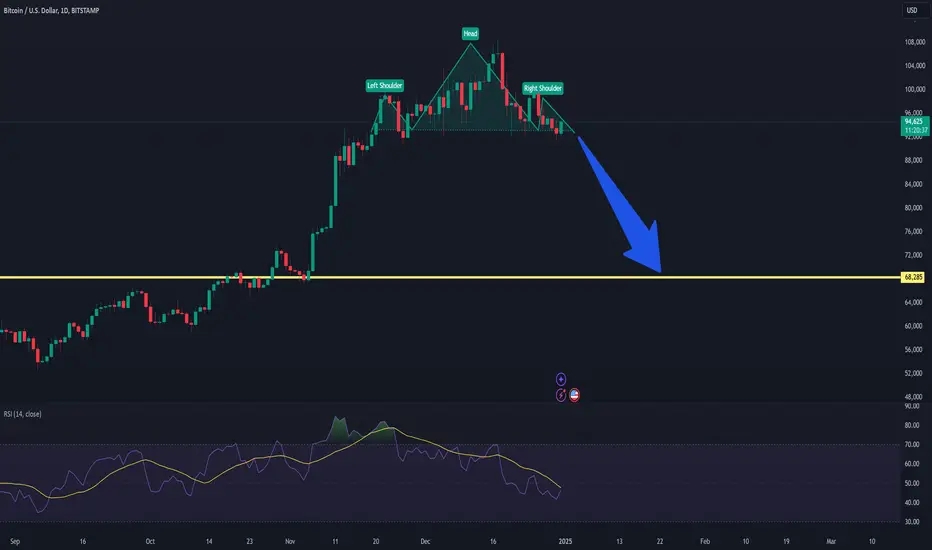
Category: Uncategorized

  • Why Neobanks Are a Game-Changer for Your Financial Future?

    Why Neobanks Are a Game-Changer for Your Financial Future?

    If you’re wondering what makes neobanks so special, you’re in the right place. Neobanks are transforming how we manage money, making it more convenient, faster, and accessible. As fully digital banks, neobanks operate without physical branches. This allows them to focus entirely on offering seamless digital banking experiences. They stand apart from traditional banks by catering to the needs of modern consumers—people who value efficiency and real-time services.

    Neobanks have not only redefined banking but have also set new standards for financial inclusion. They use advanced technology like AI in banking to enhance services, from quick account setup to instant payments. Let’s explore how neobanks are reshaping your financial future.

    The Rise of Neobanks: A Digital Banking Revolution

    Neobanks are not just another digital banking trend; they represent a major shift in the financial sector. They offer services like quick account opening, lower fees, and 24/7 access—all from your smartphone. Traditional banks often fall short when it comes to digital innovation. Their legacy systems can’t keep up with the pace of change. Neobanks, however, are built from the ground up to be digital-first.

    Example: Chime in the US

    Take Chime, a popular neobank in the US. It allows users to set up accounts in minutes and receive direct deposits up to two days early. This convenience has made Chime a go-to for consumers seeking a seamless banking experience. Traditional banks still require a trip to a branch for services like account setup and identity verification. This makes them less appealing to tech-savvy consumers who want instant results.

    The Importance of Financial Inclusion

    Neobanks have also made financial inclusion a priority. They offer no-fee accounts and low minimum deposit requirements. This is crucial for underbanked populations who find traditional banks too expensive or complicated. For example, Brazil’s Nubank has over 60 million users, many of whom had no prior access to banking services.

    How Neobanks Excel at Digital Banking Innovation

    Neobanks excel at using digital banking technology to deliver personalized experiences. This is one of the reasons they’ve grown so rapidly. AI in banking plays a significant role here, helping neobanks analyze customer data in real-time. This allows them to offer tailored financial advice, manage risk, and even prevent fraud more effectively than traditional banks.

    Example: N26 in Europe

    Germany’s N26 uses AI-driven algorithms to provide spending insights directly to users’ smartphones. This helps customers understand their spending patterns and make smarter financial decisions. Traditional banks often struggle with this level of personalization, as their systems aren’t built for rapid data analysis.

    Neobanks’ focus on real-time service is another game-changer. From instant money transfers to real-time balance updates, these banks ensure you’re always in control of your finances. This is especially appealing in today’s fast-paced world, where waiting for transactions to clear is no longer acceptable.

    Bridging the Financial Inclusion Gap

    By offering digital services without physical branches, neobanks make banking accessible to remote areas. This reduces barriers for those in underserved communities, promoting greater financial inclusion. In India, for example, neobanks are partnering with local companies to reach rural populations, offering micro-loans and no-fee accounts.

    Why Consumers Love Neobanks?

    Neobanks’ customer-centric approach sets them apart from traditional banks. They prioritize user experience by offering features like seamless account management, real-time notifications, and AI-driven insights. These features not only enhance customer satisfaction but also make digital banking more intuitive.

    Example: Revolut’s All-in-One App

    UK-based Revolut offers an all-in-one app for banking, budgeting, and even investing. Users can manage multiple currencies, set spending limits, and get instant alerts—all within the app. This kind of convenience is what makes neobanks appealing to users who demand flexibility.

    AI in Banking: Enhancing the User Experience

    AI in banking has transformed how neobanks interact with customers. Chatbots, for example, provide instant customer service, answering questions and resolving issues 24/7. This eliminates the need to wait on hold or visit a branch. Additionally, AI helps neobanks offer personalized financial advice based on users’ spending habits and goals.

    Improving Financial Inclusion through Digital Innovation

    Neobanks also use technology to improve financial inclusion. For instance, they offer features like multilingual customer service and simplified app interfaces. This makes banking accessible to people of various backgrounds, including those with limited tech skills.

    Challenges Neobanks Face: Profitability and Regulations

    While neobanks offer many advantages, they face challenges too. Achieving profitability is one of the biggest hurdles. Most neobanks rely on venture capital funding to sustain their operations. As they scale, they need to develop sustainable revenue models. Some have introduced premium services or subscription models to generate steady income.

    Example: Revolut’s Premium Accounts

    Revolut offers paid accounts with features like lower foreign exchange fees, travel insurance, and early salary deposits. This model aims to drive revenue while still maintaining a free user base.

    Regulatory Compliance

    Regulatory compliance is another significant challenge for neobanks. Unlike traditional banks, these banks must navigate evolving regulations while maintaining data security. They need to comply with anti-money laundering (AML) laws, know-your-customer (KYC) requirements, and data privacy regulations.

    To address this, some neobanks have partnered with traditional banks or obtained banking licenses to enhance credibility and meet compliance standards.

    Neobanks vs Traditional Banks: A Competitive Landscape

    Neobanks have undoubtedly changed the competitive dynamics in the banking industry. Traditional banks now face pressure to innovate and adopt digital banking technologies. Some traditional banks are even developing their own digital-only branches to compete with them. However, their legacy infrastructure often slows down innovation.

    Collaboration Opportunities

    Despite the competition, there are opportunities for collaboration. Traditional banks have strong regulatory knowledge, while neobanks excel at user experience and technology. By working together, they can provide better services and reach more customers.

    Example: Goldman Sachs & Starling Bank

    Goldman Sachs partnered with the UK’s Starling Bank to offer savings accounts, blending traditional expertise with neobank innovation. This type of collaboration can help both traditional banks and neobanks expand their offerings.

    Financial Inclusion Efforts by Traditional Banks

    Traditional banks have also increased efforts to improve financial inclusion. They’ve introduced digital tools and simplified account-opening processes. However, they still struggle with the flexibility and speed that define neobanks.

    The Future of Neobanks: What to Expect?

    As technology evolves, neobanks will continue to innovate. The adoption of blockchain, AI in banking, and open banking will shape their growth. Blockchain can improve transaction transparency and security. AI will offer more personalized financial advice, while open banking will integrate various financial services.

    Example: Blockchain in Neobanks

    Some of them are already exploring blockchain for secure cross-border transactions. By reducing transaction times and costs, blockchain can enhance global financial inclusion.

    Open Banking: Expanding Services

    Open banking enables neobanks to offer integrated financial services, allowing users to manage accounts from multiple banks in one app. This makes it easier for consumers to track spending, set budgets, and achieve financial goals.

    Adapting to the Neobank Trend: What You Can Do?

    Both consumers and traditional banks can benefit from the neobank trend. As a consumer, you should explore the features neobanks offer. For example, use AI-driven insights to understand spending patterns or try real-time money transfers.

    Tips for Traditional Banks

    Traditional banks should embrace digital transformation by adopting new technologies and collaborating with fintechs. This will help them stay competitive and cater to the digital-first customer base.

    Financial Inclusion for All

    Neobanks are leading the way in making financial services accessible to everyone. By supporting digital banking innovations, traditional banks can contribute to greater financial inclusion, bridging the gap between tech-savvy users and underserved populations.

    Conclusion: Embrace the Neobank Revolution

    Neobanks are not just another banking option—they are the future of finance. They offer faster, more personalized, and inclusive financial services. While challenges like regulation and profitability persist, It’s impact on digital banking and financial inclusion is undeniable. The collaboration between neobanks and traditional banks could create a more integrated, efficient, and accessible financial ecosystem.

    So, whether you’re a tech enthusiast or simply looking for better banking, it’s time to explore what neobanks have to offer. After all, your financial future could be just a tap away.

    Click here to read our latest article AI in Finance

  • Why Finland is the Happiest Country: The Power of Equality

    Why Finland is the Happiest Country: The Power of Equality

    When it comes to happiness, Finland consistently ranks at the top. For six consecutive years, it has claimed the title of the happiest country on earth. But what exactly makes Finland so happy? It’s not the weather, nor is it vast wealth. Instead, Finland’s happiness can be largely attributed to its strong sense of equality. From reducing income inequality to promoting social support, Finland has built a society that values fairness. These factors, along with an excellent public healthcare system and equitable schools, create an environment where happiness thrives.

    In this article, we’ll explore why Finland’s focus on equality is so effective. We’ll dive into the core aspects that shape Finland’s happiness, including how income inequality, social support, and equitable schools play a pivotal role in creating a happier society.

    How Income Inequality Shapes Finland’s Happiness

    One of the key reasons Finland ranks so highly in happiness surveys is its approach to income inequality. In Finland, the income gap between the highest earners and the lowest is relatively small compared to many other nations. In fact, the top 10% in Finland only take home a third of all income. That may seem like a lot, but it pales in comparison to countries like the United States, where the wealthiest 10% take nearly half of the national income.

    This reduction in income inequality has a profound effect on overall happiness. Why? Because when wealth is more evenly distributed, it ensures that more people have access to resources. In Finland, people can afford their basic needs without the constant stress of financial insecurity. This equal distribution creates an atmosphere of trust and fairness. When people feel that they live in a fair society, they’re more likely to feel satisfied with their lives.

    The Role of Social Support in Finland’s Happiness

    Another major factor in Finland’s happiness is its strong emphasis on social support. Finland’s society is built around the idea that everyone should be able to rely on each other in times of need. Whether it’s financial aid, healthcare, or emotional support, the social structure ensures that no one is left behind. The government plays a significant role in this, ensuring that people have access to the help they need, from child support to unemployment benefits.

    This social safety net is crucial. It gives individuals confidence, knowing that they can turn to their government and community during tough times. Additionally, social support fosters strong relationships among citizens. When people feel connected to their community, they experience a sense of belonging. This sense of belonging is vital for emotional well-being.

    The Importance of Equitable Schools in Finland

    Education is another cornerstone of happiness in Finland. The country boasts a highly equitable education system that ensures every child has access to quality schooling, regardless of their background. Unlike many countries, Finland prioritizes equitable schools over elite institutions. The focus is on providing a high standard of education to everyone.

    This emphasis on equitable schools reduces competition among students. Instead of vying for top spots in prestigious institutions, Finnish children are encouraged to collaborate and support one another. This collaborative spirit contributes to a more positive school experience, which in turn enhances overall happiness. Moreover, parents can trust that their children will receive a good education without the burden of exorbitant tuition fees.

    The Impact of Finland’s Public Healthcare System

    Finland’s public healthcare system is a significant contributor to its overall happiness. Unlike many countries that rely heavily on private healthcare, Finland offers a largely publicly funded system. This approach allows everyone access to necessary medical services without financial strain.

    When citizens know they can receive medical care without the fear of crippling bills, they experience greater peace of mind. This accessibility promotes a healthier population, both physically and mentally. Consequently, people are happier when they can focus on their lives without the worry of health-related expenses.

    Furthermore, the efficiency of Finland’s healthcare system is notable. Long wait times for treatment are rare, even during challenging times, like the recent pandemic. This responsiveness is a testament to the country’s commitment to public welfare. When people have timely access to healthcare, it enhances their overall quality of life.

    Trust and Transparency in Governance

    Trust in government is another pillar of Finland’s happiness. The Finnish government operates with a high degree of transparency, which fosters trust among its citizens. People feel confident that their leaders act in the best interest of the public. This trust is crucial, as it allows citizens to engage in their community without fear of corruption or mismanagement.

    Additionally, the absence of widespread corruption contributes to a sense of security. Citizens know that their voices matter and that they can influence policies that affect their lives. This engagement leads to higher levels of satisfaction and a deeper connection to their country.

    The Cultural Aspect of Happiness in Finland

    Cultural factors also play a role in Finland’s happiness. Finnish society emphasizes a balanced lifestyle, where work and leisure coexist harmoniously. People prioritize spending time with family and friends, enjoying nature, and engaging in recreational activities. This cultural focus on well-being encourages individuals to pursue happiness in everyday life.

    Moreover, Finnish people often exhibit a modest and down-to-earth attitude. They appreciate the little things, which contributes to their overall contentment. This mindset, combined with the country’s equitable systems, allows individuals to enjoy life without the constant pressure to achieve more.

    The Connection Between Happiness and Freedom

    Freedom is another significant factor that underlies Finland’s happiness. Citizens in Finland enjoy a high degree of personal freedom, which fosters a sense of autonomy. This freedom allows people to make choices that align with their values and aspirations. When individuals have the power to shape their own lives, they are more likely to feel fulfilled.

    Additionally, the social environment in Finland promotes freedom from fear. People feel safe in their communities, which enhances their overall well-being. When individuals can live their lives without the threat of violence or discrimination, they are happier. This sense of safety is a key aspect of Finland’s success as the happiest country.

    How Other Countries Can Learn from Finland?

    Finland’s approach to happiness offers valuable lessons for other countries. To create a happier society, nations should prioritize reducing income inequality and promoting social support. Implementing equitable schools and a robust public healthcare system can make a significant difference.

    Moreover, fostering trust in government and transparency can enhance citizen engagement. Countries should also consider the cultural aspects that contribute to happiness. Encouraging a balanced lifestyle and valuing modesty can create a more content population.

    Conclusion: The Path to Happiness Through Equality

    In conclusion, Finland’s status as the happiest country stems from its unwavering commitment to equality. By addressing income inequality, providing social support, and ensuring equitable schools, Finland has created an environment where happiness can thrive. The public healthcare system further enhances this happiness by promoting physical and mental well-being.

    The trust and transparency in governance, combined with a culture that values balance and freedom, complete the picture. Other countries can learn from Finland’s example and strive to implement similar measures. Ultimately, the power of equality is a path to happiness that can transform lives. As we look to the future, let us take inspiration from Finland and work toward a world where happiness is within everyone’s reach.

    Click here to read our latest article Proven RSI Trading Strategies for Consistent Success

  • Essential Insights: The AUD/USD Dilemma Amid Rising Uncertainty & GBP/USD Faces Downward Pressure of Tumbling Below the 1.2000 Barrier

    Decoding the AUD/USD Dilemma: How Hawkish RBA Messages and Global Tensions Weigh In

    In the vast expanse of the global forex market, the AUD/USD Dilemma has unfurled as a standout subplot. As currencies continually adjust to the ceaseless ebb and flow of geopolitical scenarios and pivotal central bank verdicts, it’s paramount for stakeholders to decode the enigma of the AUD/USD trajectory.

    A Fundamental Backdrop

    The Australian dollar, emblematic of the economic vitality of the Land Down Under, has experienced a volatile phase. This fluctuation is attributable to a confluence of domestic determinants and global influences. Notably, the currency saw some bullish moments, riding on favorable domestic indicators such as the low unemployment statistics. The optimism from these metrics was further accentuated by the hawkish tones emanating from the Reserve Bank of Australia (RBA) meetings and official communiqués.

    AUD/USD Dilemma
    AUD/USD ECONOMIC CALENDAR
    Source: dfx

    Yet, lurking in this ostensibly rosy picture is the formidable challenge of inflation. There’s a burgeoning sentiment among market watchers that measures to dampen inflationary impulses have lacked the requisite rigor and urgency. The much-anticipated Australian inflation data, should it veer towards the lower spectrum, could be the linchpin that steers the narrative around the AUD/USD Dilemma, potentially shedding light on the RBA’s forthcoming strategic stance.

    The US Data and the Middle East Context

    While Australia’s fiscal contours remain integral to this story, the fiscal health and geopolitical strategies of the U.S. play an undeniable role in the unfolding of the AUD/USD dynamics. The US’s consistent robust economic output threatens to further amplify the USD’s strength vis-à-vis the AUD, adding yet another layer to the intricate AUD/USD conundrum.

    Moreover, the intricate geopolitics of the Middle East, with its perpetual state of flux, is also casting its long shadow on this currency pair. The prevailing ‘risk-averse’ sentiment, fueled by Middle Eastern complexities, has been a significant tailwind for the USD. If these regional tensions continue to simmer or even escalate, the implications for the AUD/USD axis could be profound.

    Diving into Technical Analysis

    Warren Venketas’ detailed technical exposition on TradingView of the AUD/USD weekly trajectory offers compelling insights. The evident blue-highlighted long upper wick weekly candle appears to be signaling an impending bearish stance, should the current trends persist.

    AUD/USD Dilemma
    AUD/USD WEEKLY CHART
    Source: DFX

    The more granular daily charts also weave an interesting tale. With the downward-leaning trendline resistance coming into focus, there’s a palpable pressure around the October support zones. The persistent nudging against these support parameters might be a precursor to a more significant shift. The mirror-image reflection of the November 2022’s low at 0.6272, reminiscent of a descending triangle, further augments the bearish prognosis. The RSI’s current stance, hovering below the neutral midpoint, corroborates this perspective.

    AUD/USD Dilemma
    AUD/USD DAILY CHART
    Source: DFX

    Key Resistance and Support Levels

    A nuanced understanding of the resistance and support markers is a sine qua non for those navigating the AUD/USD maze. Noteworthy resistance landmarks include 0.6500, 0.6459, the illustrative 50-day moving average juxtaposed with the trendline resistance, and the 0.6358 point. Conversely, the pivotal support thresholds are delineated at 0.6272 and 0.6170. Mastery over these metrics will be indispensable for stakeholders engaged with this currency dyad.

    IG Client Sentiment Data

    Incorporating sentiment data into the analysis, the IG Client Sentiment (IGCS) offers a perspective that’s often at odds with market trends. As of now, IGCS highlights that a staggering 84% of retail traders are net LONG on AUD/USD. This data might seem counterintuitive given the underlying market dynamics, but it underscores the unpredictability of the forex market and the multifaceted nature of the AUD/USD Dilemma.

    Exploring Factors as GBP/USD Faces Downward Pressure: Key Technical and Geopolitical Insights Ahead.

    The recent events in the foreign exchange market present a scene of dynamic movements and unpredictable patterns. Particularly, the GBP/USD Faces Downward Pressure, teetering on the brink of a potential freefall. As traders and investors worldwide navigate these turbulent waters, understanding the underlying reasons behind this looming downtrend becomes crucial.

    GBP/USD Faces Downward Pressure: The Fundamental Backdrop

    At the core of the GBP/USD dilemma is a mix of both domestic and international factors. The British Pound (GBP), traditionally seen as a reflection of the UK’s economic and political health, has recently struggled to find a firm footing. Despite labor data showing some positivity, comments from the Bank of England Governor and policymakers suggest a diminishing likelihood of any rate hikes in 2023. This sentiment has become a significant drag on the GBP, further amplifying the GBP/USD Faces Downward Pressure narrative.

    AUD/USD Dilemma
    DOLLAR INDEX (DXY) DAILY CHART
    Source: DFX

    Simultaneously, the US dollar’s robust performance, backed by a bullish rally in the Dollar Index (DXY) and underlined by a rise in US Yields, has overshadowed the GBP. With the question lingering – “how high can the DXY go?” – the GBP’s potential vulnerability becomes more pronounced.

    US Influences and Geopolitical Undercurrents

    As the GBP/USD Faces Downward Pressure, understanding the US’s influence is paramount. The DXY is an instrumental indicator, especially as it doesn’t currently show signs of sustained selling pressure. A combination of the trajectory of US Yields and geopolitical tensions ensures the DXY remains a potent force in the forex world. This strength suggests that short-term USD buying opportunities might arise during dips, as risk sentiment alternates between risk-on and risk-off modes.

    Adding another layer of complexity is the upcoming US Q3 GDP data. Expectations are soaring with the US economy anticipated to exhibit a growth of 4.3% for the quarter, a considerable leap from the 2.1% in Q2. However, despite these optimistic projections, even a surpassing of these expectations might not be adequate for a sustained break above resistance in the DXY. With the upcoming Federal Reserve meeting and the overall market mood, traders and market participants tread cautiously, further highlighting why GBP/USD Faces Downward Pressure.

    Technical Landscape and GBP’s Dilemma

    On the technical front, GBP/USD is revisiting its recent lows, approaching a pivotal support area. Should this area succumb, the GBP could be thrust towards the daunting 1.2000 psychological mark. The gravity of breaking this level is profound. Not only would it herald a significant bearish trend, but it would also be indicative of the broader GBP/USD Faces Downward Pressure narrative coming to fruition.

    Recent technical markers like the trendline rejection and the marubozu candle close foreshadow further bearish momentum for the GBP. However, some temporary USD weakness during the European session has momentarily halted this slide. Yet, a daily candle close below the 1.2080 mark might remain elusive. The impending Central Bank meetings could see the GBP/USD oscillating between the 1.2080 and 1.2280 markers.

    Other Noteworthy Influences

    Amidst all this, we mustn’t overlook the US dollar’s safe-haven appeal, which can amplify if geopolitical tensions escalate. This appeal could further strain the GBP, particularly as there’s no significant data in its favor for the remainder of the week. With no immediate rescue for the GBP, the GBP/USD Faces Downward Pressure narrative appears more compelling.

    Key Levels To Monitor

    For those keenly observing this forex pair, several levels warrant close attention. On the support side, 1.2080, 1.2030, 1.2000 (a critical psychological level), and 1.1850 are the ones to watch. As for resistance, the primary zones are 1.2182, 1.2312, and 1.2399.

    AUD/USD Dilemma
    GBP/USD DAILY CHART, OCT 25th
    Source: DFX

    Conclusion

    In the intricate maze of the global forex landscape, the AUD/USD dilemma and the pressures on GBP/USD stand out as emblematic of the challenges and opportunities inherent in such volatile markets. Woven into this are multifarious variables: from the RBA’s assertive stances and impending Australian inflation data to the UK’s economic nuances and the US’s fiscal pulse, all set against the backdrop of broader geopolitical tensions.

    As the market teeters on the brink of pivotal data releases and geopolitical shifts, traders and investors must remain both informed and agile. The evolving narratives of AUD/USD and GBP/USD serve as testament to the fluidity of the financial world, urging stakeholders to recalibrate, strategize, and leverage their moves carefully in this ever-evolving dance of currencies.

    Click here to read our latest article on Bitcoin ETF Speculation Ignites 17 month high

  • Understanding The Impact of The Dynamic Influence of the South African Reserve Bank on Economic Prosperity

    In the dynamic economic landscape of South Africa, one entity stands as a linchpin, exerting a profound influence on the nation’s economic trajectory—the South African Reserve Bank (SARB). Established on June 30, 1921, the SARB is the oldest central bank in Africa, playing a pivotal role in shaping the economic framework of the country. In this comprehensive exploration, we delve into the intricate facets of the South African Reserve Bank, unraveling its historical roots, unique shareholder structure, policy decisions, and the far-reaching impact it wields on economic prosperity, especially concerning the South African Rand (ZAR) and the repo rate.

    The Birth of the South African Reserve Bank (SARB)

    The roots of economic stability in South Africa intertwine with the compelling narrative of the South African Reserve Bank (SARB). In the aftermath of the economic tumult following World War I, a need arose for a stabilizing force, an independent monetary authority that could navigate the currency fluctuations that characterized the post-war landscape. This need gave birth to the SARB on June 30, 1921, with a distinctive mandate—to be the cornerstone of stability for the nation’s currency.

    The economic aftermath of World War I created a landscape fraught with currency uncertainties. South Africa, like many nations, faced the challenge of stabilizing its currency amidst the fluctuating tides of post-war reconstruction. The establishment of the SARB was a strategic response to this challenge, a commitment to providing a robust and independent monetary framework that could weather the storms of economic uncertainty.

    During its formative years, the SARB operated as a privately-owned institution, a period marked by its initial steps into the complex realm of monetary policy and economic stability. However, recognizing the evolving needs of the nation and the role of the SARB in shaping the economic trajectory, a transformative phase unfolded in 1945. The decision to nationalize the SARB marked a significant turning point, bringing the institution directly under the control of the South African government.

    This transition was more than a bureaucratic realignment; it represented the maturation of the SARB into a crucial pillar of economic governance. The nationalization underscored the government’s recognition of the pivotal role the SARB played in safeguarding the nation’s financial interests and maintaining stability in the face of economic challenges.

    South African Reserve Bank

    Being the oldest central bank on the African continent, the SARB stands as a testament to resilience and adaptability. It weathered the storms of the Great Depression, navigated the challenges posed by World War II, and played a critical role in the complex socio-economic landscape of the apartheid era. The transition to a democratic government marked another chapter in its storied history, a period where the SARB continued to evolve and adapt to the changing needs of the nation.

    The resilience of the SARB is not merely a historical footnote; it is a living legacy that continues to shape South Africa’s economic present and future. As an institution that has thrived amidst dynamic economic challenges, the SARB stands as a beacon of stability, a testament to the foresight of its founders and the adaptability that has defined its journey through the annals of time.

    Shareholders of the South African Reserve Bank (SARB)

    In the realm of central banking, the South African Reserve Bank (SARB) charts its own course with a distinctive shareholding structure that sets it apart from conventional counterparts. Unlike the typical central bank model, the SARB stands as a publicly owned entity, boasting a diverse shareholder base comprising over 650 individuals and entities. However, the true essence of its uniqueness lies not merely in the number of shareholders but in the carefully crafted limitations that define their rights, ensuring a delicate equilibrium between public and private interests.

    The SARB’s shareholding structure is a testament to the commitment to maintain the bank’s independence, a core principle that shapes its decision-making processes and policy formulations. Strict legal constraints serve as the guardians of this independence, preventing shareholders from wielding undue influence over the critical policy decisions that steer the nation’s economic course.

    One distinctive limitation imposed on shareholders is the cap on individual ownership. No shareholder or associated group is permitted to own more than 10,000 shares individually. This restriction, while seemingly numerical, serves as a safeguard against concentrated influence. By preventing any single entity from amassing a disproportionate share of ownership, the SARB ensures that no individual or group can sway the bank’s agenda in a manner contrary to the broader interests of the nation.

    Another pivotal restriction is imposed on non-resident shareholders and their associates, who face a cap on holding more than 40% of the total issued shares. This geographical limitation is strategic, aligning with the broader goal of maintaining the SARB’s autonomy in the face of global economic forces. By preventing excessive foreign influence, the SARB secures its role as a guardian of South Africa’s economic interests, ensuring that decisions are made with a keen understanding of the nation’s unique economic dynamics.

    These limitations on shareholder rights are not mere regulatory hurdles; they are the pillars that support the SARB’s commitment to independence and neutrality. They ensure that the interests of the broader public and the nation’s economic stability take precedence over individual or concentrated interests. The delicate balance between public and private interests, as orchestrated by the SARB’s shareholding structure, becomes a critical element in preserving the integrity and effectiveness of this venerable institution.

    In essence, the SARB’s shareholders play a role that extends beyond mere ownership—they become stewards of an institution entrusted with the economic well-being of a nation. The shareholding structure becomes a tapestry woven with the threads of accountability, ensuring that the SARB remains true to its mandate, free from the undue influence that might compromise its ability to act in the best interests of South Africa and its citizens.

    The Mandate of the South African Reserve Bank (SARB)

    At the very core of South Africa’s economic governance lies the South African Reserve Bank (SARB), an institution whose mandate is not a mere bureaucratic formality but a constitutional commitment enshrined in the fabric of the Republic. Embedded within the Constitution of the Republic of South Africa, Section 224(1) serves as the lodestar, succinctly outlining the SARB’s primary objective—to “protect the value of the currency in the interest of balanced and sustainable economic growth.” This seemingly straightforward mission statement unfurls a tapestry of responsibilities that position the SARB as a linchpin in the nation’s economic machinery.

    The overarching goal of protecting the value of the currency translates into a multi-faceted role that extends far beyond the traditional confines of a central bank. At the heart of this mandate is the commitment to maintain price stability, achieved through the careful orchestration of monetary policy. The SARB’s decisions regarding interest rates, money supply, and other monetary instruments are all calibrated with the singular aim of fostering an environment conducive to balanced and sustainable economic growth.

    However, the SARB’s responsibilities extend beyond the realm of monetary policy. It assumes the role of a guardian overseeing the stability of the South African financial system—an imperative task in an era marked by the complexities of global finance. As the issuer of banknotes and coins, the SARB literally puts the nation’s currency into circulation, a tangible expression of its commitment to ensuring the reliability and integrity of the monetary system.

    The symbiotic relationship between the SARB and the government takes form in the role of the central bank as the official banker for the government. This strategic alliance goes beyond the routine handling of financial transactions; it underscores the interdependence between economic policy formulation and its execution. By providing banking services for commercial banks, the SARB becomes not just a regulator but an active participant in the intricate dance of the financial sector.

    A critical facet of the SARB’s mandate is the management of the country’s gold and foreign exchange reserves. In an era of global interconnectedness, these reserves become strategic assets, serving as a buffer against economic shocks and providing the nation with the flexibility to navigate the dynamics of the international economic landscape.

    In essence, the mandate of the SARB is a symphony of responsibilities, each note contributing to the harmony of South Africa’s economic well-being. It is a commitment to not just preserve the value of the currency but to actively cultivate an environment where economic growth is not just a momentary surge but a sustained and balanced progression.

    As we delve into the intricacies of the SARB’s mandate, it becomes evident that its role transcends the conventional boundaries of a central bank. It emerges as a dynamic force, a key player in the economic narrative of South Africa, wielding its constitutional mandate with precision and foresight to navigate the complexities of the modern economic landscape.

    Dividends

    In the intricate financial ecosystem of the South African Reserve Bank (SARB), dividends play a distinctive role—a role deeply entwined with the institution’s overarching commitment to its constitutional mandate. Unlike conventional entities driven by profit motives, the SARB operates not as a profit-centric entity but as a custodian of economic stability. However, within this framework, a unique interplay unfolds, involving private shareholders and a carefully calibrated dividend structure.

    The SARB’s private shareholders, though not the primary drivers of the institution’s objectives, hold a stake in its operations. This stake entitles them to a share of the financial returns generated by the SARB, albeit within the bounds of a legally mandated cap. The dividend cap, a prudent financial constraint, is set at 10 cents per share per annum. This limitation serves a dual purpose—it ensures that private shareholders receive a return on their investment while preventing an undue accumulation of profits within the SARB’s financial structure.

    This distinctive dividend structure becomes a testament to the SARB’s commitment to its core objectives, delineated in the Constitution of the Republic of South Africa. The priority is not the amassing of wealth or the pursuit of profit for its own sake; rather, it is the protection of the value of the currency and the facilitation of balanced and sustainable economic growth. The dividend structure acts as a financial mechanism that aligns the interests of private shareholders with the broader economic objectives, creating a symbiotic relationship that resonates with the institution’s unique character.

    Crucially, the dividends paid to private shareholders are not an end in themselves. Beyond the capped return, any surplus profits generated by the SARB flow back to the South African government. This financial disposition underscores the institution’s role as a public entity, reinforcing its commitment to channel financial gains towards the broader welfare of the nation. It transforms the SARB’s financial activities into a conduit through which economic prosperity is not concentrated but diffused across the broader spectrum of societal needs.

    In essence, while the SARB’s dividend dynamics may echo the financial intricacies of profit-oriented entities, they do so with a distinct purpose. The financial returns, carefully calibrated and capped, serve as a mechanism that aligns private interests with public objectives, creating a financial symbiosis that echoes the institution’s commitment to economic stability and growth.

    As we unravel the layers of the SARB’s financial landscape, the dividend dynamics emerge not as a departure from its core principles but as a harmonious chord within the broader symphony of economic governance. They serve as a reminder that even in the financial realm, the SARB’s priorities are grounded in the pursuit of a balanced and prosperous economic future for South Africa.

    Impact of Policy Decisions on the South African Rand (ZAR)

    South African Reserve Bank
    SA INTEREST RATE VS. SA INFLATION
    Source: DFX

    In the intricate tapestry of South Africa’s economic landscape, the South African Reserve Bank (SARB) emerges as the maestro orchestrating the nuanced dynamics of the South African Rand (ZAR). At the heart of this orchestration are the pivotal policy decisions, with the repo rate standing as a fundamental instrument that wields a profound influence on the ebb and flow of the ZAR.

    The repo rate, a linchpin in the SARB’s monetary policy toolkit, serves as a lever that intricately connects with inflation, spending patterns, and, consequently, the trajectory of the ZAR. It is in the delicate dance of adjusting this rate that the SARB navigates the complexities of maintaining price stability while fostering economic growth.

    Picture a scenario where inflation surges beyond the SARB’s targeted range. In response, the SARB might opt for a strategic maneuver—raising the repo rate. This tactical decision, while curbing inflation by making borrowing more expensive and reducing spending, introduces a nuanced challenge. The allure of higher interest rates attracts foreign investors seeking enhanced returns, a factor that can sway the value of the ZAR.

    Conversely, a decision to lower the repo rate becomes a catalyst for stimulating economic growth. By reducing borrowing costs, this move encourages spending and investment. However, it’s a double-edged sword. The potential consequence of increased inflation and a weakened ZAR emerges as foreign investors, enticed by higher returns elsewhere, may redirect their capital.

    The intricate interplay of these policy decisions unveils the SARB’s delicate balancing act—maintaining a harmonious blend of price stability and safeguarding the ZAR’s value, all while fostering an environment of balanced and sustainable economic growth. The repo rate, as the focal point of this economic ballet, embodies the strategic considerations and trade-offs inherent in the SARB’s role.

    As we delve into the dynamics of SARB’s policy impact on the ZAR, it becomes evident that each decision is not just a financial adjustment but a strategic move with far-reaching consequences. The currency currents respond to the subtle shifts orchestrated by the SARB, and in this nuanced dance, the central bank navigates the ever-shifting landscape, striving to steer South Africa toward economic prosperity and stability.

    Monetary Policy Decisions, Economic Growth in South Africa

    In the intricate mosaic of South Africa’s economic canvas, the South African Reserve Bank (SARB) emerges not merely as a monetary authority but as a masterful conductor shaping the symphony of economic growth. At the heart of this orchestration are the subtle yet potent movements of the repo rate, the SARB’s strategic tool in navigating the confluence of monetary policy decisions and the trajectory of economic prosperity in South Africa.

    Delving deeper into the dynamics of these decisions unveils a symbiotic relationship between the SARB’s strategic choices and the broader economic landscape. As the SARB steers the repo rate, its influence reverberates through the corridors of consumer spending, business investment, and the overarching tapestry of economic activity.

    The repo rate, as a lever in the hands of the SARB, becomes a pivot point influencing the cost of borrowing and, by extension, the propensity for spending and investment. A nuanced understanding of this relationship is pivotal for those navigating the economic currents of South Africa. It goes beyond the realm of financial jargon; it is a narrative of how the SARB’s decisions ripple through the fabric of the nation’s economic growth.

    The central role of the SARB becomes a balancing act—one that transcends the immediate impact on inflation and the ZAR. It is a delicate equilibrium where each adjustment of the repo rate carries implications for the broader economic health of South Africa. For consumers, it may mean variations in interest rates on loans and mortgages. For businesses, it can influence the cost of capital and the decisions surrounding expansion or contraction.

    As we dissect this intricate relationship between monetary policy decisions and economic growth, it becomes evident that the SARB is not merely a spectator but an active participant in sculpting South Africa’s economic destiny. The repo rate, as the tool of choice, is not wielded in isolation; its impact cascades through the intricate network of economic activities, weaving a narrative that goes beyond the realms of interest rates.

    For those keen on deciphering the economic tapestry of South Africa, a nuanced understanding of the SARB’s role is indispensable. It is a narrative where monetary policy decisions are not just numbers on a chart but a dynamic force shaping the contours of economic growth. The repo rate, in the skilled hands of the SARB, becomes a brushstroke in the evolving portrait of South Africa’s economic prosperity, a portrait where each stroke contributes to the vibrant and resilient canvas of the nation’s economic story.

    Conclusion

    In conclusion, the South African Reserve Bank emerges as a cornerstone of economic stability and growth in South Africa. Its historical journey, unique shareholder structure, and impactful policy decisions make it a linchpin in the nation’s economic framework. Understanding the dynamic influence of the SARB on economic prosperity, especially concerning the South African Rand and the repo rate, is not just an academic pursuit but a strategic imperative for traders, investors, and anyone keen on comprehending the nuances of South Africa’s economic landscape. The SARB’s decisions reverberate beyond its boardrooms, shaping the narrative of a nation’s economic journey.

    Click here to read our latest article on Master the 4 Key Yield Curve Regimes

    FAQs

    1. What is the primary objective of the South African Reserve Bank (SARB)? The primary objective of the SARB, as outlined in Section 224(1) of the Constitution of the Republic of South Africa, is to “protect the value of the currency in the interest of balanced and sustainable economic growth.”
    2. How does the SARB maintain its independence while having shareholders? The SARB, despite having shareholders, maintains independence through strict legal constraints. Shareholders are limited in their rights, with no individual or group allowed to own more than 10,000 shares, and non-residents are restricted from holding more than 40% of the total issued shares.
    3. What historical events has the SARB weathered since its establishment in 1921? The SARB, as the oldest central bank in Africa, has weathered significant events, including the Great Depression, World War II, the apartheid era, and the transition to a democratic government in South Africa.
    4. How does the SARB contribute to economic growth in South Africa? The SARB contributes to economic growth through its monetary policy decisions, including managing the repo rate. By influencing borrowing costs, consumer spending, and business investment, the SARB plays a crucial role in shaping the economic landscape.
    5. What is the repo rate, and how does it impact the South African Rand (ZAR)? The repo rate is a fundamental tool used by the SARB to control inflation and stabilize the ZAR. Changes in the repo rate influence borrowing costs, spending patterns, and the overall trajectory of the ZAR.
    6. How are dividends handled in the SARB, considering it operates not for profit? While the SARB operates not for profit, its private shareholders are entitled to limited dividends, capped at 10 cents per share per annum. Profits beyond this amount are directed back to the South African government.
    7. What role do shareholders play in the SARB, and how is their influence regulated? Shareholders play a role in the SARB as owners, but their influence is regulated by legal limitations. They cannot exert power over the bank’s policy decisions, ensuring the SARB’s independence.
    8. How does the SARB balance the repo rate to foster economic growth while maintaining price stability? The SARB faces a delicate balancing act in its monetary policy decisions. It adjusts the repo rate to maintain price stability and protect the ZAR’s value while fostering balanced and sustainable economic growth.
    9. How does the SARB’s mandate align with the Constitution of the Republic of South Africa? The SARB’s mandate, outlined in the Constitution, aligns with the broader objective of protecting the value of the currency in the interest of balanced and sustainable economic growth.
    10. In what ways do the SARB’s policy decisions impact individuals and businesses in South Africa? The SARB’s policy decisions, particularly those related to the repo rate, impact individuals and businesses by influencing interest rates on loans, mortgages, and the cost of capital. It plays a pivotal role in shaping economic conditions for both consumers and businesses in South Africa.

    Click here to learn more about South African Reserve Bank

  • OPEC’s Unveils Surging Demand Forecast: Rising Oil Prices Skyrocket Amid Middle East Turmoil

    Rising oil prices dominate market attention, underpinned by geopolitics and OPEC’s fresh forecasts.

    In the labyrinth of global financial discourse, rising oil prices have emerged as the central thread. The world, already grappling with post-pandemic economic recovery, is now facing the tremors of an unstable energy sector. This volatility is not a simple consequence of supply and demand; it’s a product of an intricate web of factors, each playing its pivotal role in the grand scheme of things.

    For starters, OPEC’s revised demand forecast adds a new dimension to the narrative. Historically, OPEC has been a bellwether for the oil industry, guiding and sometimes dictating the tempo of the market. Their latest pronouncements suggest a future where the demand for oil will likely surpass previous estimates. This revised outlook can be attributed to several factors, such as recovering economies thirsting for fuel, industries ramping up operations, and emerging markets expanding their infrastructural footprint.

    Rising Oil Prices.
    Source: Refinitv

    However, it’s not just numbers and projections that sway the oil pendulum. The geopolitics of the Middle East, an area synonymous with vast oil reserves, adds layers of complexity to the situation. The region, historically fraught with conflicts, has seen heightened tensions, especially concerning the Israel-Palestine dynamics. These tensions can be disruptive, influencing not just local, but global oil supply chains. Any disturbance in the Middle East’s oil flow, whether due to political disagreements, sanctions, or open conflicts, reverberates across continents, impacting prices at every gas station and every household.

    Governments worldwide are on high alert. For importing nations, rising oil prices can mean ballooning import bills, potential trade imbalances, and added inflationary pressures. Exporting nations, while benefiting from higher revenues, also walk a tightrope. They must ensure stable supply chains and navigate the quagmire of international politics and trade relations.

    Rising Oil Prices

    Investors, too, are recalibrating their strategies. The energy sector, a cornerstone of many investment portfolios, is in flux. Shareholders are now tasked with decoding not only corporate earnings and industry trends but also the geopolitical developments and their potential ramifications on the oil sector.

    Lastly, one can’t ignore the end consumers, who often bear the brunt of these fluctuations. Rising oil prices trickle down to everyday lives, affecting everything from transportation costs to grocery bills. Households might find their budgets strained, and businesses, especially those heavily reliant on logistics, could see their operational costs surge.

    As oil prices continue their ascent, they unravel a multi-dimensional challenge. The intertwined threads of post-pandemic economic recovery, OPEC’s forecasts, and Middle East geopolitics are creating a tapestry that stakeholders across the globe are striving to understand and navigate. The path forward might be riddled with uncertainties, but it’s a journey that the world is undertaking collectively.

    The Surge in WTI/Oil Prices

    West Texas Intermediate (WTI), a prominent and influential benchmark for global oil pricing, has become a key indicator of the ripples caused by geopolitical tensions. As we transitioned from one week to the next, WTI saw a notable shift, moving from a close of $82.74 a barrel to a reopening at approximately $85.00. This change wasn’t purely a consequence of natural market movements; it was heavily influenced by the escalating discord between Israel and Palestine.

    These geopolitical tensions between the two nations have resonated beyond their borders, spreading apprehension in international markets. Market stakeholders are particularly anxious about the potential of this localized conflict morphing into a larger crisis that could envelop the expansive Middle East region. Amplifying these concerns are lingering speculations around the role and involvement of Iran, a pivotal player in the region. Despite the rampant conjecture, key global leaders have remained tight-lipped, refraining from making official statements or declarations on Iran’s stance or actions.

    Rising Oil Prices
    WTI CRUDE OIL DAILY CHART
    Source: TradingView

    But geopolitics isn’t the sole driver of the oil market’s volatility. There are underlying economic and strategic considerations at play, too. Enter OPEC – the Organization of the Petroleum Exporting Countries. Their revised forecast for both medium and long-term oil demand has taken many by surprise. Previously, there were certain benchmarks and expectations set based on pre-pandemic data and trends. Still, OPEC’s new projections have upended these, suggesting a substantially heightened demand curve in the coming years.

    To put this into perspective, OPEC’s data indicates that a staggering $14 trillion in investments would be required to adequately cater to this burgeoning demand. Such a lofty figure not only underscores the importance of oil in the modern world but also reinforces its indispensability in the foreseeable future, regardless of the swift technological advancements in alternative energy sources.

    The Historical Lens: Oil Embargo 1973

    When observing the contemporary fluctuations in oil markets, the shadow of history often looms large. The 1973 oil embargo serves as a pivotal reference point in this context. Orchestrated primarily by Saudi Arabia, along with other influential members of the Organization of Arab Petroleum Exporting Countries (OAPEC), the embargo was less about oil and more a political maneuver.

    The primary grievance? Western nations’, especially the United States’, unwavering support for Israel amidst the Yom Kippur War. This embargo didn’t just result in a few days of oil scarcity; it ushered in an era of profound global energy market transformations.

    For current market stakeholders, the lessons of 1973 are not forgotten. The mere mention of an embargo evokes the specters of shortages, skyrocketing prices, and global economic disarray. With Saudi Arabia now at the negotiation table with Israel, the market is understandably skittish about any potential parallels with the past. Yet, most experts argue that drawing a direct comparison between then and now might be an oversimplification.

    Today’s geopolitical and diplomatic dynamics, especially the intricate dance between the U.S., Saudi Arabia, and Israel, stand distinct from those of the 1970s. The ongoing discussions surrounding the normalization of ties between Saudi Arabia and Israel, bolstered by the prospect of a defense agreement with the U.S., is a testament to the evolving landscape.

    Nevertheless, the situation in Iran provides another layer of complexity. Iran’s oil production has witnessed a noticeable upsurge over the past year. This surge effectively balances out the production cuts initiated by heavyweights like Russia and Saudi Arabia. But, with growing animosity and allegations against the current Iranian administration, whispers of tightened sanctions are becoming increasingly loud. As the West contemplates its next move, the global oil market remains on tenterhooks, anticipating the ripple effects of any major geopolitical decisions.

    Rising Oil Prices and the Global Economy

    The uptrend in oil prices is more than a mere headline for those immersed in economic charts and graphs; it’s a reality that strikes the core of everyday living for billions worldwide. Rising oil prices, seemingly a matter reserved for financial analysts and investors, have far-reaching implications that touch every household. The pivotal connection? The intricate and inescapable web of the global economy.

    Imagine your morning commute, the goods at your local supermarket, or the cost of heating your home during winter. Oil prices exert a profound influence on all these facets of daily life. An upward tick in the price of oil doesn’t just reflect at gas stations; it permeates various sectors. Transportation companies grappling with increased fuel costs might pass on the burden to consumers. Manufacturers dealing with pricier raw materials and operational expenses due to expensive oil might increase the price tags of their products. In essence, the ripples of oil price fluctuations can soon turn into waves that impact the global cost of living.

    Last week’s oil selloff, while greeted with a sigh of relief by Central Banks and ordinary consumers alike, was short-lived. As oil prices once again flirt with figures above the $86 a barrel threshold, the ghosts of inflation — which seemed dormant — might reawaken. The undercurrents of rising costs could challenge household budgets and force financial policymakers to rethink strategies.

    The present surge in oil prices isn’t just a tale of supply and demand dynamics; it’s deeply intertwined with global geopolitics. The Israel-Palestine conflict stands front and center in this scenario. As tensions escalate, the consequent geopolitical chess game has the potential to redraw the landscape of Middle East alliances. Such realignments, in turn, hold the power to reshape global oil supply routes and dynamics. In such a delicate balance, the price of oil becomes not just an economic indicator but a barometer of global stability.

    Technical Outlook and Market Projections

    In the world of trading, a mix of news-driven dynamics and technical patterns often determine the course of commodity prices. Lately, the technical landscape of oil prices, especially for benchmarks like WTI and Brent, provides insightful clues about their near-term trajectories.

    Diving into the charts, it’s evident that WTI and Brent showcased bullish tendencies as they opened higher in recent overnight sessions. Such positive openings can often be indicative of strong underlying sentiment. Yet, every rally, no matter how strong, is occasionally tested by periods of consolidation or retracement. This was observed in the slight market retreat during the subsequent U.S. trading session. Drawing from historical data, one can postulate that a substantial upward gap in oil prices – akin to what we’ve seen recently – could imply a cooling-off period. The market might undergo a phase of consolidation or even minor correction before resuming its dominant trend, potentially spanning close to 20 days based on past behaviors.

    Rising Oil Prices
    BRENT OIL DAILY CHART – 9TH OCTOBER
    Source: Tradingview

    Now, turning our gaze to Brent Crude – it’s fascinating to observe its dance in tandem with WTI. They often echo each other’s sentiments, albeit with minor deviations. Brent’s recent surge didn’t go unchallenged. It encountered a formidable barrier around the $88 price point, coinciding with its 50-day Moving Average (MA). This technical resistance can be a point of intrigue for chartists and traders, signifying a battleground between bulls and bears.

    For those who swear by technical analysis, keeping an eagle eye on specific price levels becomes paramount. In the current setup, a few levels stand out. On the downside, the support zones to watch out for are 81.25, 80.00, and more crucially, the 100-day Simple Moving Average (SMA) marked at 78.98. Flipping the script, if the bullish fervor continues, resistance zones at 87.00 and 88.30 will be keenly observed, with the 90.00 mark standing as a psychological barrier.

    In conclusion, while geopolitical events and macroeconomic data steer the broader narrative, the technical contours drawn on the charts offer traders a roadmap. In the intertwining world of fundamentals and technicals, understanding these levels and patterns is crucial for anticipating market moves.

    Conclusion

    Rising oil prices, amidst the backdrop of the OPEC’s upgraded demand forecast and the simmering Middle East tensions, present both challenges and opportunities. It serves as a reminder of the intricate interconnectedness of geopolitics, energy markets, and global economic health. As events unfold, a close eye on the OPEC’s moves, Middle East developments, and global market responses will be crucial in navigating the tides of the post-pandemic world.

    Click here to read our latest article on USD/JPY Faces Alarming Dip as Dollar Index Wavers

  • Reserve Bank of New Zealand: Unveiling its Economic Influence – A comprehensive guide

    At the heart of New Zealand’s economic stability stands the Reserve Bank of New Zealand (RBNZ), a formidable institution with a rich history and a pivotal role in shaping the nation’s economic landscape. Established in 1934, the RBNZ has evolved to become the guardian of price stability and a driver of sustainable economic growth. In this comprehensive guide, we delve into the intricate facets of the RBNZ, from its historical journey to the tools it wields, exploring its impact on the New Zealand economy.

    The Reserve Bank of New Zealand (RBNZ) takes center stage in the economic narrative of the Kiwi nation. As the central bank, its influence permeates through various sectors, guiding the course of economic prosperity. Established in 1934 amid the economic turmoil of the Great Depression, the RBNZ was tasked with ensuring financial stability and providing a mechanism for effective monetary policy. Over the years, its mandate has evolved, with a specific focus on maintaining price stability and fostering sustainable economic growth.

    Reserve Bank of New Zealand

    History of the Reserve Bank of New Zealand

    In the wake of the Great Depression’s economic upheaval, the Reserve Bank of New Zealand (RBNZ) emerged as a beacon of stability, poised to anchor the nation’s financial resilience. Established in 1934, the RBNZ was bestowed with a multifaceted mandate, embodying control over currency issuance, regulation of the banking system, and the pivotal setting of interest rates.

    The early years of the RBNZ saw it navigating through the tumultuous aftermath of the Great Depression, employing its broad mandate to stabilize the country’s economic foundations. As a guardian of financial stability, the bank played a pivotal role in regulating the issuance of currency, ensuring the robustness of the banking system, and wielding influence over interest rates.

    However, a transformative juncture awaited the RBNZ in 1989, marking a legislative evolution that would redefine its mission. The enactment of the Reserve Bank of New Zealand Act became the bedrock of this metamorphosis, crystallizing a commitment to a more focused and targeted approach to monetary policy. This legislative refinement pivoted the bank’s mandate, elevating the importance of price stability to the forefront of its objectives.

    This pivotal turning point in 1989 represented more than a mere legislative adjustment; it signified a strategic commitment to navigating the economic landscape with precision. By prioritizing price stability, the RBNZ embraced a role as a proactive architect of economic equilibrium, steering the nation through the intricacies of monetary policy with a refined and targeted vision.

    The evolution of the RBNZ’s mandate encapsulates not just a historical timeline but a saga of adaptation and commitment to the economic well-being of New Zealand. From the broad responsibilities of its inception to the refined focus on price stability, the bank’s history is a testament to its resilience and capacity to evolve in tandem with the ever-changing economic currents.

    Current Shareholders

    In the intricate tapestry of financial governance, the Reserve Bank of New Zealand (RBNZ) unfolds as a unique narrative of ownership, where the standard conventions give way to a distinctive paradigm. At its core, the RBNZ stands not as a detached financial entity but as a bastion of stability, intricately linked to the fate of New Zealand’s economic landscape.

    This distinctive paradigm finds its expression in the ownership structure, a structure that distinguishes the RBNZ from conventional financial institutions. Here, the New Zealand government assumes the role of the sole shareholder, with the Minister of Finance standing as the custodian of this singular bond. Far from a ceremonial role, this ownership model intertwines the destinies of the RBNZ and the nation, creating a bond that transcends the transactional nature of traditional shareholder relationships.

    Yet, this unique ownership structure is not a mere symbolic gesture; it is a strategic alignment of objectives. It is a conscious choice to anchor the RBNZ’s fate with the broader national interest. The tethering of the RBNZ to the government serves as a tangible commitment to its mandate, emphasizing the prioritization of the nation’s economic well-being over the pursuit of private profits.

    This commitment is further underscored by the symbiotic financial relationship established through this ownership model. Any profits generated by the RBNZ become a national asset, a contribution to the state’s financial health. This financial interdependence is a reflection of a profound commitment—a commitment to public service, economic resilience, and the well-being of every New Zealander.

    In an era where financial institutions often grapple with the tension between private profit motives and public responsibilities, the RBNZ stands as a unique entity. Its destiny is intricately woven with the economic prosperity of New Zealand, and its ownership model becomes a beacon of stability, signaling a resolute dedication to the nation’s financial well-being.

    Appointment of the Board and Governor

    Within the hallowed halls of the Reserve Bank of New Zealand (RBNZ), the resonance of effective governance reverberates, finding its crescendo in the meticulously appointed ensemble known as the board of directors. A cornerstone of the RBNZ’s modus operandi, this assembly of directors, carefully curated by the discerning eye of the Minister of Finance, forms the bedrock of oversight—a collective entrusted with the pivotal task of guiding the RBNZ in unwavering alignment with its mandated objectives.

    At the epicenter of this governance symphony stands the Governor of the Reserve Bank, a figurehead of profound significance in the economic narrative of New Zealand. Endowed with the responsibility of shepherding the institution through the intricate landscape of monetary policy, this seasoned professional assumes a role of unparalleled importance. With a tenure of five years, coupled with the prospect of reappointment, the Governor becomes the maestro directing the harmonious orchestration of the RBNZ’s operations, from the implementation of monetary policy to the minutiae of day-to-day functions.

    The governance paradigm of the RBNZ is not a mere bureaucratic structure; it is a strategic ensemble, finely tuned to ensure the effective execution of the bank’s mandate. Each member of the board represents a distinct note in this orchestrated symphony, contributing to the harmonious pursuit of economic stability and growth outlined in the RBNZ’s mandate. Their collective expertise and oversight create a dynamic synergy, a governance ballet that unfolds with precision and purpose.

    As guardians of the economic well-being of New Zealand, the board and Governor form an alliance that transcends mere administrative roles. They become custodians of the nation’s financial resilience, stewards of a legacy that weaves governance excellence into the very fabric of the RBNZ’s existence. In the grand tapestry of economic orchestration, the appointment of the board and Governor emerges as a testament to the RBNZ’s commitment to not just meet but exceed the expectations bestowed upon it.

    Mandate and Tools for Execution

    Nestled within the constitutional fabric of New Zealand, the Reserve Bank of New Zealand (RBNZ) wields a mandate as clear as the Southern Hemisphere’s skies—maintain price stability and propel sustainable economic growth. This mandate, etched in the national narrative, is not a mere proclamation but a guiding principle that steers the RBNZ through the complex currents of economic governance.

    At the forefront of this strategic expedition is the Official Cash Rate (OCR), a nuanced instrument that assumes the role of the RBNZ’s conductor in the symphony of monetary policy. The OCR, akin to the beating heart of the nation’s financial landscape, dictates the interest rate banks pay on overnight loans from the Reserve Bank. Its influence transcends mere numbers on a chart; it becomes the pivot point shaping borrowing costs, influencing spending patterns, and orchestrating the delicate dance of inflation.

    Reserve Bank of New Zealand

    The RBNZ’s adept navigation of interest rate hikes unfolds as a saga of strategic prowess. A meticulous adjustment of the OCR becomes the captain’s wheel steering the economic ship through diverse cycles. It’s a balancing act where the imperative of fostering growth harmonizes with the steadfast commitment to stable prices. The historical tableau of interest rate hikes and their impact on inflation becomes a testament to the RBNZ’s role as not just an observer but a maestro orchestrating the nation’s economic trajectory. The lagging effect, influenced by external factors, adds layers of complexity to this economic symphony, creating a dynamic interplay of cause and effect.

    Yet, the RBNZ’s toolkit extends beyond the realm of interest rate adjustments. Enter the realm of open market operations—a strategic deployment influencing the money supply, sculpting the contours of interest rates, and guiding economic activity. The regulatory tools wielded by the RBNZ, from setting capital requirements for banks to vigilant monitoring of financial system liquidity, emerge as the unsung heroes in the saga of financial stability.

    In this strategic symphony, the RBNZ becomes not just a custodian of monetary policy but a guardian of economic equilibrium. Each tool in its arsenal becomes a note in the grand composition of economic governance, a note that resonates through the markets, banks, and the broader financial landscape of New Zealand. The mandate and tools for execution are not static elements; they are dynamic forces that respond to the ever-changing cadence of the global and domestic economic landscape, showcasing the RBNZ’s resilience, adaptability, and commitment to the economic prosperity of New Zealand.

    Conclusion

    In conclusion, the Reserve Bank of New Zealand emerges not merely as a financial institution but as a steward of economic prosperity. Its historical journey, distinctive ownership structure, and strategic tools collectively position the RBNZ as a key player in shaping the New Zealand economy. As it steers through interest rate hikes, fosters financial stability, and navigates the complexities of monetary policy, the RBNZ remains committed to its mandate, unveiling its profound economic influence on the Kiwi nation. This comprehensive guide serves as a compass for those seeking to decipher the intricate workings of the Reserve Bank of New Zealand, a guide to understanding its economic influence.

    Click here to read our latest article on The Impact of The Dynamic Influence of the South African Reserve Bank

    FAQs

    1. What is the primary mandate of the Reserve Bank of New Zealand (RBNZ)? The primary mandate of the RBNZ is to maintain price stability and promote sustainable economic growth.
    2. What role does the Official Cash Rate (OCR) play in the RBNZ’s monetary policy? The OCR, as the interest rate that banks pay on overnight loans, is a pivotal instrument shaping borrowing costs, spending patterns, and influencing inflation in the RBNZ’s strategic economic governance.
    3. How does the RBNZ navigate interest rate hikes and their impact on inflation? The RBNZ strategically adjusts the OCR, serving as the captain’s wheel steering the economy through diverse cycles, balancing the imperative of fostering growth with a commitment to stable prices.
    4. What is the significance of the lagging effect in the historical view of interest rate hikes and inflation? The lagging effect adds complexity to the economic symphony, illustrating how the RBNZ’s decisions play a crucial role in shaping the economic trajectory with a delayed impact influenced by external factors.
    5. Beyond interest rate adjustments, what tools does the RBNZ deploy in economic governance? The RBNZ utilizes open market operations to influence the money supply, sculpt interest rates, and guide economic activity. Regulatory tools, including setting capital requirements and monitoring financial system liquidity, contribute to maintaining financial stability.
    6. How does the RBNZ balance the need for growth with the imperative of maintaining stable prices? The RBNZ achieves this delicate balance by strategically adjusting the OCR, ensuring that economic growth is fostered while simultaneously adhering to the commitment of stable prices.
    7. What is the governance structure of the RBNZ, and who appoints its board of directors? Governance is overseen by a board of directors appointed by the Minister of Finance. The board, including the Governor, ensures the RBNZ operates in accordance with its mandate.
    8. Who is responsible for implementing monetary policy and overseeing the day-to-day operations of the RBNZ? The Governor of the Reserve Bank, appointed for a five-year term with the possibility of reappointment, assumes a central role in implementing monetary policy and managing day-to-day operations.
    9. How does the RBNZ’s ownership structure differ from conventional banks? The RBNZ is wholly owned by the New Zealand government, with the Minister of Finance serving as the sole shareholder. This unique model ensures that profits are channeled back to the government.
    10. In the economic symphony conducted by the RBNZ, what role do each of its tools play? Each tool in the RBNZ’s economic toolkit, from the OCR to regulatory measures, contributes as a note in the grand composition of economic governance, resonating through the financial landscape of New Zealand.

    Click here to read our latest article on the Reserve Bank of New Zealand

  • Market Jitters: Surging Bond Volatility and Gold’s Resilient Surge Amid Middle East Tensions

    Unraveling the Enigma of Bond Volatility: A Closer Look at Recent Surges

    In the ever-evolving world of finance, unpredictability is a constant companion. However, few could have foreseen the recent surge in bond volatility, which has sent shockwaves through the investment landscape. Bond volatility, a term usually associated with calm and steady returns, has taken an unexpected turn. In this article, we will delve into the implications of this surprising surge in bond volatility and explore strategies for investors looking to thrive in this transformed market environment. Additionally, we’ll examine the role of key players like US Treasuries and the Federal Reserve, as well as consider the impact of factors like the Yield Curve ‘Steepening’ and the 30-year Treasury yield.

    bond volatility

    Understanding Bond Volatility

    Bond volatility, historically considered the antithesis of stock market turbulence, has undergone a remarkable transformation. Traditionally, bonds, especially US Treasuries, have been the go-to safe haven for investors seeking stability and a dependable source of income. However, the serene reputation of bonds has been disrupted by recent fluctuations.

    This abrupt shift in bond dynamics can be attributed to a myriad of factors. One prominent catalyst is the Federal Reserve’s aggressive policy tightening. As the Fed raises interest rates in response to economic conditions, it affects the bond market’s stability. Additionally, the surge in bond sales by the US government to fund its mounting deficits has added to the volatility, as increased supply influences bond prices.

    The Impact on Investment Portfolios

    The ripple effects of this bond volatility have reverberated through investment portfolios. Traditionally, bonds served as a reliable buffer against stock market risks, providing a steady stream of income. However, the current climate challenges this conventional wisdom. Investors now face a new paradigm where bond volatility can either amplify gains or exacerbate losses.

    The stark contrast between bonds and equities is evident in the recent performance. Over the past two years, while the bond market has seen a 37% decline, the stock market, represented by the S&P 500, has recorded a 3% gain. This stark divergence has forced investors to reassess their strategies.

    Strategies for Thriving in Volatile Bond Markets

    Navigating the turbulent waters of bond volatility requires a strategic approach. Diversification is paramount, as spreading investments across various asset classes can mitigate risks associated with bond price swings. Investors should consider a mix of bonds with different maturities and risk profiles.

    Moreover, monitoring the Yield Curve ‘Steepening’ is crucial. The steepening of the yield curve, where long-term interest rates rise faster than short-term rates, can impact bond prices significantly. Investors should stay informed about the implications of yield curve movements on their portfolios.

    The Role of Federal Reserve and Yield Curve ‘Steepening’

    The Federal Reserve’s role in shaping bond market conditions cannot be overstated. Its actions, including interest rate hikes and monetary policy decisions, influence bond yields and prices. Staying attuned to the Fed’s announcements and understanding their implications for bond markets is essential for investors.

    The concept of yield curve ‘steepening’ also plays a pivotal role. When the yield curve steepens, it can indicate expectations of higher inflation or a strong economic recovery. Bond investors must assess the impact of this phenomenon on their portfolios and adjust their strategies accordingly.

    Investor Sentiment and Economic Outlook

    Bond volatility not only affects market dynamics but also investor sentiment. The unexpected twists and turns in the bond market can lead to mixed feelings among investors. Some may view the increased volatility as an opportunity for potentially higher returns, while others may see it as a cause for concern.

    Amidst the uncertainty, the broader economic outlook remains a critical factor. Assessing the health of the economy, geopolitical developments, and global market trends is essential for making informed investment decisions in the context of bond volatility.

    Gold’s Glittering Ascent: A Safe-Haven Amidst Middle East Turmoil

    Amid growing uncertainties driven by the escalating Middle East conflict, gold has emerged as a shining beacon of safety for investors. Gold is synonymous with stability and resilience, often sought after during times of geopolitical turmoil. In recent days, gold prices have experienced a remarkable surge, jumping more than 3%. This rally reflects investors’ rush to secure their assets in a safe-haven haven.

    Safe-haven Assets in Demand

    Gold is a prime example of a safe-haven asset. As the Middle East conflict intensifies, investors are increasingly flocking to these assets as a means of safeguarding their wealth. Gold’s gains of 5.2% over the week underscore the demand for safe-haven investments.

    Middle East Conflict: A Catalyst for Gold’s Surge

    The Middle Eastern conflict points to the geopolitical tensions and uncertainties that are currently roiling the region. These tensions have played a pivotal role in driving investors toward safe-haven assets like gold. As the situation unfolds, the impact on global financial markets remains a key area of concern for investors.

    U.S. Interest Rates: A Key Influencer

    U.S. interest rates highlights another critical factor influencing the gold market. Expectations that U.S. interest rates may have peaked have provided additional support to zero-yield bullion. Gold often moves inversely to interest rates, making it more attractive when rates are low or expected to remain stable. This dynamic has further contributed to the recent surge in gold prices.

    Palladium: A Contrasting Trend

    While gold takes the spotlight amid geopolitical tensions, Palladium tells a different story. Palladium, often used in the automotive industry, is facing a weekly loss. The contrasting performance of palladium compared to gold highlights the divergence in investor sentiment and market dynamics. Investors are closely monitoring these trends to make informed decisions in the precious metals market.

    Gold’s resilient surge as a safe-haven asset in the face of Middle East tensions illustrates the importance of diversification and understanding the impact of geopolitical events on investment portfolios. As market conditions continue to evolve, staying informed and adaptable remains the key to navigating these complex dynamics and ensuring the protection and growth of your investments.

    Conclusion

    In conclusion, the surprising surge in bond volatility and gold’s resilient surge as a safe-haven asset both highlight the need for investors to adapt and diversify their strategies in today’s dynamic financial landscape. These developments have disrupted conventional assumptions about stability, but they also present opportunities for those willing to embrace change.

    To thrive in markets shaped by bond volatility and geopolitical events, investors should prioritize flexibility, diversification, and staying well-informed. Whether it’s navigating the ever-evolving bond market or safeguarding investments amidst global uncertainties, adaptability and a deep understanding of market dynamics remain the keys to success.

    Click here to read our latest article on OPEC’s Unveils Surging Demand Forecast

  • Optimizing Returns: Gold Trading Strategies for Market Success

    Gold trading has been an enduring fascination for investors seeking both stability and profitability in their portfolios. In this comprehensive guide, we delve into effective Gold Trading Strategies to help you navigate the market with confidence and maximize returns. Whether you’re a seasoned trader or a newcomer to the world of precious metals, understanding the cyclical nature of gold prices and the correlation with the US Dollar is crucial. Let’s explore how to adapt to Gold market conditions and unlock the full potential of your trading endeavors.

    Gold Trading Strategies play a pivotal role in the financial success of investors, providing a unique avenue for diversification and wealth preservation. As we embark on this exploration of optimized returns, it’s essential to grasp the significance of strategic decision-making in Gold trading. The cyclical nature of gold prices and its correlation with the US Dollar form the foundation of our journey, guiding us through market conditions and tailored strategies for success.

    Basics of Gold Trading

    Before immersing ourselves in the nuanced world of Gold Trading Strategies, it’s essential to reacquaint ourselves with the fundamental aspects of gold trading. Gold’s appeal transcends time, solidifying its position as not just a commodity but a historical store of value. This enduring allure makes gold a beacon in the vast sea of trading options available to modern traders.

    The historical significance of gold as a store of value dates back centuries, attracting traders and investors alike. Unlike many other assets, gold’s intrinsic value has stood the test of time, weathering economic uncertainties and geopolitical upheavals. This stability is a cornerstone of its appeal, especially in times of market volatility.

    In today’s dynamic financial landscape, traders are presented with an array of choices across different currencies, asset classes, and geographies. Gold, however, remains a constant amidst this diversity. Its universal acceptance and recognition make it a focal point for speculators worldwide. Whether in times of economic prosperity or crisis, gold retains its luster as a safe haven, drawing both seasoned investors and newcomers seeking stability and potential returns.

    The versatility of gold trading is evident in its ability to transcend geographical boundaries. While traders can explore various markets and assets, gold’s global recognition ensures its relevance in diverse trading scenarios. This international appeal adds another layer of complexity and opportunity for those engaged in gold trading.

    In summary, understanding the basics of gold trading involves recognizing its historical appeal, its role as a store of value, and its unique position in the global trading landscape. As we delve deeper into Gold Trading Strategies, this foundational knowledge will serve as a compass, guiding traders through the intricacies of this time-tested and captivating market.

    Understanding Gold Market Conditions

    Delving into the realm of gold trading necessitates a keen awareness of its intricate market conditions. Gold, with its cycle sensitivity, unveils a dynamic landscape that traders must navigate with precision, especially when considering longer-term trends. Over the past 45 years, a careful analysis of Gold prices has unearthed distinct patterns of trends and ranges, shaping the ebb and flow of this precious metal’s value.

    Gold’s cycle sensitivity is not a mere fluctuation; it is a critical factor that acts as a guiding force for traders. This sensitivity becomes more pronounced when examining the historical trajectory of Gold prices. Through the lens of time, patterns emerge, revealing the cyclical nature that defines Gold’s behavior in the market.

    The cornerstone of successful gold trading lies in the ability to adapt to the present condition. This brings us to the first Gold Trading Tip: recognizing and adjusting to the prevailing market condition. Gold, like any other financial instrument, experiences phases of trends and ranges. These phases are not static; they evolve based on various economic, geopolitical, and global factors.

    Gold Trading Strategies

    Traders must be vigilant in discerning whether Gold is in a trend or a range-bound phase at any given time. Failing to adapt to the present market condition can lead to unfavorable results. For instance, if Gold is in a trend and a trader employs a strategy suitable for range-bound markets, the outcome may not align with expectations. Conversely, applying a trend-following strategy during a range-bound phase can also result in suboptimal outcomes.

    The adaptability to market conditions is a skill that distinguishes successful gold traders. It involves an ongoing assessment of the prevailing trends and ranges, allowing traders to tailor their strategies accordingly. This dynamic approach ensures that traders are not merely reacting to historical market conditions but are actively shaping their actions based on the evolving nature of Gold’s price movements.

    In conclusion, understanding Gold market conditions is a multifaceted endeavor that demands continuous vigilance and adaptability. Traders who grasp the cyclical nature of Gold’s price movements and align their strategies with the present condition are better positioned to navigate the complexities of the market successfully. As we explore Gold Trading Strategies, this foundational knowledge serves as a compass, guiding traders through the ever-changing currents of the gold trading landscape.

    The US Dollar and Gold Correlation

    In the intricate dance of global markets, the US Dollar emerges as a dominant force, exerting its influence across various financial landscapes. Within the realm of Gold trading, this influence takes center stage, establishing a pivotal correlation that seasoned traders must navigate with precision. The interplay between the US Dollar and Gold unveils a narrative of interconnected dynamics that significantly impact trading outcomes.

    The symbolic representation of Gold as ‘AU’ aligns with its relationship with the US Dollar, encapsulated in the widely recognized ‘XAU/USD’ quote. This combination underscores the intimate connection between the value of Gold and the strength of the US currency. Understanding this symbiotic relationship is fundamental for traders seeking to decipher the intricate web of factors influencing Gold prices.

    The dynamics of the Gold and US Dollar correlation are multifaceted. When expressed in the ‘XAU/USD’ quote, it signifies the value of one troy ounce of Gold in terms of US Dollars. This direct pricing mechanism emphasizes the role of the US Dollar as a benchmark against which the value of Gold is measured. As the US Dollar strengthens or weakens, it directly impacts the price dynamics of Gold.

    Gold Trading Strategies

    One of the critical Gold Trading Tips revolves around closely monitoring the movements of the US Dollar. Traders must be attuned to the subtle shifts and fluctuations in the value of the US currency, as these movements can serve as leading indicators for potential changes in Gold prices. This vigilance allows traders to anticipate and adapt to market conditions effectively.

    Crucially, understanding the inverse correlation between Gold and the US Dollar is a cornerstone of informed trading decisions. In simpler terms, when the US Dollar strengthens, Gold prices may experience a decline, and vice versa. This inverse relationship stems from the fact that as the US Dollar gains strength, the relative value of Gold, expressed in US Dollars, tends to decrease.

    As we delve into Gold Trading Strategies, recognizing the intricate dance between Gold and the US Dollar becomes imperative. Traders armed with this knowledge can strategically position themselves, leveraging the ebb and flow of these influential market forces. Whether it’s anticipating potential price movements or adjusting trading strategies in response to changes in the US Dollar, this understanding provides a valuable edge in the dynamic world of Gold trading.

    Time Frames in Gold Trading

    Navigating the complexities of Gold trading demands a strategic consideration of time frames—a crucial element often underestimated by novice and seasoned traders alike. As we explore the intricate dance of market conditions, understanding the significance of time frames becomes paramount. In the world of Gold Trading Strategies, the ability to analyze various time frames equips traders with a nuanced perspective, allowing for effective strategy implementation and adept adaptation to evolving market dynamics.

    Gold, with its cyclical nature, reveals different facets when observed through varying time frames. The monthly variety, while providing a broader and more encompassing view, may not capture the nuances of shorter-term trends and fluctuations. Traders, therefore, find themselves delving into shorter time frames to fine-tune their analysis and make informed trading decisions.

    The utilization of different time frames is not a mere technicality; it’s a strategic necessity. Gold Trading Tip #3 underscores this, emphasizing the crucial nature of knowing your time frames. Traders are urged to adopt a consistent and thoughtful framework for analysis, aligning it with their chosen strategies. This alignment ensures a comprehensive understanding of market conditions, allowing for well-informed and timely decision-making.

    The monthly time frame serves as a powerful tool for capturing the bigger picture behind Gold prices. It unveils long-term trends and patterns, offering valuable insights into the overarching market trajectory. However, effective strategy implementation requires a granular approach. Traders must look beyond the monthly variety and delve into shorter time frames to gain a more detailed and immediate understanding of market conditions.

    Gold Trading Strategies

    Consider a scenario where a trader exclusively relies on the monthly chart to identify trends. They may miss out on shorter-term fluctuations and fail to capitalize on potential opportunities for timely entries or exits. This is where the importance of adopting a consistent framework comes into play. By integrating shorter time frames into their analysis, traders can synchronize their strategies with the evolving nature of Gold market conditions.

    Adapting to market changes efficiently is a hallmark of successful traders. The ability to switch between time frames allows traders to stay agile and responsive to shifting dynamics. For instance, a longer-term trend may be evident on the monthly chart, but a deeper dive into daily or hourly charts could reveal shorter-term trends or potential reversals.

    In conclusion, understanding time frames in Gold trading is not just a technical aspect; it’s a strategic imperative. Traders who embrace the multi-faceted approach to analyzing Gold market conditions, integrating both monthly and shorter time frames, are better positioned to navigate the intricate landscape successfully. As we delve into Gold Trading Strategies, this emphasis on time frames serves as a guiding principle, ensuring traders are equipped to make well-calibrated decisions aligned with the ever-changing rhythms of the Gold market.

    Gold Trading Strategies

    As we delve into the heart of Gold Trading Strategies, it becomes evident that success hinges not just on the specific strategy employed, but on its harmonious alignment with the prevailing market condition. The intricate dance between short-term and long-term trends emerges as a pivotal factor, shaping the trajectory of successful Gold trading endeavors.

    The market condition is akin to the heartbeat of Gold trading, and traders must attune their strategies to its rhythm. While there is a myriad of strategies available, their effectiveness lies in their adaptability to the ever-shifting dynamics of Gold market conditions. The astute trader recognizes that a one-size-fits-all approach rarely leads to sustainable success.

    The relationship between short-term and long-term trends unveils the essence of strategic gold trading. When the short-term trend aligns harmoniously with its longer-term counterpart, traders are poised to capitalize on a golden opportunity—the age-old adage of ‘buying low and selling high.’ This classic approach aligns with the momentum created by trends, allowing traders to ride the waves of increasing highs and lows for optimal gains.

    However, the ebb and flow of the Gold market are not always characterized by clear trends. Range-bound periods introduce a different set of dynamics that necessitate a nuanced and strategic approach. During these phases, where Gold prices move within a defined range, traders must adapt their strategies accordingly.

    Gold Trading Tip #3 emphasizes the importance of recognizing range-bound periods and adjusting strategies appropriately. Instead of adhering strictly to the ‘buy low and sell high’ mantra, traders must employ a more refined technique. Closing long positions at highs becomes a strategic move, allowing traders to lock in profits during the upward swing. Simultaneously, the exploration of short positions—betting on the potential downward movement—becomes a tactical consideration.

    This nuanced approach during range-bound periods demonstrates the flexibility required in successful Gold trading. Traders are not confined to a singular direction; instead, they pivot their strategies to align with the prevailing market condition. It’s a delicate dance of adaptability, where the skill lies not just in identifying trends but in navigating the transitional periods between trends and range-bound phases.

    In essence, Gold Trading Strategies transcend the rigidity of fixed methodologies. The key is to recognize the ever-changing nature of market conditions and tailor strategies to match. Whether it’s riding the waves of trends during harmonious alignments or strategically navigating the peaks and troughs of range-bound periods, successful traders remain attuned to the dynamic pulse of Gold trading.

    As we venture further into the world of Gold Trading Strategies, this emphasis on adaptability and strategic alignment serves as a guiding principle. It encourages traders to approach Gold not as a static entity but as a dynamic force, and by doing so, they position themselves to optimize returns and achieve lasting success in the ever-evolving landscape of Gold trading.

    Simplifying Market Behaviors

    In the intricate tapestry of Gold trading, the ability to simplify market behaviors is a skill that distinguishes the adept trader from the rest. Breaking down the complex and dynamic nature of market conditions into three distinct types—Trend, Range/Mean-Reversion, and Breakouts—offers a roadmap that guides traders through the multifaceted journey of Gold trading. This simplified approach serves as a beacon, illuminating the path to effective decision-making and robust risk management.

    The first pillar in simplifying market behaviors is identifying the overarching trend. Trends, characterized by directional movements, lay the foundation for strategic decision-making. Understanding whether Gold is in an upward or downward trend provides traders with a crucial perspective. The concept of higher-highs and higher-lows in an uptrend or lower-lows and lower-highs in a downtrend becomes a guiding principle for those navigating the trend landscape.

    The second facet is the Range/Mean-Reversion phase. During these periods, Gold prices exhibit a lack of clear direction, oscillating within a defined range. Recognizing these phases allows traders to pivot their strategies, focusing on mean-reversion tactics. In range-bound markets, the age-old strategy of ‘buying low and selling high’ takes center stage, emphasizing the cyclical nature of Gold prices as they revert to mean levels.

    The third dimension is Breakouts, representing moments of transition from one market condition to another. Breakouts occur when new information is priced into the market, leading to a shift from a range-bound phase to a new trend or vice versa. Traders keen on identifying breakout moves can position themselves strategically to capitalize on emerging trends, securing a potential advantage in the evolving Gold market landscape.

    The key to successful Gold trading lies not in adhering rigidly to a single strategy but in the ability to tailor approaches to specific market conditions. This tailored approach is crucial during directional trends, where aligning with the momentum is paramount. In contrast, during range-bound phases, adapting to the cyclical nature of Gold prices becomes the strategic focus.

    Recognizing market conditions provides a solid foundation for effective decision-making. Traders armed with the knowledge of whether Gold is in a trend, range, or breakout phase can calibrate their strategies accordingly. This awareness minimizes the risk of employing mismatched tactics, ensuring that trading decisions align with the prevailing market dynamics.

    Moreover, the recognition of market conditions is a cornerstone of robust risk management. By tailoring risk management strategies to the specific characteristics of trends, range-bound periods, or breakout moves, traders can safeguard their positions against unexpected market shifts. This proactive risk management approach serves as a shield, fortifying traders against potential pitfalls in the volatile world of Gold trading.

    In conclusion, simplifying market behaviors in Gold trading is not about oversimplification but about distilling complex dynamics into actionable insights. Recognizing trends, range-bound phases, and breakout moves empowers traders to navigate the nuanced landscape with confidence. As we continue our exploration of Gold Trading Strategies, this emphasis on simplification remains a guiding principle, ensuring traders are equipped to decipher the ever-changing rhythm of the Gold market with precision and adaptability.

    Conclusion

    In conclusion, mastering Gold Trading Strategies is not only about choosing the right strategy but also about adapting to ever-changing market conditions. Whether you are navigating short-term trends or analyzing the broader market picture, the key is to align your approach with the prevailing conditions. By understanding the cyclical nature of gold prices, monitoring the US Dollar correlation, and implementing strategies that fit the market condition, you can optimize returns and achieve lasting success in Gold trading. Remember, success in precious metal trading lies in the ability to adapt and execute strategies tailored to the dynamic nature of the market.

    Click here to read our latest article on the Reserve Bank of New Zealand

    FAQs

    1. What are Gold Trading Strategies, and why are they important? Gold Trading Strategies are systematic approaches that traders use to navigate the complex landscape of Gold markets. These strategies are crucial for optimizing returns and adapting to various market conditions, ensuring effective decision-making.
    2. How does the cyclical nature of Gold prices impact trading strategies? Gold’s cycle sensitivity influences the choice of trading strategies. Recognizing whether Gold is in a trend or a range-bound phase allows traders to tailor their approaches, aligning with the prevailing market condition.
    3. Why is the correlation between the US Dollar and Gold significant in trading? The US Dollar and Gold correlation is pivotal as Gold is often traded in US Dollars. Understanding this relationship, especially the inverse correlation, is crucial for making informed trading decisions and predicting potential price movements.
    4. How do time frames play a role in Gold Trading? Analyzing Gold market conditions across different time frames is essential. While monthly charts offer a broader picture, shorter time frames are crucial for effective strategy implementation. Traders must adopt a consistent framework aligned with their strategies.
    5. What is the importance of aligning strategies with market conditions in Gold trading? Aligning strategies with market conditions is more critical than the specific strategy itself. Whether it’s a trend, range-bound phase, or breakout move, tailoring approaches to specific market conditions enhances the likelihood of success.
    6. How can traders capitalize on the relationship between short-term and long-term trends in Gold trading? Capitalizing on the alignment between short-term and long-term trends involves adhering to the principle of ‘buying low and selling high’ during trend phases. This classic strategy maximizes gains during periods of trend coherence.
    7. What is the significance of recognizing range-bound periods in Gold trading? Recognizing range-bound periods is crucial for a nuanced approach. During these phases, traders should consider closing long positions at highs and exploring short positions, adapting their strategies to the cyclical nature of Gold prices.
    8. How does breaking down market behaviors into specific types simplify Gold trading? Breaking down market behaviors into types such as Trend, Range/Mean-Reversion, and Breakouts simplifies the complex Gold trading landscape. This simplification provides traders with a clear framework for decision-making and risk management.
    9. Why is it essential to tailor strategies to specific market conditions in Gold trading? Tailoring strategies to specific market conditions ensures that traders are not employing a one-size-fits-all approach. Whether it’s following trends, adapting to range-bound periods, or identifying breakout moves, this tailored approach enhances strategy effectiveness.
    10. How does understanding Gold market conditions contribute to risk management in trading? Understanding Gold market conditions is integral to robust risk management. By aligning risk management strategies with the characteristics of trends, range-bound periods, or breakout moves, traders can safeguard their positions against unexpected market shifts.

    Click here to read more about Gold Trading Strategies

  • 1:1 Leverage in Forex Trading: A Winning Strategy for Traders

    In the high-stakes arena of forex trading, where fortunes can be made or lost in the blink of an eye, the choice of leverage can be a game-changer. Today, we’ll delve into the advantages of a 1:1 leverage in forex trading—a strategy that is gaining recognition for its ability to offer traders a distinct edge in this volatile market.

    Understanding Leverage in Forex

    Leverage is a fundamental and distinctive feature of the forex market, offering traders the potential to amplify their trading power. It’s akin to a financial magnifier that allows traders to control positions far larger than their initial investment. This borrowed capital can be a double-edged sword, capable of both multiplying gains and magnifying losses.

    When a trader uses leverage, they essentially borrow funds from their broker to open and maintain positions in the market. This borrowed capital serves as collateral, enabling traders to control a more substantial position size than they could with their own capital alone. The leverage ratio indicates how much capital the trader is borrowing compared to their initial investment.

    The Power of Leverage: Gains and Losses

    The key allure of leverage is its potential to enhance profitability. When a trade moves in your favor, the leveraged position can yield more substantial profits compared to a non-leveraged one. This dynamic makes leverage an enticing prospect for traders aiming to capitalize on even minor price fluctuations in the currency markets.

    However, it’s crucial to recognize that the same leverage that magnifies gains also magnifies losses. If the market moves against a leveraged position, the losses incurred can surpass the initial investment, leading to a situation known as a margin call. A margin call occurs when the account’s equity falls below a certain level, prompting the broker to close the trader’s positions to limit further losses. This can result in the complete loss of the initial investment and even leave the trader owing additional funds to cover the losses.

    The Role of Leverage Ratios

    Leverage ratios are typically expressed as a proportion, such as 50:1, 100:1, or 500:1, and they indicate the amo unt of borrowed capital relative to the trader’s initial investment. For instance, in a 100:1 leverage ratio, the trader is controlling a position size 100 times larger than their capital.

    Higher leverage ratios provide traders with more significant trading power but also expose them to higher levels of risk. While the potential for substantial gains exists, it’s essential to recognize that losses can be equally significant.

    The Importance of Responsible Leverage Usage

    Given the dual nature of leverage, it’s paramount for forex traders to use it judiciously and responsibly. Effective risk management is crucial. Traders should assess their risk tolerance, set clear risk-reward ratios, and implement risk mitigation strategies such as stop-loss orders.

    Moreover, traders should consider their trading experience and skill level when determining the appropriate leverage ratio to use. Beginners may find it prudent to start with lower leverage ratios, such as 1:1 or 10:1, to gain experience and limit risk. More experienced traders may opt for higher leverage but should do so with a deep understanding of the associated risks.

    In conclusion, leverage is a powerful tool in forex trading, offering the potential for both substantial gains and significant losses. Understanding leverage ratios and using them responsibly is paramount for any trader aiming to navigate the dynamic and often unpredictable world of currency markets.

    The Significance of 1:1 Leverage

    In the world of forex trading, where leverage is a common and sometimes a risky tool, 1:1 leverage stands out as a unique and conservative approach. Often termed “zero leverage,” it signifies trading without any borrowed capital whatsoever. Picture it as driving a car without a turbo boost—your vehicle won’t accelerate as rapidly, but it also won’t unexpectedly veer off the road.

    Trading without Additional Borrowed Funds

    When a trader employs 1:1 leverage, they are essentially using only their own capital to execute trades. In contrast to higher leverage ratios, where borrowed funds from the broker supplement the trader’s capital, zero leverage restricts trading to the amount of capital initially deposited in the trading account.

    This means that every position opened with 1:1 leverage is solely backed by the trader’s own funds. There are no additional borrowed funds amplifying the position’s size, and as a result, the level of risk associated with each trade is significantly reduced.

    Safety and Capital Preservation

    The primary significance of 1:1 leverage lies in safety and capital preservation. By opting for zero leverage, traders are taking a cautious and risk-averse approach to their forex trading endeavors. Here’s why it matters:

    1. Limited Risk Exposure: With 1:1 leverage, traders are shielded from the extreme risk of large losses that can result from higher leverage ratios. Since there are no borrowed funds at play, potential losses are confined to the trader’s initial capital. This limited risk exposure provides traders with peace of mind and reduces the potential for catastrophic account depletion.

    2. Capital Preservation: Zero leverage effectively safeguards the trader’s capital. Without the use of borrowed funds, the risk of margin calls that could wipe out the trading account is virtually eliminated. This ensures that the trader’s capital remains intact and ready for further trading opportunities.

    3. Lower Margin Requirements: Another significant aspect is the lower margin requirements associated with 1:1 leverage. Since there are no leveraged positions, traders need less capital in their trading accounts to initiate and maintain trades. This makes forex trading accessible to a broader range of traders, including those with smaller account sizes.

    Advantages of 1:1 Leverage in Forex

    Reduced Risk with 1:1 Leverage in Forex

    One of the most prominent advantages of 1:1 leverage in forex trading is the substantial reduction in risk. With zero leverage, you are essentially trading without borrowed funds, which means your positions are not amplified by additional capital. As a result, your potential losses are limited to the amount of your initial investment.

    In the highly volatile world of forex, where price swings can be sudden and dramatic, the reduced risk associated with 1:1 leverage provides a sense of security. Traders using higher leverage ratios are exposed to the risk of significant losses that can far exceed their initial capital. However, with 1:1 leverage, you can be comforted by the knowledge that your losses are confined to the funds you have initially committed to your trades.

    This risk mitigation aspect is especially valuable for traders who prioritize capital preservation and aim to protect their hard-earned assets. By eliminating the potential for devastating losses, 1:1 leverage becomes a powerful tool for maintaining financial stability.

    Capital Preservation: Safeguarding Your Trading Account

    Another primary benefit of 1:1 leverage is capital preservation. When you trade with zero leverage, there are no borrowed funds involved, and thus, you are not subject to the margin calls that can threaten your trading account in leveraged positions.

    Margin calls occur when a trader’s account equity falls below a certain level, typically due to significant losses incurred in leveraged trades. In such cases, the broker may forcefully close the trader’s positions to limit further losses. This can result in the complete loss of the initial investment and even lead to a situation where the trader owes the broker additional funds to cover the losses.

    With 1:1 leverage, these margin call risks are virtually eliminated. Your trading account remains stable, and you are not at risk of losing more than your initial capital. This stability allows you to weather market fluctuations, endure adverse price movements, and continue trading without the constant fear of margin calls looming over your account.

    Lower Margin Requirements: Accessibility for All Traders

    Trading with 1:1 leverage also offers a practical advantage through lower margin requirements. Since you are not utilizing borrowed funds to amplify your positions, you need significantly less capital in your trading account to initiate and maintain trades.

    This aspect of lower margin requirements opens up the world of forex trading to a broader range of participants, including those with smaller account sizes. Traders who may have been deterred by the capital demands of leveraged positions can find 1:1 leverage to be a welcoming entry point into the forex market.

    By requiring less capital, 1:1 leverage democratizes forex trading, making it accessible to traders with varying financial resources. This inclusivity allows traders of all backgrounds to participate in the currency markets, learn, and potentially profit from their forex trading endeavors.

    When 1:1 Leverage in Forex Makes Sense

    Risk-Averse Traders

    1:1 leverage is particularly appealing to risk-averse traders who prioritize capital preservation above all else. These traders are inherently cautious and are keenly aware of the potential pitfalls of leveraging their positions in the forex market.

    For risk-averse traders, the allure of 1:1 leverage lies in its ability to significantly reduce the exposure to market risks. By opting for zero leverage, they effectively eliminate the risk of suffering substantial losses due to leveraged positions moving against them. The comfort of knowing that their potential losses are limited to their initial investment provides them with peace of mind and the confidence to trade without the constant fear of catastrophic financial setbacks.

    Additionally, risk-averse traders are often diligent in implementing comprehensive risk management strategies, including stop-loss orders and position sizing, to further safeguard their capital. This combination of conservative leverage and meticulous risk management aligns perfectly with their trading philosophy.

    Long-Term Investors

    For those with a long-term perspective in the forex market, 1:1 leverage can be an attractive choice. Long-term investors are less concerned with the day-to-day price fluctuations and are more focused on the broader market trends and fundamentals that shape currency valuations over time.

    By employing 1:1 leverage, long-term investors can maintain a stable portfolio that is less susceptible to the short-term market noise and volatility associated with leveraged positions. This approach allows them to hold positions for extended periods without the stress of frequent margin monitoring or the risk of being forcibly liquidated in the event of sudden price swings.

    Furthermore, long-term investors are typically more interested in accumulating profits over the course of weeks, months, or even years. They are less concerned with the rapid gains or losses that leveraged trading may offer in the short term. 1:1 leverage provides the steady and reliable approach needed for their investment horizon.

    New Traders

    Newcomers to the forex market often find 1:1 leverage to be an ideal starting point for their trading journey. Forex trading can be complex and challenging, and beginners are well-advised to prioritize learning and gaining experience over chasing high-risk, high-reward strategies.

    1:1 leverage offers a gentle introduction to the world of forex trading. It allows new traders to familiarize themselves with the mechanics of the market, practice their trading strategies, and gain confidence in their decision-making process without the added pressure of leveraged positions.

    Starting with 1:1 leverage also minimizes the financial risk associated with early trading experiences. It prevents new traders from potentially losing significant amounts of capital due to leveraged positions that can go awry. Instead, they can focus on acquiring the necessary skills and knowledge to become successful traders over time.

    Risks and Considerations

    Limited Profit Potential

    One of the primary considerations when opting for 1:1 leverage in forex trading is the potential limitation on profit potential. By trading without leverage, traders may potentially miss out on the higher returns that leveraged positions can offer when markets move in their favor.

    Leveraged positions have the capacity to amplify gains significantly. When a leveraged trade goes in the intended direction, the returns can be much more substantial compared to non-leveraged trades. This potential for greater profitability is what entices many traders to explore higher leverage ratios.

    However, it’s essential to recognize that the allure of increased profits through leverage also comes with heightened risk. Leveraged positions can magnify not only gains but also losses, and they require careful risk management. By contrast, 1:1 leverage trades offer a more conservative and steady approach, with limited profit potential but also significantly reduced exposure to substantial losses.

    Traders who opt for 1:1 leverage often prioritize capital preservation over the pursuit of exceptionally high profits. They are comfortable with the idea of potentially earning more modest returns while minimizing the risks associated with leveraged trading. For them, the goal is to protect their capital and maintain a stable trading account over the long term.

    Margin Efficiency

    Another consideration in the choice of leverage ratios is margin efficiency. Margin efficiency refers to how effectively traders utilize their available trading capital to open and maintain positions. It’s a concept often of interest to experienced traders who are skilled in risk management and market analysis.

    Experienced traders who are adept at managing risk may find that higher leverage ratios offer better margin efficiency. With higher leverage, they can control larger positions relative to their account size, potentially freeing up capital for other opportunities.

    However, it’s crucial to emphasize that higher leverage ratios also entail higher levels of risk. While margin efficiency may be improved, so too is the potential for substantial losses. The ability to navigate leveraged positions successfully requires a deep understanding of market dynamics, precise risk management strategies, and the discipline to adhere to those strategies rigorously.

    Traders who opt for higher leverage ratios should do so with a keen awareness of the risks involved and should possess the necessary expertise to manage those risks effectively. Margin efficiency is a double-edged sword—it can optimize capital utilization, but it can also magnify losses if not handled with care.

    In conclusion, the choice of leverage in forex trading involves a delicate balance between profit potential and risk management. While 1:1 leverage offers limited profit potential compared to leveraged positions, it is a safer and more conservative approach that prioritizes capital preservation. On the other hand, higher leverage ratios may provide better margin efficiency but come with higher levels of risk.

    Risk Management Strategies

    Position Sizing

    Position sizing is a fundamental risk management strategy that plays a crucial role in ensuring responsible and effective trading, particularly when employing 1:1 leverage in forex.

    1. Determining the Appropriate Position Size:
      • When trading with 1:1 leverage, it’s essential to determine the appropriate position size for each trade. This involves assessing your risk tolerance and the potential impact of a loss on your trading account.
      • Traders should calculate their position size based on factors such as the amount of capital they are willing to risk on a single trade and the distance to their stop-loss level. For example, a trader might decide to risk no more than 2% of their trading capital on any given trade.
      • By carefully sizing their positions, traders can ensure that even if a trade goes against them and results in a loss, the impact on their overall capital is manageable. This approach helps protect their account from significant drawdowns and allows for sustainable trading over the long term.

    Stop-Loss Orders

    Stop-loss orders are a critical risk management tool that traders, especially those using 1:1 leverage, should implement to limit potential losses and protect their capital.

    1. Setting Stop-Loss Orders:
      • A stop-loss order is a predetermined price level at which a trader’s position is automatically closed to limit further losses. When employing 1:1 leverage, setting appropriate stop-loss orders becomes even more essential, as there are no borrowed funds to offset losses.
      • The placement of a stop-loss order should be based on technical analysis, support and resistance levels, and an understanding of market volatility. It should reflect the maximum loss a trader is willing to accept on the trade.
      • Importantly, stop-loss orders help traders adhere to their risk management plans and prevent emotional decision-making in the heat of market fluctuations. They act as a safety net, ensuring that if the market moves against the trader, losses are contained within predefined limits.

    Risk Management Best Practices

    Incorporating both position sizing and stop-loss orders into your trading strategy is a best practice for risk management, regardless of the chosen leverage ratio. Here are some additional considerations:

    1. Diversification: Diversifying your portfolio by trading multiple currency pairs can further mitigate risk. By not putting all your capital into a single trade or currency pair, you reduce the impact of a single adverse event on your account.
    2. Risk-Reward Ratios: Establishing clear risk-reward ratios for each trade is also essential. Traders should assess the potential reward relative to the risk they are taking on. This allows for a more structured and disciplined approach to trading.
    3. Continuous Monitoring: Continuously monitor your trades and adjust stop-loss orders as necessary to lock in profits or limit losses. Market conditions can change rapidly, so staying vigilant is crucial.

    In conclusion, risk management strategies, including position sizing and stop-loss orders, are fundamental tools for traders employing 1:1 leverage in forex trading. These strategies help ensure responsible and sustainable trading by limiting potential losses, preserving capital, and maintaining discipline. When used effectively, they contribute to a safer and more secure trading experience, allowing traders to navigate the dynamic forex market with confidence and resilience.

    Conclusion

    In conclusion, the advantages of 1:1 leverage in forex trading are clear and compelling, particularly for risk-averse traders and those prioritizing capital preservation. While it may limit profit potential compared to higher leverage ratios, it offers stability and security in a market known for its volatility.

    Whether you choose 1:1 leverage or a different ratio, your decision should align with your trading goals, risk tolerance, and experience level. In the ever-evolving world of forex trading, adaptability and a deep understanding of market dynamics remain the keys to success. So, whether you opt for turbocharged trading or choose the steadier path of 1:1 leverage, remember that a well-thought-out strategy is your best ally in the pursuit of forex trading success.

    Click here to read our latest article on Mastering the Art of Emotional Discipline for Profitable Trading

    FAQs

    1. What is 1:1 leverage in forex trading? 1:1 leverage, also known as zero leverage, represents trading without any borrowed funds. It means you are using your own capital exclusively to initiate and maintain trades in the forex market.
    2. What are the advantages of 1:1 leverage in forex trading? The advantages of 1:1 leverage include reduced risk, capital preservation, and lower margin requirements. It minimizes the potential for significant losses, safeguards your capital, and makes trading accessible to a wider range of traders.
    3. Are there any limitations to using 1:1 leverage? Yes, 1:1 leverage comes with limited profit potential compared to leveraged positions. Traders using zero leverage may potentially miss out on the higher returns that leveraged trades can provide when markets move in their favor.
    4. Who benefits the most from 1:1 leverage in forex trading? Risk-averse traders, long-term investors, and beginners often find 1:1 leverage to be beneficial. It aligns with their objectives, risk tolerance, and the desire for capital preservation.
    5. What is the significance of risk management in 1:1 leverage trading? Risk management is essential in 1:1 leverage trading to protect your capital. Key strategies include position sizing and setting stop-loss orders to limit potential losses.
    6. How do I determine the appropriate position size when using 1:1 leverage? To determine the position size, assess your risk tolerance and the maximum amount of capital you are willing to risk on a single trade. Calculate the position size based on these factors.
    7. What are stop-loss orders, and why are they important in 1:1 leverage trading? Stop-loss orders are predetermined price levels at which your positions are automatically closed to limit losses. They are crucial in 1:1 leverage trading to prevent significant drawdowns and adhere to risk management plans.
    8. Can I use 1:1 leverage and still profit in forex trading? Yes, it’s possible to profit with 1:1 leverage. While it limits profit potential compared to leveraged positions, it also significantly reduces exposure to substantial losses, making it a safer approach.
    9. Is 1:1 leverage suitable for day trading? 1:1 leverage can be suitable for day trading, especially if you prioritize capital preservation and risk management. However, some day traders may prefer higher leverage for short-term trading.
    10. How do I choose between 1:1 leverage and higher leverage ratios? The choice between 1:1 leverage and higher ratios depends on your risk tolerance, trading objectives, and experience. If you prioritize safety and capital preservation, 1:1 leverage may be preferred. Experienced traders may opt for higher leverage with careful risk management.

    Click here to learn more about Leverage in Forex

  • Indian Rupee and British Pound Holds Steady as Markets Eye Bank of England and Reserve Bank Decisions Amid Month-End Dollar Demand

    Updated Macroeconomic Projections and Persistent Inflation Raise Questions on the Future of UK Monetary Policy as the British Pound Holds Steady

    As the British Pound holds steady around the $1.21 mark, financial markets are on tenterhooks awaiting the Bank of England’s (BoE) upcoming meeting. With interest rates expected to remain unchanged, analysts are closely watching for updated macroeconomic projections and are grappling with persistent inflation issues. This article will delve into these critical aspects and shed light on their implications for the UK economy.

    British Pound Holds Steady: An Overview

    The British pound, traditionally seen as a measure of the UK’s economic vitality, has remained stable at approximately $1.21. This stability comes on the heels of an anticipated BoE meeting where the prevailing expectation is that interest rates will stay put. Both domestic and global investors are keeping a keen eye on the currency’s movement, given its role as a crucial financial indicator.

    Bank of England: The Guardian of UK’s Monetary Policy

    The Bank of England’s role in shaping the country’s monetary policy cannot be understated. As the financial markets await the outcome of the upcoming meeting, speculation is rife about the central bank’s next moves. The BoE’s decisions will reverberate across financial markets, affecting everything from the value of the British pound to the lending rates provided by British institutions. In light of current economic indicators, many expect the BoE to maintain a cautious approach, which is reflected in the predicted stability of interest rates.

    Interest Rates: A Balancing Act

    Interest rates remain a hot-button issue. They have far-reaching implications, affecting everything from the average citizen’s savings account to corporate capital expenditure. The BoE has a tricky balancing act to maintain. On one hand, they aim to stimulate economic growth, but on the other, they must also contain inflation. Analysts expect that the BoE will choose the latter in the upcoming meeting, keeping interest rates steady to avoid adding fuel to the inflationary fire.

    Updated Macroeconomic Projections: The Road Ahead

    The central bank’s updated macroeconomic projections, due for release during the meeting, will offer further clarity on the UK’s economic prospects. These projections, which cover aspects such as inflation, employment, and GDP, will provide valuable insights into the BoE’s thinking and likely policy actions. For instance, if the projections indicate a gloomy economic outlook, it may warrant more aggressive monetary interventions, potentially influencing interest rates and other financial levers down the line.

    Inflation: The Persistent Dilemma

    Inflation has been the proverbial thorn in the UK’s side for a while now. Rising costs of goods and services place a stranglehold on consumer spending power and confound the BoE’s policy choices. With inflation refusing to abate, the bank faces the quandary of whether to raise interest rates to contain it, or hold off on any changes to avoid stifling economic growth. The decision is a complex one, requiring the bank to juggle a variety of competing economic interests.

    Governor Andrew Bailey: A Voice to Heed

    Governor Andrew Bailey’s comments often serve as a reliable bellwether of the BoE’s policy direction. His recent remarks about September’s inflation figures being in line with expectations have provided a modicum of relief to the markets. Bailey also termed the minor dip in core inflation as “rather encouraging,” a sentiment that could offer insights into the central bank’s stance in the upcoming meeting.

    Mortgage Approvals: A Market in Deceleration

    Data from the BoE indicates a noticeable decline in mortgage approvals, falling to their lowest levels since January. This trend could be symptomatic of broader issues within the UK’s property market, which is undergoing a deceleration partly because of higher borrowing costs. As mortgage approvals serve as an indirect gauge of consumer confidence and the health of the housing market, this downturn is an area of concern.

    Cost of Borrowing: The Invisible Hand

    Lastly, the increasing cost of borrowing is silently but significantly influencing the economic landscape. With interest rates at multi-year highs, borrowing becomes more expensive, which in turn affects everything from the property market to corporate investments. The higher cost of borrowing sets up a scenario where the BoE may have to sustain elevated interest rates for a longer duration than its major counterparts, like the U.S. Federal Reserve and the European Central Bank.

    Central Bank Policies and Foreign Capital Flows Influence the Rupee’s Stability as the Indian Rupee Remains Steady

    In a financial landscape riddled with complexities, the Indian Rupee remains steady, capturing the attention of investors and policymakers alike. Despite facing pressures from month-end U.S. dollar demand and global economic indicators, the Reserve Bank of India’s (RBI) calculated interventions have helped maintain the currency’s stability. This article delves into the various factors that contribute to the Indian Rupee’s current standing, along with the broader implications on the Indian and global financial markets.

    Indian Rupee Remains Steady: A Snapshot

    The Indian Rupee has shown remarkable resilience, ending flat in a recent trading session and trading in a narrow range between 83.2450 and 83.27. The currency’s stability comes amidst fluctuating conditions, both domestic and international. This resilience could be attributed to a series of calculated moves by the Reserve Bank of India, the country’s central bank, which has been keen on defending the local currency against external pressures.

    Reserve Bank of India: The Gatekeeper

    The role of the Reserve Bank of India in maintaining currency stability is pivotal. By selling dollars near the 83.26-83.27 levels, the RBI has managed to keep the Rupee from reaching its record low of 83.29. The central bank’s actions demonstrate a proactive approach to currency management, taking necessary steps to ensure that the Rupee does not suffer from volatile market conditions.

    U.S. Dollar Demand: The Push and Pull

    One of the significant factors that influence the Indian Rupee is the demand for the U.S. dollar, particularly towards the month-end from importers. This demand generally puts pressure on the Rupee to weaken against the dollar. However, the Reserve Bank of India has countered this by intervening in the forex market, thereby blunting the impact of the heightened dollar demand.

    Asian Currencies: The Regional Context

    Asian currencies have largely shown a bullish trend, and the dollar index has seen a slight dip. This regional performance sets a context within which the Rupee operates. Despite the pressures it faces, the Rupee “continues to outperform in instances of dollar strength and underperform in case of dollar weakness,” according to a foreign exchange salesperson at a private bank. This ability to remain steady despite a turbulent regional economic landscape is noteworthy.

    Market Intervention: A Double-Edged Sword

    The RBI’s market intervention has been successful in stabilizing the Rupee to a certain extent. While the central bank’s actions have kept the currency from plummeting during dollar rallies, they haven’t facilitated significant gains when the dollar weakens. This situation highlights the RBI’s focus on stability over profitability, aiming for a balanced approach to currency management.

    Elevated U.S. Treasury Yields: An External Pressure

    Another factor affecting the Indian Rupee is the elevated U.S. Treasury yields, which have increased pressure on the currency. High yields in the U.S. have prompted outflows from Indian equities, putting additional strain on the Rupee. Overseas investors have sold $2.44 billion worth of Indian shares in October, signaling a cautious approach due to weak risk sentiment globally.

    Overseas Investors: The Capital Flight

    The exodus of overseas investment from Indian equities is a significant concern. This flight of capital puts added pressure on the Rupee, as it often leads to an increased demand for the U.S. dollar to repatriate funds. Analyst Arnob Biswas, head of foreign exchange research at SMC Global Securities, pointed out that “the Rupee will be unable to hold such dragging factors until the foreign capital inflows improve substantially.”

    Central Bank Policies: The Global Outlook

    This week, investors are focusing on central bank policy decisions not just in India, but also in the United States, Japan, and England. These decisions will inevitably impact the Rupee’s standing. A tight monetary policy in developed economies could result in capital outflows from emerging markets like India, further pressurizing the Rupee.

    Conclusion

    As both the Indian Rupee and the British Pound remain steady, they find themselves influenced by a multitude of domestic and global factors. On one hand, the Reserve Bank of India uses market interventions to maintain the Rupee’s stability, contending with pressures such as overseas investment and global central bank policies. On the other, the Bank of England’s upcoming decisions on interest rates and inflation serve as significant indicators for the UK’s economic trajectory.

    The future of both currencies is intricately tied to these central bank actions, as well as other economic variables like overseas investment, mortgage approvals, and the cost of borrowing. While it remains to be seen how each currency will fare amid these diverse pressures, their current steadiness serves as a testament to the calculated management by their respective central banks and the resilience of both the Indian and UK economies.

    Click here to read our latest article on The AUD/USD Dilemma Amid Rising Uncertainty & GBP/USD Faces Downward Pressure