Category: Uncategorized

  • Gold Price Soars Amid Middle East Conflicts

    Gold Price Soars as Uncertainty in the Middle East Drives Demand for Safe-Haven Gold

    In a world fraught with geopolitical tensions, economic uncertainties, and rising inflation, gold has once again proven its worth as a safe-haven asset. The gold price soars to a five-month high as the Middle East grapples with conflicts, and investors turn to this precious metal for refuge. This article explores in-depth the various factors contributing to the remarkable surge in the price of gold, from Middle East tensions to economic data releases and the Federal Reserve’s stance on interest rates.

    Gold Price Finds Support Near $1,970.00

    The journey of gold in recent times has been nothing short of remarkable. As global headlines are dominated by the escalating tensions in the Middle East, gold has emerged as the go-to asset for investors seeking stability in an uncertain world. The gold price recently discovered support near $1,970.00, a clear indication of the strong demand for safe-haven assets.

    Investors are flocking to gold, and this surge in demand is not without reason. The very nature of gold as a tangible and time-tested store of value makes it an attractive option when global uncertainties loom large.

    Investors Shift Focus to US Q3 GDP Data

    While the Middle East conflicts continue to fuel anxiety, investors are also closely monitoring the upcoming release of US Q3 GDP data. This economic indicator will provide essential insights into the Federal Reserve’s interest rate outlook. Fed policymakers have been consistently supporting the idea of keeping interest rates unchanged, given the current economic climate.

    The U.S. economy has been navigating a unique set of challenges in recent times, from the pandemic’s impact to supply chain disruptions and labor market dynamics. As a result, the Federal Reserve’s approach to monetary policy is under intense scrutiny.

    Rising Long-term US Treasury Yields and Gold Price

    One of the factors influencing the gold price is the rise in long-term US Treasury yields. As these yields reached multi-year highs of 5%, they triggered a corrective move in the gold market. Investors, anticipating stronger US economic data, have temporarily shifted their focus from gold to other assets.

    However, this shift in sentiment is often short-lived. Gold’s status as a hedge against inflation and currency devaluation makes it a valuable addition to any investment portfolio, especially in times of economic turbulence.

    Middle East Tensions Keep Demand Firm

    Nevertheless, the respite from the gold market was short-lived. Middle East tensions, particularly those between Israel and Palestine, have heightened fears of a broader conflict. The potential ground invasion plan by the Israeli army, combined with humanitarian concerns in Gaza and hostage situations, has led to a surge in demand for safe-haven assets, with gold prices benefiting from this shift.

    The geopolitical landscape is complex and ever-evolving, but gold has consistently demonstrated its ability to thrive during periods of uncertainty. Investors seek solace in the stability and intrinsic value that gold offers.

    Fears of Iran’s Intervention

    Additionally, fears of Iran’s involvement in the Israel-Palestine conflicts have remained a persistent concern. The expectation of sanctions on both Palestine and Iran, designed to squeeze revenue for funding the Hamas military, has kept investors on edge. As a result, the gold price experienced selling pressure after briefly reaching a five-month high near the psychological resistance of $2,000.00.

    These geopolitical concerns extend beyond the immediate crisis, impacting the broader global economic landscape. Investors must consider the potential ripple effects of these conflicts on markets and economies worldwide.

    Impact of Economic Data on Gold

    The gold market has also been influenced by economic data releases. The Q3 Gross Domestic Product (GDP), preliminary S&P Global PMIs for October, and the core Personal Consumption Expenditure (PCE) price index data for September have all played a role in shaping investor sentiment. Manufacturing PMI remains below the 50.0 threshold for the 12th consecutive time, while the Services PMI demonstrates the impact of higher interest rates by the Federal Reserve.

    These economic indicators provide a glimpse into the health of the U.S. economy and can influence the Federal Reserve’s monetary policy decisions. As such, they have a direct impact on investor confidence and the gold price.

    Focus on Upcoming GDP Data

    This week, all eyes are on the upcoming July-September GDP data, scheduled to be published on Thursday. Economists are predicting an annualized growth rate of 4.1%, a significant increase from the former reading of 2.1%. A robust GDP figure would keep hopes alive for another interest rate increase by the Federal Reserve in the remaining months of 2023.

    The GDP data is a critical barometer of economic performance, and any surprises in either direction can trigger significant market reactions. Investors are closely monitoring this release as they assess the future trajectory of the U.S. economy and the potential implications for financial markets.

    Fed’s Stance on Interest Rates

    According to the CME Fed watch tool, traders believe the Fed is likely to keep interest rates unchanged at 5.25-5.50%, with a nearly certain probability. The odds of one more interest rate increase in the two remaining monetary policy meetings in 2023 stand at around 24%. This cautious approach aligns with the Fed’s recent statements.

    The Federal Reserve’s role in shaping the economic landscape cannot be understated. Its decisions on interest rates can have far-reaching consequences, impacting everything from borrowing costs to consumer spending and investment decisions.

    US Dollar and Gold’s Future

    The US Dollar has been trading in a narrow range above the immediate support of 106.00. Investors are eagerly awaiting the GDP data for fresh guidance on interest rates. The commentary from Fed policymakers has been instrumental in shaping market sentiment. Cleveland Fed Bank President Loretta Mester mentioned that the Fed is at or near the peak of interest rates, emphasizing the need for flexibility in response to current economic uncertainties.

    The relationship between the US Dollar and gold is complex. A weaker dollar typically supports higher gold prices, as it makes the precious metal more attractive to international investors. Conversely, a stronger dollar can put downward pressure on gold.

    Confidence in Economic Outlook

    Atlantic Fed Bank President Raphael Bostic remains confident in the US economy’s outlook. He acknowledged the impact of higher interest rates but ruled out the possibility of a recession. Bostic even forecasted that the Fed might cut interest rates in late 2024, signaling his belief in the central bank’s ability to control inflation and navigate the economic landscape.

    Bostic’s statements highlight the nuanced nature of economic forecasting. While the overall outlook may be positive, there are always potential challenges and uncertainties on the horizon.

    Technical Analysis: Gold Price Rebounds

    From a technical perspective, the gold price has rebounded after a corrective move to near $1,970.00. It is now poised to recapture the five-month high near $2,000.00. Significant gains have been recorded in the past two weeks, with momentum oscillators shifting into the bullish range. A bull cross, represented by the 20 and 50-day Exponential Moving Averages (EMAs), further bolsters the case for more upside potential in the gold price.

    Technical analysis plays a vital role in understanding market trends and potential price movements. Traders and investors often rely on technical indicators to make informed decisions.

    Conclusion

    In a world characterized by uncertainty and conflict, gold has once again proven its mettle as a safe-haven asset. The gold price soars to a five-month high, driven by escalating Middle East tensions and economic uncertainties. As investors closely watch the upcoming US Q3 GDP data, the Federal Reserve’s stance on interest rates remains a critical factor in shaping the future of the gold market. Whether gold continues its upward trajectory or faces further corrections, it remains a steadfast refuge for investors seeking stability in tumultuous times.

    The allure of gold is not merely based on its intrinsic value but also on its ability to provide a sense of security in an ever-changing world. As we navigate the complexities of geopolitics and economics, gold continues to shine as a symbol of stability and a store of value for generations to come.

    Click here to read our latest article on Explosive GBP/USD, Oil Forecast Surges

  • Japanese Yen Faces Pressure: Urgent Calls for Remedial Action

    Navigating BoJ Policy Changes as Japanese Yen Faces Pressure in USD/JPY Markets

    The currency market has long been an intricate puzzle influenced by a myriad of factors ranging from economic policies to geopolitical developments. At the heart of this enigma, one currency now stands at a particularly critical junction: the Japanese Yen faces pressure as traders, economists, and policymakers eye significant shifts in USD/JPY metrics and speculate on possible interventions from the Bank of Japan (BoJ). This article delves deep into the indicators, the ongoing market sentiment, and the probable outcomes that could ensue.

    Revisiting the Bank of Japan’s Policy Arsenal

    The Bank of Japan has had a significant history of employing diverse monetary tools to regulate its economy and control the valuation of the Yen. Of particular note are its policy rate and the Yield Curve Control (YCC) program, both currently under the financial community’s microscope. Market speculations have heightened recently due to the Yen’s lackluster performance, suggesting that the BoJ may have to revisit and recalibrate these tools for more robust currency support.

    What’s at Stake with the Policy Rate?

    The policy rate, essentially the interest rate at which the central bank lends money to other banks, sets the stage for a range of economic activities, from consumer spending to business investments. Given its fundamental role, even a slight adjustment can have profound implications for the currency’s international value. As it stands, the BoJ is under growing pressure to consider raising its policy rate from its current negative stance, sitting below -0.10%.

    The Complex Interplay with U.S. Treasury Yields

    One cannot discuss the predicament of the Japanese Yen without mentioning the bullish U.S. Treasury yields. Currently, these yields exhibit a robust profile, reflecting a strong U.S. economy and subsequently placing the Yen in a vulnerable position. To better comprehend the situation, it’s essential to understand that high yields in the U.S. can attract foreign capital, creating an upward pressure on the U.S. Dollar and, conversely, exerting a downward force on other currencies, including the Yen.

    USD/JPY and the Market’s Hypersensitivity

    As of now, the trading community has its eyes glued to the USD/JPY exchange rate, especially concerning the psychological levels of 150 and 151.95. Crossing these barriers could instigate severe market volatility, compelling central banks to step into the currency markets. The implication here is that while traders often work with price thresholds as mere numbers, crossing them could initiate real-world consequences that may necessitate policy interventions.

    Why Central Bank Interventions Matter

    When discussing the potential for a currency’s valuation to change drastically, the role of central bank interventions cannot be understated. Historical precedence shows that such actions tend to be most effective when executed in tandem with fundamental economic shifts or favorable conditions. For the Japanese Yen, any move by the Bank of Japan to intervene in the markets would ideally need to align with other positive economic indicators or reforms.

    Ripples from the Federal Reserve

    As the world’s most influential central bank, the Federal Reserve has a footprint that extends far beyond the United States. For the Yen, what happens in the U.S. doesn’t stay in the U.S. Let’s look at some crucial points:

    1. Federal Open Market Committee Meeting: This high-profile meeting could significantly impact global currencies, including the Yen. Any changes in U.S. monetary policy will likely force the BoJ to reassess its strategies.
    2. Hints at Policy Rate Peaks: Various statements from Federal Reserve board members suggest we might be nearing a peak in the policy rate. Should this be the case, the BoJ would have to reexamine its options concerning its policy rate.
    3. 10-Year Benchmark Note: The 10-year note has been on a roll, trading at its highest since 2007, above 5.0%. This complicates matters further for the Japanese Yen.

    Asia-Pacific Market Dynamics

    The dynamics of Asia-Pacific (APAC) equity markets hold significant weight in the fluctuating fortunes of the Japanese Yen, particularly in its pairings with other major currencies like the USD. Understanding these market dynamics becomes particularly crucial when examining why the Japanese Yen is facing increased pressure in USD/JPY markets.

    Global Interconnectedness and APAC Markets

    In our globalized financial ecosystem, currency values are seldom influenced by domestic factors alone. They are interconnected with a web of global factors, including equity markets, geopolitical tensions, and international trade policies. The APAC region, with its burgeoning economies and significant contributions to global GDP, is a substantial player in this context.

    Wall Street’s Shadow Over APAC

    Interestingly, APAC markets frequently shadow the trends set by Wall Street, which itself is a reflection of the United States’ expansive economic influence. When Wall Street experiences volatility, APAC markets often respond in kind. This has a ripple effect that extends to currency values, including that of the Japanese Yen. When Wall Street is bearish, for example, it generally leads to a decrease in risk appetite globally. This shift in market sentiment can, in turn, put upward pressure on safe-haven currencies like the Yen. Conversely, a bullish Wall Street often results in risk-on behavior, potentially depreciating the Yen’s value.

    The Complex Equation of Yen Valuation

    The Japanese Yen’s standing is not determined by a single, isolated element. Instead, it is the product of an intricate equation involving multiple variables. APAC equity indices are among these influential variables. For instance, when major APAC markets are bathed in a ‘sea of red,’ it generally raises concerns about economic stability in the region, affecting investor sentiment toward the Yen. Alternatively, robust performance in APAC markets can foster a sense of economic optimism, which may lead to less reliance on the Yen as a safe-haven asset.

    Recent Trends in APAC Markets

    Lately, APAC markets have been going through a turbulent phase, exhibiting a mix of gains and losses that closely follow Wall Street’s lead. Such instability in the APAC region adds another layer of complexity to the Japanese Yen’s valuation, making it subject to abrupt shifts in trader sentiment and speculative activity. This is especially true when Wall Street is itself going through a period of uncertainty, as has been seen in recent times with varying Federal Reserve policies and geopolitical issues.

    By delving into these aspects, investors and traders can better appreciate the multifaceted influences that APAC markets exert on the Japanese Yen. In the volatile landscape where the Yen is facing increased pressure, particularly in its pairing with the USD, understanding these regional market dynamics becomes all the more critical for making informed decisions.

    Japanese Yen Faces Pressure

    Conclusion and Future Implications

    The Japanese Yen is indeed at a critical juncture, with growing signs suggesting that a Bank of Japan intervention might be more likely than previously anticipated. As the currency faces multifaceted pressures, ranging from speculative milestones in the USD/JPY trading pair to a potentially changing policy landscape, both market participants and policymakers find themselves in a challenging situation.

    1. The Future of USD/JPY: Key meetings and announcements from the Federal Reserve and the Bank of Japan will heavily influence this trading pair.
    2. Economic Indicators to Watch: Treasury yields and central bank policy rates are pivotal.
    3. Global and Regional Conditions: Keep a vigilant eye on APAC markets and broader economic conditions.

    In sum, whether or not the Bank of Japan chooses to intervene is an evolving narrative. Nevertheless, it is evident that a host of market forces and policy decisions will be pivotal in determining the Yen’s future trajectory. Amid these intricate dynamics, staying vigilant and informed is more crucial than ever.

    Click here to read our latest article on Gold Price Soars Amid Middle East Conflicts

  • RBI Intervention: Bolstering Rupee Stability with Strategic Moves for Optimistic Investors – An In Depth Analysis

    The Reserve Bank of India (RBI) plays a crucial role in maintaining the stability of the Indian rupee. In a world of economic uncertainties and volatile global markets, the RBI’s strategic interventions have become a cornerstone for ensuring a steady and robust local currency. This article delves into the RBI’s intervention strategies, their impact on the rupee’s appeal to investors, and how they have been instrumental in creating a sense of optimism in the market.

    RBI Intervention Strategies

    The Reserve Bank of India (RBI) plays a pivotal role in preserving the stability of the Indian rupee, and its strategies encompass a multifaceted approach that involves both spot market interventions and forward market maneuvers. These interventions, while conducted discreetly, are indispensable for upholding the overall health and robustness of the nation’s currency.

    In the intricate world of forex markets, the RBI operates on two primary fronts, employing unique methods to ensure that the rupee remains resilient and poised for economic success. Let’s delve into the nuanced strategies employed by the central bank that often escape the notice of the average observer but are, in fact, the bedrock of the currency’s stability.

    Spot Market Interventions

    The RBI’s actions in the spot market are an integral part of its arsenal in maintaining the rupee’s value. In this domain, the central bank takes on a proactive role, selling US dollars while simultaneously acquiring Indian rupees. This strategy is designed with a specific purpose in mind – to curb excessive volatility in the rupee’s exchange rate. The RBI strives to anchor the rupee at a specific level, which, in recent times, has typically revolved around 82.40 per US dollar.

    On the surface, this operation might seem straightforward – a mere exchange of one currency for another. However, when you dive deeper into the intricacies of the process, it becomes evident that it’s far from a simple exchange. The RBI’s actions in the spot market are finely calibrated, involving a meticulous balance of buying and selling to maintain the desired exchange rate. This ensures that the rupee doesn’t experience wild fluctuations that could undermine market confidence.

    As the RBI engages in this dance of currency exchange, it simultaneously navigates various factors, including market sentiment, global economic conditions, and domestic economic indicators. The central bank monitors these variables closely, adjusting its interventions to counteract any external pressures that could cause undue volatility in the currency’s value.

    Forward Market Maneuvers

    While spot market interventions are essential, the RBI’s efforts extend into the forward markets, where the intricacies of its strategy become even more apparent. The forward markets are the domain of long-term planning, where the central bank thinks ahead and deploys financial instruments to ensure the rupee’s future stability.

    Here, the RBI employs a combination of buying and selling contracts, skillfully manipulating the forward market to prevent liquidity crises and maintain the rupee’s value. This approach is nuanced and far-reaching, and it plays a pivotal role in the central bank’s overall strategy.

    In essence, the RBI sells US dollars in the spot market to acquire rupees and avoid depleting interbank liquidity. However, it doesn’t stop there. To maintain its intervention efforts, the RBI engages in a second transaction, effectively buying back the US dollars in the forward market. This meticulous process ensures that the central bank’s actions don’t lead to a sudden liquidity crisis or a depletion of its foreign exchange reserves.

    The forward market maneuvers might not be immediately apparent to the casual observer, but they are vital for the rupee’s continued stability. They prevent abrupt drains on reserves, maintain a consistent approach, and allow the RBI to strike a balance between international market dynamics and domestic economic requirements.

    A Symphony of Strategies

    In the world of currency management, the RBI conducts a delicate symphony of strategies. Its interventions are like the unseen conductor, orchestrating a harmonious balance between domestic and international factors to ensure the rupee’s health and resilience. The spot market and forward market interventions are two integral instruments in this symphony, working in tandem to keep the currency’s value within the desired range and prevent undue fluctuations.

    The RBI’s multifaceted approach to rupee stability may go unnoticed by the average person, but its impact reverberates through the nation’s economy. It’s a testament to the central bank’s commitment to upholding the value of the rupee, even in the face of economic uncertainties and global market dynamics. These strategies, though complex and nuanced, ultimately contribute to fostering confidence among investors and maintaining the overall health of the Indian currency.

    The Impact on Rupee Carry Trade

    The consequences of the Reserve Bank of India’s (RBI) strategic interventions extend beyond just maintaining the rupee’s stability; they ripple through the financial markets, significantly impacting one particular group of participants – carry traders. The allure of the rupee as a carry trade option has been undergoing a transformation due to the RBI’s actions. This transformation is most evident when we delve into the dynamics of the 12-month implied yields, often considered a barometer of the interest rate differentials between India and the United States.

    Carry trading involves borrowing funds in a currency with a low-interest rate and investing them in a currency with a higher interest rate, reaping the difference as profit. For years, the Indian rupee held a special place in the hearts of carry traders due to the interest rate differentials favoring the currency. However, the landscape is shifting, and the RBI’s role is pivotal in this shift.

    The Decline of Implied Yields

    One of the key consequences of the RBI’s interventions is the erosion of the rupee’s attractiveness for carry traders, primarily due to the decline in implied yields. The 12-month implied yields on the rupee, often perceived as a reflection of the interest rate differentials between India and the United States, have been on a steady descent. This decline is not a mere statistical change; it has a profound impact on the rupee’s appeal as a choice for carry trading.

    RBI Intervention

    The implied yields, also referred to as the dollar-rupee forward premiums, have fallen to their lowest levels since 2011. This isn’t a random fluctuation but rather a trend with profound implications. A confluence of factors contributes to this phenomenon, and understanding them is vital to appreciate the significance of the RBI’s role in shaping the carry trade landscape.

    The RBI’s Foray into Forward Markets

    A significant driver of this trend is the RBI’s strategic approach to channel its intervention efforts into the forward markets. The forward markets are a longer-term playground where the central bank makes calculated moves to ensure liquidity within the Indian banking system. While this might sound like a technical maneuver, it has far-reaching consequences for carry traders.

    By focusing on the forward markets, the RBI achieves multiple objectives. First, it ensures that the rupee doesn’t experience abrupt liquidity crises. Second, it manages to maintain the currency’s value and prevents undue fluctuations that could negatively affect investor sentiment. Most importantly, it avoids depleting its foreign exchange reserves.

    Carry Trade in Transition

    As a result of these strategic choices by the RBI, the rupee’s appeal for carry trading is evolving. The interest rate differentials that once made it an attractive choice for carry traders are becoming less favorable. While the currency still holds its allure, it is not as lucrative as it once was.

    However, the changing landscape of carry trading in the rupee does not necessarily mean that it’s losing its place in the international financial markets. It is evolving, and carry traders are adapting to the new realities of the market.

    The Bigger Picture

    The RBI’s interventions are a testament to its commitment to the stability of the Indian rupee. While carry traders may see a shift in the currency’s appeal, the broader picture reveals a currency that remains resilient in the face of global economic uncertainties.

    The central bank’s ability to manage liquidity, prevent abrupt fluctuations, and maintain the rupee’s stability speaks to its dedication to preserving the value of the currency. In the end, the RBI’s role extends far beyond the immediate impact on carry traders; it is a cornerstone of economic stability in India.

    Market Reactions and Expert Opinions

    The Reserve Bank of India’s (RBI) strategic interventions in the currency markets have not gone unnoticed. Market participants and financial experts have been vigilant observers, carefully analyzing the effects of the central bank’s actions on the rupee and broader financial landscapes. As they examine the intricacies of the RBI’s maneuvers, valuable insights and predictions emerge from key figures in the financial industry.

    Amit Pabari: Predicting Premiums on the Decline

    Amit Pabari, the Managing Director at CR Forex Ltd., is among those who have closely monitored the RBI’s strategic interventions. Pabari emphasizes the central bank’s unwavering commitment to its strategy, recognizing that this commitment is a significant force shaping the financial markets. His predictions offer valuable insights into the future trajectory of the rupee and its appeal for investors.

    Pabari anticipates that premiums, particularly in the forward markets, will continue to drop. This decline reflects the sustained impact of the central bank’s measures. As the RBI focuses its efforts on maintaining the rupee’s stability, it inadvertently influences the pricing dynamics of financial instruments like forward contracts. This trend has broader implications for those involved in currency trading and carry trade strategies.

    Abhishek Goenka: The Art of Sterilizing Spot Dollar Sales

    Abhishek Goenka, the CEO at India Forex Advisors Pvt., provides a unique perspective on the RBI’s strategies. He highlights a critical aspect of the central bank’s actions—sterilization. This process involves neutralizing the effects of spot dollar sales, effectively ensuring a delicate balance between currency exchange and liquidity within the Indian banking system.

    The RBI’s approach to sterilization is multifaceted and intricate. It prevents the sudden drain of liquidity from the Indian banking system that could result from the sale of US dollars in the spot market. Simultaneously, it serves as a mechanism to control the central bank’s outstanding forward-dollar book, preventing it from reaching excessive levels.

    The Impact on Reserves and Forward-Dollar Book

    While the sterilization strategy plays a vital role in maintaining liquidity and preventing disruptions in the banking system, it does have implications for the RBI’s reserves and forward-dollar book. Reserves are essential for a country’s financial stability, and the central bank’s actions aim to strike a balance between preserving these reserves and ensuring the currency’s stability.

    The forward-dollar book, as of August, has witnessed a notable reduction, shrinking to approximately $20 billion. This is a significant change from the peak levels recorded in March, which stood at around $66 billion. This transformation reflects the dynamics of the central bank’s strategic interventions.

    The Broader Economic Landscape

    The Indian rupee, like many other currencies, has not been immune to the global economic challenges and uncertainties that have characterized recent times. It faced a daunting ordeal, hitting a record low of 82.72 against the US dollar earlier this year, coupled with a depreciation of 9.7%. These statistics might sound concerning, but when placed in a broader economic context, the rupee’s performance tells a different and relatively resilient story.

    A Comparative Analysis

    In the volatile world of currency exchange rates, the performance of the Indian rupee must be considered in comparison to its Asian counterparts. Such a comparative analysis reveals a remarkable level of resilience. While the rupee experienced a notable depreciation, other Asian currencies underwent even more substantial declines.

    For instance, the Chinese yuan, a currency of global importance, faced a depreciation that outpaced that of the Indian rupee. The Malaysian ringgit, closely tied to the country’s economic fortunes, also experienced more significant declines. The Thai baht, another key currency in the region, was not immune to the challenges of the global economic landscape, depreciating to a greater extent than the rupee.

    Even more robust currencies like the Taiwanese dollar and the South Korean won faced more substantial drops, highlighting the rupee’s relative stability in the face of global economic turbulence.

    The RBI’s Commitment to Stability

    In this broader economic context, the Reserve Bank of India’s (RBI) strategic interventions emerge as a testament to its steadfast commitment to maintaining the rupee’s stability. The central bank’s actions, often conducted discreetly, play a crucial role in preserving the value of the currency.

    The RBI’s ability to navigate the complexities of currency exchange, manage liquidity, and control fluctuations demonstrates its unwavering commitment to economic stability, even in the face of global uncertainties. As the economic landscape continues to evolve, the RBI’s multifaceted approach ensures that the rupee remains a pillar of strength and resilience.

    Conclusion

    In conclusion, the Reserve Bank of India’s strategic interventions in the currency markets have been instrumental in supporting the Indian rupee and instilling optimism in investors. These interventions, though complex in nature, have effectively maintained the currency’s stability, even during challenging times. As implied yields continue to decline, the RBI’s strategy to manage liquidity and balance reserves becomes increasingly important. The rupee’s relative resilience in comparison to other Asian currencies underscores the success of these interventions in an ever-changing economic landscape.

    The RBI’s unwavering commitment to these strategies is a testament to its dedication to maintaining the rupee’s strength and positioning India as a stable player in the global economy. While the overarching trend may have negative undertones, the actions of the RBI continue to provide a sense of optimism and stability to investors and market participants alike.

    Click here to read our latest article on Gold Price Soars Amid Middle East Conflicts

  • Gold Skyrockets to 13-Week High Thanks to Robust Safe-Haven Demand Surge

    In the world of financial markets, few assets have held the allure and mystique that gold has for centuries. It has weathered economic storms, political upheavals, and societal shifts, remaining a symbol of wealth and stability. Recent events have once again thrust this precious metal into the spotlight as “Gold Skyrockets” to a 13-week high. The driving force behind this surge is none other than the tried-and-true safe-haven demand, fueled by increasing geopolitical tensions and global uncertainties.

    Gold Skyrockets as Indonesian Mining Company Surges, Precious Metals Forecast Reveals Potential, While Silver Jewelry Threatens Gold’s Dominance

    Gold has always been regarded as a safe-haven asset, a financial sanctuary investors flock to during times of uncertainty. It’s a timeless haven that shields portfolios from the turbulence of global events. In the last week, as tensions escalated in the Middle East with the conflict between Israel and Palestine, the demand for gold reached unprecedented levels, pushing its price to a 13-week high.

    The age-old belief in gold’s resilience during times of conflict stems from its historical performance. When geopolitical tensions flare up, and the world’s superpowers engage in disputes, investors rush to park their funds in gold, seeing it as a store of value that can withstand even the most turbulent times. Sadly, as these events persist, the price of gold is poised to keep rising, as it has in the past when global uncertainties dominate the news.

    Indonesian Mining Company’s Remarkable Ascent

    While gold’s ascent to new heights has been a focus of global attention, another story in the world of precious metals has captured the imagination. PT Amman Mineral Internasional, an Indonesian mining company, has experienced an astonishing 269% surge in its stock price since its record-breaking IPO in July. This surge has catapulted several individuals into the billionaire’s club, with Agus Projosasmito, the company’s chairman, seeing his stake now valued at $2.7 billion. What’s intriguing is that these newfound billionaires have connections with Anthoni Salim, the head of the influential Salim Group conglomerate, who has also profited significantly from the company’s success, increasing his fortune by over $4 billion to $9.7 billion.

    This remarkable rise in the Indonesian mining company’s fortunes underscores the significance of gold in today’s world. It showcases how gold, as a key component in various industries and investments, can turn a small enterprise into a financial powerhouse, shaping the fortunes of individuals and conglomerates alike.

    Resolving the Strike: Newmont’s Focus on Stability

    While the spotlight often falls on gold’s price movements and the riches of mining companies, the human aspect of the industry should not be forgotten. Newmont, a major player in the precious metals sector, recently announced the resolution of the strike at the Peñasquito Mine in Mexico. A definitive agreement was reached with the National Union of Mine, Metal, and Allied Workers of the Mexican Republic, which was subsequently approved by the Mexican Labor Court on October 13.

    With the strike resolved, Newmont’s focus is now on safely reinstating the workforce and achieving stable production levels at the Zacatecas-based Tier 1 operation. A status update is expected during the third quarter earnings call on October 26. This development highlights the importance of maintaining a balance between the interests of the mining companies and the welfare of their workers, ensuring that these critical operations continue to fuel the global demand for precious metals.

    Challenges in the Precious Metals Market

    While there are undoubtedly opportunities in the precious metals market, there are also challenges that must be acknowledged. Palladium, for example, has experienced a 3.55% drop as hedge funds raised their net-short position to a record high. Newcrest Mining Ltd. reported a decrease in gold production for the first quarter, with 454,312 ounces produced, down 18% from the previous quarter. Additionally, copper production saw a 12% decrease with 30,624 tons produced, while all-in sustaining costs per ounce increased by 18%, and the AISC margin per ounce dropped by 34% in the same period. Newcrest also reaffirmed its 2024-year forecast, maintaining expectations for gold production between 2.00 million to 2.30 million ounces and copper production between 120,000 to 140,000 tons.

    Centamin PLC reported that profit and revenue decreased in its latest quarter as gold production fell by over 20%. However, the company reiterated full-year guidance, but is more likely to come in on the low end. Both Gold Fields Ltd. and Harmony Gold Mining Co. Ltd. were cut to underweight at Morgan Stanley earlier in the week after posting 25% and 26% price gains, respectively, in the prior week with the surge in gold.

    Precious Metals Forecast: A Glimpse into the Future

    Amid these challenges and fluctuations in the precious metals market, experts and delegates at the London Bullion Market’s Association annual conference have shared their precious metals forecasts for the upcoming year. For gold, the participants see prices at $1,990.30 an ounce next year, which is about 3% higher than current prices. Silver, often referred to as gold’s more affordable sibling, is predicted to see a price of $26.80, almost 14% higher. Palladium was forecast to be 10% higher, but platinum emerged as the standout precious metal with an expected 28% lift in price.

    These forecasts offer investors a glimpse into the potential future of the precious metals market. They provide valuable insights for those seeking to make informed investment decisions in a dynamic and ever-changing financial landscape.

    Gold’s Enduring Appeal: A Deviation from Historical Norms

    One of the most intriguing aspects of the recent surge in gold prices is the deviation from historical norms. Traditionally, gold has an inverse correlation with real yields, meaning that when yields rise, gold tends to lose some of its appeal. However, in recent times, this correlation has shown signs of change. Despite strong economic data in the United States and potential shifts in the relationship between real yields and gold, the precious metal continues to attract investors as a safe-haven asset.

    Gold Skyrockets

    This deviation from historical correlations suggests that the enduring appeal of gold is not solely based on economic data or interest rate movements. It speaks to the deeper psychological and emotional factors that drive investors to seek refuge in gold during times of uncertainty. As long as these factors remain, gold’s ongoing uptrend may well continue.

    Orla Mining’s Positive Outlook

    Amidst the ebbs and flows of the precious metals market, there are companies that stand out with positive developments. Orla Mining, for instance, has boosted its forecast gold production by about 10%, from 110,000 ounces to 120,000 ounces for the year. Third-quarter production was robust at 32,425 ounces. This positive outlook has not gone unnoticed, as Richard Gray raised his recommendation on the mining company to “buy” from “market perform.” Orla has seen a significant pullback in its share price post the September gold mining shows in Colorado, on speculation that a potential acquisition is being contemplated.

    Threats Looming on the Horizon

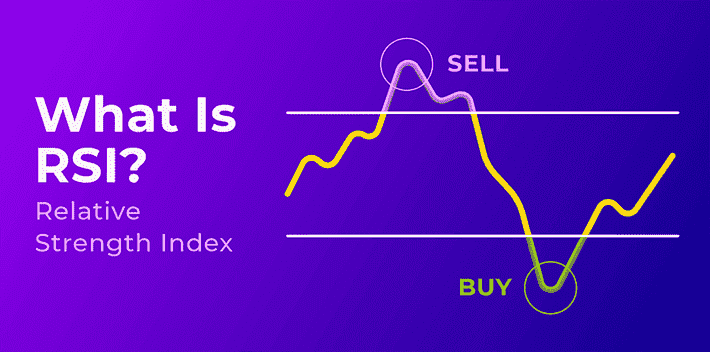
    However, it’s not all smooth sailing for the precious metals market. The iShares Gold Trust’s Relative Strength Index (RSI) has risen above 70, indicating potential overbought conditions, further supported by the stock closing above its upper Bollinger

    band. Over the past year, when the ETF crossed this threshold, it typically experienced an average 1.7% decline in the following 20 days, despite currently maintaining positions above its 200-day and 50-day moving averages.

    One of the most intriguing threats to gold’s dominance comes from an unexpected source: silver jewelry. Once considered out of fashion since the late 2000s, silver jewelry is now emerging as a formidable challenger to gold. Its resurgence since early 2023 threatens gold’s position as the precious metal of choice, with sales of silver increasing significantly, both in the mid-range and luxury sectors, as well as the second-hand market. As silver gains momentum and recognition, its sleek and modern allure could potentially lead to decreased demand for gold, posing a looming threat to gold prices.

    Petra Diamonds Ltd. Faces Market Weakness

    Petra Diamonds Ltd. recently reported the full results of Tender 2 of fiscal year 2024, and the news is far from promising. Like-for-like diamond prices were down in the 16%-18% range, reflecting market weakness, as reported by Bloomberg. The sale was brought forward due to the rough diamond import moratorium in effect between October 15 to December 15, 2023, to better manage the balance between an oversupplied rough diamond market and consumer demand.

    Conclusion

    In conclusion, the world of precious metals is a complex and ever-evolving landscape, where geopolitical tensions, market forces, and even unexpected fashion trends can influence prices and opportunities. “Gold Skyrockets” to a 13-week high not only reflects its enduring appeal as a safe-haven asset but also underscores the multifaceted nature of the industry. As investors navigate these challenges and opportunities, they must stay informed and adaptable to thrive in this fascinating market.

    Click here to read our latest article on Japanese Yen Faces Pressure

  • Explosive Growth: Bitcoin ETF Speculation Ignites 17 month high, Unprecedented Market Optimism!

    The buzz around the Bitcoin ETF has seen the leading cryptocurrency witness an explosive surge, touching heights not seen in the past 17 months. With mounting anticipation of a positive decision by the U.S. Securities and Exchange Commission (SEC) and major financial players like BlackRock entering the scene, the crypto market is aflame with unprecedented optimism. What’s causing this fervor, and what can investors expect next?

    Introduction

    Bitcoin, often hailed as the pioneer of the decentralized digital currency revolution, has made waves in the financial landscape since its inception. Challenging traditional banking norms and offering a fresh perspective on asset management, it heralded a new age of digital finance. Today, it is back in the limelight, capturing the attention of investors, economists, and the general public alike. Its recent price trajectory is nothing short of remarkable, surging to dizzying heights not witnessed since May 2022.

    This exhilarating ascent, many experts argue, is not merely due to its inherent value or the broader bullish sentiment in the crypto market. Instead, a significant part of this surge can be traced back to the growing excitement and speculation surrounding the imminent approval of a Bitcoin ETF. For those unfamiliar with the term, an ETF, or exchange-traded fund, is a type of investment fund and exchange-traded product, with shares that are tradeable on a stock exchange.

    The approval of a Bitcoin-specific ETF would represent a monumental stride in bridging the gap between traditional finance and the burgeoning world of cryptocurrency. Such an approval, given its implications, has the power to draw in a vast pool of institutional investors, thereby lending further legitimacy to Bitcoin and potentially driving its price even higher.

    Furthermore, this speculation is not unfounded. With major financial entities such as BlackRock expressing interest and the U.S. Securities and Exchange Commission (SEC) revisiting its stance on crypto market regulations, the stage seems set for potentially game-changing decisions in the world of digital currency. The combination of Bitcoin’s inherent promise and the looming possibility of a Bitcoin ETF has created a concoction of anticipation, driving market sentiments to unprecedented optimism.

    Recent Bitcoin ETF Price Movements

    In recent times, the financial world has been abuzz, primarily due to the awe-inspiring performance exhibited by Bitcoin. Within just a handful of weeks, this digital currency soared, tracing a parabolic trajectory that left market watchers, traders, and industry veterans alike in sheer disbelief. Such meteoric rises aren’t foreign to the crypto market, but the scale and speed of this one, in particular, were unprecedented.

    The central force propelling this surge seems to revolve around the growing chatter and rumors concerning the potential approval of a Bitcoin ETF. As investors around the globe keenly observed every price tick, the sheer magnitude of Bitcoin’s price increase had many drawing parallels to its staggering performance in May 2022. This correlation is hard to ignore, especially when considering the impact of potential exchange-traded fund approval on the currency’s valuation.

    Historically, the crypto market has been viewed with a mix of skepticism and intrigue. However, the very fact that the world is actively discussing the inception of a Bitcoin ETF, a mainstream financial product, speaks volumes about the changing perceptions. Institutions, once wary of digital currencies, are now vying for a piece of the pie. Giants in the finance realm, such as BlackRock, have made their interest palpable, further fanning the flames of optimism.

    The role of regulatory bodies cannot be understated in this narrative. The SEC, historically cautious about the wild west of cryptocurrencies, seems to be on the brink of possibly changing its tune. With its potential nod towards the Bitcoin ETF, the SEC could be heralding a new age where cryptocurrencies transition from the fringes of finance to its very core.

    In wrapping up this section on price movements, it’s essential to understand that these aren’t mere fluctuations based on whimsical market sentiments. They represent a tectonic shift in how the world perceives, accepts, and is willing to invest in the crypto market. The impending Bitcoin ETF approval isn’t just a nod to Bitcoin’s legitimacy; it’s a testament to the maturation of an entire industry.

    The Wider Crypto Market Reaction

    Bitcoin’s meteoric ascent, primarily driven by the buzz around the Bitcoin ETF, hasn’t remained confined to its realm alone. Instead, it has acted as a beacon, illuminating a path for the broader crypto market to tread on, thereby pushing it into a phase of rejuvenation and bullish activity.

    Ether, often regarded as Bitcoin’s primary counterpart and the underlying force behind Ethereum’s robust platform, has been riding on the coattails of this positive sentiment. Basking in the warmth of the Bitcoin ETF discussions, Ether surged to price points that reminisced of its earlier highs in August. This wasn’t just a mere stroke of luck; it was a clear indication that when the industry’s titan moves, it has the gravitational pull to drive other entities in the crypto market along with it.

    But this wave of enthusiasm wasn’t restricted to cryptocurrencies alone. An array of crypto-linked stocks found themselves at the receiving end of this bullish fervor. Take, for instance, Coinbase Global, one of the world’s premier cryptocurrency exchange platforms. The heightened discussions around exchange-traded fund approval have turned the spotlight onto platforms like these, considering they would inevitably play a pivotal role once such a fund becomes a reality. The stock’s price movement, in this case, wasn’t just reflective of market sentiment but was also indicative of the strategic positioning these platforms could command in the future.

    Then there’s MicroStrategy, a firm that’s intricately woven its fate with that of Bitcoin. As Bitcoin edged higher on the back of the ETF speculations, MicroStrategy’s stock price mirrored its enthusiasm, further bolstering the belief that the broader market sees potential benefits from a Bitcoin ETF beyond just Bitcoin itself.

    This cascading effect of positivity also caught the attention of major financial institutions. BlackRock, for instance, has been keenly observing these shifts, given its influential position in the investment landscape. With the SEC’s potential green signal on the horizon, firms like BlackRock are undoubtedly gearing up to strategize their moves in this ever-evolving market landscape.

    To encapsulate, the overarching sentiment emanating from the crypto market is not just one of hope but of assertive optimism. The speculation around the Bitcoin ETF is more than just talk—it’s a harbinger of the expansive possibilities that lie ahead for both cryptocurrencies and associated industries.

    Speculation Driving the Surge

    Navigating the complex web of the financial market, the U.S. Securities and Exchange Commission (SEC) emerges as a key guardian of investors’ interests, ensuring market integrity while facilitating capital formation. In the sphere of cryptocurrencies, the SEC’s role becomes even more pronounced. Every decision, every hint, every policy shift emanating from this body is keenly observed, dissected, and its potential implications gauged by market players big and small.

    Given this backdrop, it’s hardly surprising that when murmurs began about the SEC potentially granting its nod to a Bitcoin ETF, the market found itself in a whirlwind of heightened anticipation. The sentiment wasn’t just based on mere speculation, but on the realization of what an exchange-traded fund approval could signify for Bitcoin and, by extension, the entire crypto market.

    First and foremost, a Bitcoin ETF would break down many barriers that have traditionally deterred potential investors. It would provide a structured, regulated, and more transparent platform, essentially bridging the worlds of traditional finance and the novel realm of digital currencies. For retail investors, this translates to a straightforward way to gain exposure to Bitcoin without the need to grapple with the intricacies of direct cryptocurrency ownership, like managing cryptographic keys or navigating the sometimes-daunting terrain of cryptocurrency exchanges.

    However, it’s the institutional investors who stand to gain immensely. BlackRock, along with other financial behemoths, has long awaited a structured and compliant pathway to tap into the crypto gold rush. A Bitcoin ETF, regulated by the SEC, would be a game-changer. It would offer institutions a reliable investment vehicle, hedged against the volatile nature of direct crypto investments. This could usher in a new wave of capital influx, reinforcing Bitcoin’s position and further integrating it into mainstream finance.

    Furthermore, exchange-traded fund approval would be a tacit acknowledgment of Bitcoin’s maturity as a financial asset. The ripple effects of this could be vast, potentially opening doors for other cryptocurrencies and crypto-based financial products to seek similar regulatory blessings.

    In essence, the speculation driving this recent surge is more than just market dynamics at play. It’s a confluence of the collective aspirations of the crypto market, the regulatory foresight of entities like the SEC, and the strategic interests of institutional giants like BlackRock. The horizon seems promising, and the wheels set in motion by this speculation might very well redefine the contours of the cryptocurrency landscape.

    Major Players & Market Anticipation

    The world of finance, much like the intricacies of a grand symphony, relies heavily on its most dominant instruments to set the tone. One such influential instrument in the modern financial concerto is BlackRock. Often referred to as the titan of the investment world, its sheer scale, global reach, and the depth of its assets under management position it as a bellwether for institutional sentiment, especially in nascent and rapidly evolving markets like that of cryptocurrencies.

    With BlackRock throwing its hat into the Bitcoin ETF ring, the crypto market holds its collective breath. Its pending application for a Bitcoin ETF isn’t just another entry in the SEC’s ledger. It represents the aspirations of an entire industry longing for broader acceptance and integration into the conventional financial ecosystem. Every move from BlackRock, every statement or hint, becomes fodder for endless debates, analysis, and, most importantly, market speculation.

    Further fanning these speculative flames is the recent development from the Depository Trust & Clearing Corporation (DTCC). The listing of iShares ETF, a product line closely associated with BlackRock, further emphasizes the increasing intertwining of traditional financial powerhouses with the burgeoning crypto realm. Such advancements provide not only a sense of validation for the crypto market but also drive home the point that traditional financial entities are gearing up for a future where cryptocurrencies and their derivative products become mainstay offerings.

    Yet, the plot thickens. A recent court ruling concerning the SEC’s earlier exchange-traded fund rejection has added another layer of complexity to this unfolding narrative. Legal decisions of this nature are not just singular events; they set precedents. The crypto market is now abuzz with questions: Will this ruling reshape the SEC’s approach towards future exchange-traded fund approvals? Does it mark a shift in regulatory winds, or is it just a temporary aberration?

    While the crypto market remains inherently volatile, driven by a myriad of factors, the overarching sentiment is one of hopeful anticipation. The amalgamation of heavyweight players like BlackRock, pivotal regulatory decisions, and the persistent drive of the crypto community paints a compelling picture of a future where Bitcoin ETFs might not just be speculative entities but tangible financial realities.

    Market Analysis & Expert Opinions

    In the intricate web of financial markets, every nuance, every subtle hint, often bears significant implications. It is where expert opinions become vital, providing investors with insight into seemingly complex dynamics. When it comes to the monumental impact of a Bitcoin ETF on the crypto market, industry stalwarts have not shied away from sharing their perspectives.

    Bitcoin ETF
    Source: CCdata

    Antoni Trenchev, a notable figure from Nexo, has been vocal about the transformative potential of a Bitcoin ETF. Drawing upon his vast experience in the financial sector, Trenchev posits that the approval of such an exchange-traded fund would be nothing short of a watershed moment for the crypto market. Beyond the immediate implications, he emphasizes the wider ramifications. He believes that a Bitcoin ETF, by virtue of its structured and regulated nature, could be the gateway for a deluge of institutional money. Such an influx wouldn’t just buoy Bitcoin’s value but could fundamentally shift the dynamics of crypto trading, transitioning it from a predominantly retail-driven space to one where institutional investors play a dominant role.

    Corroborating Trenchev’s perspective is Geoffrey Kendrick, Standard Chartered’s head of digital assets research. Kendrick, with his finger perennially on the pulse of digital assets, also perceives the Bitcoin ETF as a pivotal turning point. He brings attention to data from Coinglass, a reputed analytical firm. Their metrics, particularly concerning crypto market derivatives, paint an optimistic picture. Positive spikes in these derivatives, as Kendrick highlights, are often precursors to bullish runs in the underlying assets. Moreover, the overall market sentiment captured by Coinglass underscores a burgeoning optimism, perhaps stemming from the confluence of institutional interest and regulatory developments.

    However, as with all financial instruments, it’s essential to approach these expert opinions with a balanced perspective. While Trenchev and Kendrick offer compelling arguments for a bullish outlook on the crypto market post Bitcoin ETF approval, the volatile nature of cryptocurrencies demands cautious optimism. It’s a market where meteoric rises are as plausible as sharp corrections. But one thing is clear: the anticipation around the Bitcoin ETF has lit up discussions, debates, and analyses, making it one of the most awaited events in the financial calendar.

    The Global Perspective: BlackRock’s Impact

    When one speaks of titans in the world of finance, BlackRock inevitably secures a mention. Boasting trillions in assets under management, this behemoth has crafted a reputation for itself that few can rival. Historically, where BlackRock ventures, the market takes note and, often, follows suit. Such is the magnitude of its influence on a global scale. Hence, its engagement with the Bitcoin ETF landscape is not merely a venture; it’s a declaration, a testament to the growing legitimacy of cryptocurrency in mainstream finance.

    For context, let’s consider the traditional paradigm of exchange-traded funds (ETFs). These instruments have long been favored for their ability to offer diversification and are seen as gateways for both institutional and retail investors to tap into various market segments. Now, transpose this utility to the world of cryptocurrency, and one can glean the potential of a Bitcoin ETF. What BlackRock aims to achieve with their ETF is to bridge the often daunting divide between traditional finance and the somewhat arcane world of digital assets.

    BlackRock’s updated filing for a Bitcoin ETF has set the global finance community abuzz. Several key implications arise from a BlackRock-endorsed exchange-traded fund approval:

    1. Mainstream Validation: BlackRock’s foray can be interpreted as a significant nod of approval, underlining the viability and potential of Bitcoin as an asset class. This move can further catalyze other institutional players to reassess their stance on cryptocurrency.
    2. Increased Liquidity: A BlackRock-backed ETF would likely attract vast capital inflows into the crypto market, enhancing liquidity and potentially stabilizing price volatilities.
    3. Regulatory Impetus: BlackRock’s involvement may expedite regulatory clarity. Their stature in the finance sector means that regulators, such as the SEC, would potentially work more collaboratively to ensure that all regulatory ambiguities are addressed.
    4. Geopolitical Implications: On a more macro scale, a positive decision on the ETF could drive other nations to fast-track their crypto regulations, keen not to be left behind in the evolving financial landscape.
    5. Investor Education: With BlackRock’s reputation for comprehensive investor resources, the launch of their Bitcoin ETF might also come with a suite of educational tools and insights, demystifying the crypto market for the average investor.

    While the crypto market has witnessed several significant moments in its relatively short history, the potential exchange-traded fund approval of a BlackRock-backed Bitcoin ETF might just be its most transformative yet. The blend of BlackRock’s global influence, combined with the surging appeal of digital assets, makes this a space worth watching closely in the coming months.

    Conclusion

    The winds of change are blowing fiercely across the financial landscape, and at its epicenter lies the burgeoning crypto market. A space once viewed with skepticism, cryptocurrencies have come of age, as evidenced by the enthralling developments that have unfolded in recent times.

    One cannot discuss these developments without acknowledging the formidable presence of BlackRock. As a colossus in global finance, its dalliance with the world of Bitcoin ETFs is akin to a seasoned maestro taking the stage. Their entry signifies a watershed moment, indicative of the seismic shift in perception surrounding digital assets. With BlackRock’s commitment, the long-held barriers between traditional finance and the crypto market seem to be dissolving at an unprecedented rate.

    Parallelly, the momentum around exchange-traded fund approvals has been a significant catalyst. The buzz, the hope, the sheer anticipation—it all speaks volumes about the changing dynamics and the enormous potential that a Bitcoin ETF holds. Such funds would not only open the gates for more fluid capital movement but also present a more structured and regulated avenue for investments in Bitcoin.

    However, this journey is not without its gatekeepers. The SEC, a name that resonates with authority and influence, is at the helm of this narrative. Their decisions, past, present, and future, have and will continue to mold the trajectory of the crypto market. The weight of their endorsement—or lack thereof—can sway market sentiments and shape investor behaviors in ways few other institutions can.

    As we stand on the cusp of potentially historic decisions, the horizon appears golden for Bitcoin and its digital counterparts. Skeptics and believers, institutional giants and individual investors, all await with bated breath, hoping for a future where the integration of cryptocurrencies into mainstream finance is not just a possibility but a norm.

    In wrapping up, it’s apt to say that while uncertainties are an inherent part of any evolving market, the current dynamics indicate a robust and resilient future for cryptocurrencies. The Bitcoin ETF’s fate, though undecided, has already ignited a spark of optimism that’s illuminating the vast potentials of the crypto market. And as history often shows, where there’s light, there’s a way. For investors, market analysts, and enthusiasts, the unfolding chapter promises to be a thrilling ride.

    Click here to read our latest article on Gold Skyrockets to 13-Week High

  • Dramatic Shifts: Israel-Palestine Conflict’s Profound Impact on Forex Markets

    The Israel-Palestine conflict’s profound impact on the forex markets is unmistakable, ushering in a cascade of reactions across global financial spheres. From jolting currency values to stirring crude oil prices and inflation, the geopolitical underpinnings of this conflict have rippled through the very heart of global finance. In this article, we delve deep into the intricate web of forex trading terminologies, deciphering their relevance amidst the turbulence.

    Israel-Palestine Conflict’s Profound Impact On The FX Market

    The world has long been accustomed to the complexities and sensitivities associated with the Israel-Palestine conflict. Historically embedded within the fabric of Middle Eastern geopolitics, this dispute has often shaped international relations and the socio-political dynamics of the region. However, the recent flare-up in tensions has brought about an unexpected dimension to the forefront – its significant bearing on the world of finance.

    The Israel-Palestine conflict’s profound impact on global forex markets is a testament to the interconnectedness of geopolitics and global economic movements in our increasingly interdependent world. The reverberations from the hostilities are felt far beyond the physical boundaries of the conflict, touching the very nerve centers of global financial hubs.

    Immediately following the escalation, traders and investors observed anomalies and shifts in the foreign exchange market. The currencies closely aligned with the region, or those of nations with significant stakes in Middle Eastern geopolitics, experienced heightened volatility. More so, the correlation between the conflict and crude oil prices became even more apparent. Historically, the Middle East has been a linchpin in the world’s oil supply chain. Consequently, any geopolitical disturbances in the region have had cascading effects on oil prices worldwide. This recent strife was no exception. As tensions escalated, crude oil prices surged, underscoring the intricate link between the two.

    In tandem with rising crude oil prices, global economies also had to grapple with the specter of inflation. Already, several nations had been battling inflationary pressures due to a myriad of reasons – from supply chain disruptions caused by the COVID-19 pandemic to labor market inconsistencies. The spike in crude oil prices brought about by the Israel-Palestine hostilities added another layer to these inflation concerns. For countries heavily reliant on oil imports, this translated to increased costs for a wide range of sectors, further fuelling inflationary tendencies.

    In the hyper-competitive arena of forex trading, these shifts do not go unnoticed. Traders, always on the lookout for opportunities and threats, found themselves recalibrating strategies, hedging bets, and reassessing risk portfolios. The Israel-Palestine conflict’s profound impact served as a stark reminder of how rapidly macroeconomic scenarios could shift, and how imperative it was for market participants to remain agile and informed.

    The intricate dance of geopolitics and global finance was once again underscored by the recent events in the Israel-Palestine theater. As the world watched the news reels depicting the on-ground situation, trading floors across the globe buzzed with activity, reacting to each development, each nuance. It became abundantly clear that in the modern era, no event, however geographically localized, can be viewed in isolation. The ripples it creates can span across oceans, affecting economies, markets, and, most importantly, the common man’s pocket.

    Background and Context

    The Middle East, often described as the cradle of civilizations, has been a cauldron of complex geopolitics for several millennia. But in contemporary history, perhaps no other conflict has garnered as much international attention, scrutiny, and debate as the Israel-Palestine saga. This intricate tapestry of historical claims, religious significance, and nationalistic fervor has led to a series of intermittent battles, diplomatic skirmishes, and efforts at peace resolutions, with varying degrees of success.

    The nature of the Israel-Palestine confrontation has always been multifaceted, influencing not just regional but global geopolitics. From the corridors of the United Nations to the boardrooms of major multinational corporations, discussions surrounding this dispute have been omnipresent. However, what makes the recent surge in tensions distinctly notable is its timing and subsequent economic repercussions. The conflict’s flare-up, coinciding with critical forex market hours, was akin to pouring fuel on an already raging fire, considering the existing global economic climate.

    The world was, and still is, grappling with the economic aftershocks of the COVID-19 pandemic. Economies have been trying to steady themselves amid lockdown-induced recessions, supply chain disturbances, and a general atmosphere of uncertainty. In such a fragile environment, the Israel-Palestine conflict’s profound impact took center stage, especially in the world of forex. Currencies, being sensitive barometers of geopolitical tensions, began to oscillate wildly, reflecting the uncertainty of the evolving situation on the ground.

    But there’s another layer to this narrative – crude oil prices. The Middle East, being home to some of the world’s largest oil reserves, inherently ties any regional geopolitical disturbance with the global energy market. As the conflict escalated, traders worldwide were glued to their screens, tracking the movements of Brent crude oil futures. Every rocket launched, every diplomatic intervention, and every call for ceasefire had the potential to swing these futures, making them a litmus test for the conflict’s broader economic implications.

    Moreover, as Brent crude oil futures gyrated, the effect on major currencies was palpable. Take, for instance, the shekel exchange rate. As Israel’s official currency, the shekel found itself at the mercy of not just the direct implications of the conflict, but also the indirect effects stemming from fluctuations in crude oil prices and the broader sentiments of the forex markets.

    To add to this, the ever-looming specter of inflation further complicated matters. With crude oil prices on an upward trajectory, nations, especially those heavily dependent on oil imports, began sounding the alarm on rising inflation rates. The cascading effect of these prices meant that goods and services, transportation, and production costs all saw an uptick. Inflation, already a concern in many countries due to pandemic-induced economic policies, now had an additional catalyst in the form of the Israel-Palestine situation.

    In sum, the Israel-Palestine conflict, with its deep-seated historical and political roots, has always been a significant influencer of regional dynamics. However, its recent episodes, juxtaposed against an already tumultuous global economic backdrop and during pivotal forex trading hours, magnified its reach and implications, intertwining it indelibly with the fates of currencies, commodities, and economies worldwide.

    Immediate Market Reactions

    When global events of significant geopolitical scale unfold, financial markets are often the first to react, offering a near-immediate barometer of sentiment. The escalation of the Israel-Palestine conflict was no different, with its reverberations felt most notably in the energy sector.

    As hostilities intensified, so too did market volatility. The first and most conspicuous casualty was the world of crude oil prices. With the Middle East being a pivotal player in global energy, any ripples in the region can generate tidal waves in the energy markets. And true to form, Brent crude oil futures responded with alacrity, marking an initial sharp and dramatic rise. This upswing was reflective not just of the actual disruptions the conflict might cause to the oil supply chain, but also the speculative nature of futures trading, where sentiment can often overshadow actual supply and demand dynamics.

    But the energy sector is not a monolith, and its stakeholders span across nations and interests. Enter OPEC+, a consortium of oil-producing countries that have historically wielded significant power in determining oil output and, by extension, global crude oil prices. As news broke out about the conflict’s escalation, all eyes turned to OPEC+ for their response. Would they leverage the situation to cut production and push prices further up? Or would they maintain the status quo?

    In a move that perhaps caught many by surprise, OPEC+ chose the path of stability. By deciding to retain their current production parameters, they sent a clear message to the market – one of restraint and caution in the face of escalating tensions. This decision had a dual impact. Firstly, the initial panic and speculative frenzy surrounding Brent crude oil futures started to ebb. Traders recalibrated their positions, and the futures charts began reflecting a more tempered, albeit cautious, outlook.

    Secondly, this decision had a stabilizing effect on the broader forex markets. With Brent crude oil futures being a bellwether of sorts for many currencies, especially those of oil-dependent economies, OPEC+’s decision provided a much-needed respite from the frenetic trading that had marked the conflict’s initial days.

    However, even with this semblance of stability, the market’s undercurrent remained one of caution. The Israel-Palestine situation was, and remains, fluid. The shekel exchange rate, given its direct connection to the epicenter of the conflict, was under meticulous scrutiny. Every diplomatic maneuver, every ceasefire negotiation, and every ground development was keenly observed, with traders ready to react at a moment’s notice.

    In essence, while the immediate, almost knee-jerk, market reactions to the conflict’s escalation were pronounced and palpable, OPEC+’s strategic decisions provided a counterbalance. Yet, the overarching sentiment was clear: the markets would remain hostage to the unfolding events in the Israel-Palestine region, oscillating between hope and caution, peace and volatility.

    Wider Market Implications

    The interconnectedness of today’s global economy ensures that no significant geopolitical event remains isolated in its effects. Such is the magnitude of the Israel-Palestine conflict’s profound impact that its ripples touch even the farthest shores of the financial world. And one of the overarching narratives threading these implications is the ever-daunting specter of inflation.

    Inflation is, in many ways, like the invisible hand that subtly manipulates the dynamics of global economies. Its inception and progression are often traced back to a myriad of factors, but few catalysts are as potent as crude oil prices. When crude oil prices climb, the tendrils of inflation begin to weave their way through economies, increasing the cost of goods and production across sectors. It’s a chain reaction: higher energy prices lead to increased manufacturing and transportation costs, which then get passed onto the consumer.

    For the US, these inflationary concerns are far from abstract. With an economy that’s been straddling the fine line between recovery and resurgence, the divergence between core and headline inflation has been a source of constant debate among policymakers and economists. The core inflation, which excludes the volatile food and energy components, had been relatively tame. But the headline inflation, which factors in all components, has shown more capricious tendencies. The Israel-Palestine conflict’s profound impact, with its ripple effect on crude oil prices, has exacerbated this chasm. Now, the Federal Reserve and other policymakers find themselves in a tricky juggle, balancing monetary policy to support economic growth while fending off inflationary pressures.

    But it’s not just the US that finds itself in this conundrum. Europe, with its unique blend of economies, has been feeling the heat of these external pressures. The European Central Bank (ECB), which oversees monetary policy for the eurozone, is finding itself under an intensifying microscope. With Brent crude oil futures oscillating in tandem with the geopolitical tensions, the implications for Europe’s energy costs are glaring. An extended period of high energy prices might push the core inflation upward, prompting the ECB to reconsider its stance on interest rates and other monetary tools.

    The meticulous tracking of Brent crude oil futures isn’t merely an exercise for energy sector analysts. These futures have become a barometer for market participants worldwide, indicative of potential future market movements. Whether it’s the shekel exchange rate reacting to real-time developments on the ground or Asian markets bracing for the economic aftershocks, the tentacles of the conflict reach far and wide.

    In conclusion, while the Israel-Palestine situation has immediate and visceral implications for those directly involved, its economic and financial ramifications spread across continents. In a world so interlinked, the cascading effects of such conflicts serve as a reminder of our shared vulnerabilities and the intricate web of our global economic fabric.

    Currency Dynamics in Focus

    When dissecting the intricate layers of global financial systems, the realm of currency often emerges as a frontline battleground, especially in light of geopolitical disturbances. It’s a dance of numbers and sentiments, where even the slightest shift in a region can echo loudly in the forex chambers of another.

    Canada’s position in this matrix is particularly intriguing. With its economy deeply entrenched in the energy sector, the nation’s currency, the Canadian dollar or “loonie”, often mirrors the dynamics of crude oil prices. At a cursory glance, rising crude oil prices due to heightened tensions in the Middle East might paint Canada as a clear beneficiary. After all, higher prices often equate to increased revenue for core crude exporters like Canada. However, this narrative isn’t as linear as it seems.

    A significant facet of Canada’s crude export framework is its primary trading partnership with the US. This robust trade relationship, characterized by the relative stability and proximity of the two nations, acts as a buffer. Canada remains somewhat insulated from the direct economic upheavals that Middle Eastern disturbances might otherwise impose on crude-dependent economies. It’s akin to having a safety net, ensuring that the economic reverberations of such a profound conflict, like the Israel-Palestine one, don’t hit Canada’s forex dynamics head-on.

    In stark contrast stands Europe. Unlike Canada, Europe’s economic layout showcases a vulnerability when it comes to its energy resources. The continent’s heavy reliance on crude imports becomes a chink in its armor, especially when these imports flow from potential flashpoints of conflict. The strategic Suez Canal, controlled by Egypt, acts as a pivotal maritime chokepoint. Any disturbance in this region can disrupt oil shipments to Europe, thereby playing havoc with the continent’s energy security and, by extension, its currency valuations.

    But amidst these broader currency movements, a particular metric has risen to prominence — the shekel exchange rate. Israel’s currency has always been a reflection of the nation’s geopolitical and economic standing. With the recent escalation in the Israel-Palestine conflict, the shekel has been thrust into the global limelight. Traders, economists, and policymakers are meticulously tracking the shekel exchange rate, not just as a gauge of Israel’s economic health, but as an emblematic indicator of the conflict’s broader financial ramifications.

    The daily fluctuations of the shekel, juxtaposed against other major currencies, provide a real-time snapshot of investor sentiments. It encapsulates the complex interplay between the Israel-Palestine conflict’s profound impact, regional geopolitical strategies, and the global response to this ever-evolving situation.

    In wrapping up this section, one thing becomes evident: the language of currency, often nuanced and coded, is resonating loud and clear with the echoes of geopolitical events. The Israel-Palestine saga, with its deep-rooted history and its modern-day implications, is etching its mark, not just on maps but on the very fabric of global finance.

    Stock Market, Crude Oil, and Gold Movements

    The interconnectedness of global financial systems ensures that events in one part of the world reverberate in the markets of another. And when those events stem from a region as geopolitically charged as the Middle East, the ripples felt are more like tidal waves.

    At the heart of these tremors lies the stock market — a barometer for investor sentiment and global economic health. The recent uptick in the Israel-Palestine conflict has cast an uneasy pall over trading floors worldwide. Stock markets, inherently sensitive to global dynamics, have displayed marked volatility. Blue-chip companies, energy sectors, and even emerging markets have felt the Israel-Palestine conflict’s profound impact, pushing indices to swing wildly in response to the news from the conflict zone. The sharp ascent in oil prices, particularly with its symbiotic relationship with the health of many economies, has played a pivotal role in this stock market flux.

    But it isn’t just the stocks that are in a state of flux. The spotlight, quite intensely, is on Brent crude oil futures. As one of the primary benchmarks for global oil prices, Brent crude represents the pulse of the energy sector. Traders, hedge fund managers, and institutional investors hang onto every piece of news, every data point, that could indicate where these futures might head. The futures’ prices aren’t just numbers on a screen; they’re predictive indicators, providing insights into potential price movements of crude oil, which in turn, has cascading effects on economies. Every uptick or downtrend in Brent crude oil futures is a harbinger of either economic relief or added strain for nations.

    Parallel to the black gold of crude oil, there’s the age-old allure of actual gold. Historically, gold has been the refuge investors flock to during times of uncertainty. This conflict has been no exception. The surge in the Israel-Palestine conflict coincides with a notable uptick in gold prices. The reason? The shimmering metal offers a semblance of stability in turbulent times. Even as the dollar shows its resilience and strength, the precious metal has found favor among those looking to hedge their bets against the unpredictable nature of the conflict.

    In summary, the intertwined dance of stock markets, crude oil, and gold in the face of the Israel-Palestine conflict is a testament to the global financial system’s intricate choreography. One where every step, every pivot, holds implications not just for the immediate players but for the wider world watching keenly from the sidelines. The Israel-Palestine conflict’s profound impact on these markets has once again underscored the delicate balance of geopolitics and global finance.

    Bank of Israel’s Strategy Amidst Crisis

    Central banks worldwide are tasked with the critical role of maintaining economic stability within their jurisdictions. In times of crisis, their actions—or the lack thereof—can reverberate far beyond their borders, particularly when global trade dynamics are at play. Such has been the situation with the Bank of Israel amidst the recent surge in the Israel-Palestine conflict.

    The Middle East, often viewed through the lens of oil and geopolitics, is also home to some robust financial markets, of which Israel’s is a central player. The shekel, Israel’s official currency, often acts as a gauge of investor sentiment concerning the region’s stability. The recent developments in the conflict pushed the shekel exchange rate into a spiral, reflecting international apprehensions about the future.

    This erratic movement in the shekel was alarming not just for domestic players but also for international investors who hold significant shekel-denominated assets. Furthermore, a volatile currency can disrupt trade balances, making imports costlier and potentially fueling inflation—a situation no economy wishes to find itself in, especially during a geopolitical crisis.

    Recognizing these stakes, the Bank of Israel swung into action. The decision to offload a substantial portion of its foreign currency reserves was neither spontaneous nor inconsequential. By injecting foreign currency into the market, the central bank aimed to increase the supply, thereby applying downward pressure on other currencies relative to the shekel. This strategy was geared toward pulling back the shekel exchange rate to more favorable and stable levels.

    However, beyond the immediate goal of currency stabilization, this move served a larger purpose. By stepping into the fray decisively, the Bank of Israel sent a clear message to global forex traders and investors: it was both capable of and committed to managing the Israel-Palestine conflict’s profound impact on its financial systems. Such assurances, subtle yet powerful, are instrumental in bolstering investor confidence during uncertain times.

    But the Bank of Israel’s interventions were not just reactive. They were indicative of the central bank’s broader understanding of global forex mechanics. In an interconnected world, a currency’s stability is often tethered to international trade, foreign direct investment, and even geopolitical alliances. By actively managing the shekel’s valuation, the Bank of Israel demonstrated a profound grasp of these dynamics and their implications.

    In conclusion, the recent actions of the Bank of Israel serve as a testament to the intricate dance central banks must perform in the face of geopolitical upheavals. Balancing domestic imperatives with international expectations, the bank’s strategy amidst the crisis offers a masterclass in central banking in the modern age.

    Geopolitical Developments and Market Consequences

    The global market, despite its vastness and complexity, often operates as a closely-knit ecosystem where events in one corner can trigger ripples far and wide. The Israel-Palestine arena, with its intricate tapestry of history, politics, and culture, has once again taken center stage, this time echoing its reverberations through financial markets worldwide.

    The immediacy with which the lethal incursion into Israeli territory impacted financial instruments underscores the interconnected nature of geopolitics and economic landscapes. Within hours, Israeli stock and bond prices, which had previously showcased robustness, nosedived by a significant 7%. Such swift reactions speak volumes about the depth of investor concerns and the Israel-Palestine conflict’s profound impact on market dynamics.

    In the currency markets, fluctuations often act as a litmus test for broader economic health and investor sentiment. The shekel exchange rate has traditionally been a reliable metric in this context. However, during these turbulent times, its movements became far more pronounced. Every diplomatic maneuver, every ceasefire attempt, and every escalation on the ground reflected in the shekel’s valuation. Like a heart monitor tracing the beats of a patient, the shekel exchange rate oscillated with the pulse of the geopolitical drama unfolding in the Middle East.

    But it wasn’t just the realm of currencies that felt the pinch. The energy market, often the first to react to Middle Eastern developments, was also on high alert. Brent crude oil futures, a global benchmark for oil prices, became the touchstone for traders worldwide. With the Israel-Palestine conflict threatening potential supply chain disruptions and heightening tensions among key oil-producing nations, Brent crude prices swung wildly, causing a ripple effect across industries from transportation to manufacturing. The futures became more than just a commodity price point; they transformed into critical signposts, signaling potential economic trajectories amidst the fog of conflict.

    Additionally, the focus on Brent crude oil futures wasn’t merely speculative. It highlighted a deeper narrative of global energy dependence and the potential vulnerabilities that geopolitical flashpoints like the Israel-Palestine conflict can expose. For many nations, especially those heavily reliant on Brent crude imports, the stakes were exceedingly high. Every movement in futures pricing was dissected, analyzed, and forecasted, trying to predict the next turn in an increasingly unpredictable market landscape.

    In conclusion, the recent geopolitical developments in the Israel-Palestine region have starkly emphasized the delicate balance that global markets must maintain. As events continue to unfold, traders, policymakers, and investors alike will keep a vigilant eye on the shekel exchange rate and Brent crude oil futures, recognizing them as the financial world’s barometers in these tumultuous times.

    Conclusion

    The Israel-Palestine conflict’s profound impact on the forex market landscape is undeniable. With crude oil prices and inflation becoming the central narratives, the global financial community finds itself at a pivotal juncture. Brent crude oil futures and the shekel exchange rate, in particular, have become vital touchpoints in this evolving story, mirroring the larger geopolitical saga in their oscillations. As traders, analysts, and financial aficionados track every move, the symbiotic relationship between geopolitics and global finance becomes even more evident. In these turbulent times, understanding the nuanced dance of currencies, commodities, and conflicts becomes not just a skill but a necessity.

    Click here to read our latest article on Bitcoin ETF Speculation Ignites 17 month high

  • Essential Insights: The AUD/USD Dilemma Amid Rising Uncertainty & GBP/USD Faces Downward Pressure of Tumbling Below the 1.2000 Barrier

    Decoding the AUD/USD Dilemma: How Hawkish RBA Messages and Global Tensions Weigh In

    In the vast expanse of the global forex market, the AUD/USD Dilemma has unfurled as a standout subplot. As currencies continually adjust to the ceaseless ebb and flow of geopolitical scenarios and pivotal central bank verdicts, it’s paramount for stakeholders to decode the enigma of the AUD/USD trajectory.

    A Fundamental Backdrop

    The Australian dollar, emblematic of the economic vitality of the Land Down Under, has experienced a volatile phase. This fluctuation is attributable to a confluence of domestic determinants and global influences. Notably, the currency saw some bullish moments, riding on favorable domestic indicators such as the low unemployment statistics. The optimism from these metrics was further accentuated by the hawkish tones emanating from the Reserve Bank of Australia (RBA) meetings and official communiqués.

    AUD/USD Dilemma
    AUD/USD ECONOMIC CALENDAR
    Source: dfx

    Yet, lurking in this ostensibly rosy picture is the formidable challenge of inflation. There’s a burgeoning sentiment among market watchers that measures to dampen inflationary impulses have lacked the requisite rigor and urgency. The much-anticipated Australian inflation data, should it veer towards the lower spectrum, could be the linchpin that steers the narrative around the AUD/USD Dilemma, potentially shedding light on the RBA’s forthcoming strategic stance.

    The US Data and the Middle East Context

    While Australia’s fiscal contours remain integral to this story, the fiscal health and geopolitical strategies of the U.S. play an undeniable role in the unfolding of the AUD/USD dynamics. The US’s consistent robust economic output threatens to further amplify the USD’s strength vis-à-vis the AUD, adding yet another layer to the intricate AUD/USD conundrum.

    Moreover, the intricate geopolitics of the Middle East, with its perpetual state of flux, is also casting its long shadow on this currency pair. The prevailing ‘risk-averse’ sentiment, fueled by Middle Eastern complexities, has been a significant tailwind for the USD. If these regional tensions continue to simmer or even escalate, the implications for the AUD/USD axis could be profound.

    Diving into Technical Analysis

    Warren Venketas’ detailed technical exposition on TradingView of the AUD/USD weekly trajectory offers compelling insights. The evident blue-highlighted long upper wick weekly candle appears to be signaling an impending bearish stance, should the current trends persist.

    AUD/USD Dilemma
    AUD/USD WEEKLY CHART
    Source: DFX

    The more granular daily charts also weave an interesting tale. With the downward-leaning trendline resistance coming into focus, there’s a palpable pressure around the October support zones. The persistent nudging against these support parameters might be a precursor to a more significant shift. The mirror-image reflection of the November 2022’s low at 0.6272, reminiscent of a descending triangle, further augments the bearish prognosis. The RSI’s current stance, hovering below the neutral midpoint, corroborates this perspective.

    AUD/USD Dilemma
    AUD/USD DAILY CHART
    Source: DFX

    Key Resistance and Support Levels

    A nuanced understanding of the resistance and support markers is a sine qua non for those navigating the AUD/USD maze. Noteworthy resistance landmarks include 0.6500, 0.6459, the illustrative 50-day moving average juxtaposed with the trendline resistance, and the 0.6358 point. Conversely, the pivotal support thresholds are delineated at 0.6272 and 0.6170. Mastery over these metrics will be indispensable for stakeholders engaged with this currency dyad.

    IG Client Sentiment Data

    Incorporating sentiment data into the analysis, the IG Client Sentiment (IGCS) offers a perspective that’s often at odds with market trends. As of now, IGCS highlights that a staggering 84% of retail traders are net LONG on AUD/USD. This data might seem counterintuitive given the underlying market dynamics, but it underscores the unpredictability of the forex market and the multifaceted nature of the AUD/USD Dilemma.

    Exploring Factors as GBP/USD Faces Downward Pressure: Key Technical and Geopolitical Insights Ahead.

    The recent events in the foreign exchange market present a scene of dynamic movements and unpredictable patterns. Particularly, the GBP/USD Faces Downward Pressure, teetering on the brink of a potential freefall. As traders and investors worldwide navigate these turbulent waters, understanding the underlying reasons behind this looming downtrend becomes crucial.

    GBP/USD Faces Downward Pressure: The Fundamental Backdrop

    At the core of the GBP/USD dilemma is a mix of both domestic and international factors. The British Pound (GBP), traditionally seen as a reflection of the UK’s economic and political health, has recently struggled to find a firm footing. Despite labor data showing some positivity, comments from the Bank of England Governor and policymakers suggest a diminishing likelihood of any rate hikes in 2023. This sentiment has become a significant drag on the GBP, further amplifying the GBP/USD Faces Downward Pressure narrative.

    AUD/USD Dilemma
    DOLLAR INDEX (DXY) DAILY CHART
    Source: DFX

    Simultaneously, the US dollar’s robust performance, backed by a bullish rally in the Dollar Index (DXY) and underlined by a rise in US Yields, has overshadowed the GBP. With the question lingering – “how high can the DXY go?” – the GBP’s potential vulnerability becomes more pronounced.

    US Influences and Geopolitical Undercurrents

    As the GBP/USD Faces Downward Pressure, understanding the US’s influence is paramount. The DXY is an instrumental indicator, especially as it doesn’t currently show signs of sustained selling pressure. A combination of the trajectory of US Yields and geopolitical tensions ensures the DXY remains a potent force in the forex world. This strength suggests that short-term USD buying opportunities might arise during dips, as risk sentiment alternates between risk-on and risk-off modes.

    Adding another layer of complexity is the upcoming US Q3 GDP data. Expectations are soaring with the US economy anticipated to exhibit a growth of 4.3% for the quarter, a considerable leap from the 2.1% in Q2. However, despite these optimistic projections, even a surpassing of these expectations might not be adequate for a sustained break above resistance in the DXY. With the upcoming Federal Reserve meeting and the overall market mood, traders and market participants tread cautiously, further highlighting why GBP/USD Faces Downward Pressure.

    Technical Landscape and GBP’s Dilemma

    On the technical front, GBP/USD is revisiting its recent lows, approaching a pivotal support area. Should this area succumb, the GBP could be thrust towards the daunting 1.2000 psychological mark. The gravity of breaking this level is profound. Not only would it herald a significant bearish trend, but it would also be indicative of the broader GBP/USD Faces Downward Pressure narrative coming to fruition.

    Recent technical markers like the trendline rejection and the marubozu candle close foreshadow further bearish momentum for the GBP. However, some temporary USD weakness during the European session has momentarily halted this slide. Yet, a daily candle close below the 1.2080 mark might remain elusive. The impending Central Bank meetings could see the GBP/USD oscillating between the 1.2080 and 1.2280 markers.

    Other Noteworthy Influences

    Amidst all this, we mustn’t overlook the US dollar’s safe-haven appeal, which can amplify if geopolitical tensions escalate. This appeal could further strain the GBP, particularly as there’s no significant data in its favor for the remainder of the week. With no immediate rescue for the GBP, the GBP/USD Faces Downward Pressure narrative appears more compelling.

    Key Levels To Monitor

    For those keenly observing this forex pair, several levels warrant close attention. On the support side, 1.2080, 1.2030, 1.2000 (a critical psychological level), and 1.1850 are the ones to watch. As for resistance, the primary zones are 1.2182, 1.2312, and 1.2399.

    AUD/USD Dilemma
    GBP/USD DAILY CHART, OCT 25th
    Source: DFX

    Conclusion

    In the intricate maze of the global forex landscape, the AUD/USD dilemma and the pressures on GBP/USD stand out as emblematic of the challenges and opportunities inherent in such volatile markets. Woven into this are multifarious variables: from the RBA’s assertive stances and impending Australian inflation data to the UK’s economic nuances and the US’s fiscal pulse, all set against the backdrop of broader geopolitical tensions.

    As the market teeters on the brink of pivotal data releases and geopolitical shifts, traders and investors must remain both informed and agile. The evolving narratives of AUD/USD and GBP/USD serve as testament to the fluidity of the financial world, urging stakeholders to recalibrate, strategize, and leverage their moves carefully in this ever-evolving dance of currencies.

    Click here to read our latest article on Bitcoin ETF Speculation Ignites 17 month high

  • Understanding The Impact of The Dynamic Influence of the South African Reserve Bank on Economic Prosperity

    In the dynamic economic landscape of South Africa, one entity stands as a linchpin, exerting a profound influence on the nation’s economic trajectory—the South African Reserve Bank (SARB). Established on June 30, 1921, the SARB is the oldest central bank in Africa, playing a pivotal role in shaping the economic framework of the country. In this comprehensive exploration, we delve into the intricate facets of the South African Reserve Bank, unraveling its historical roots, unique shareholder structure, policy decisions, and the far-reaching impact it wields on economic prosperity, especially concerning the South African Rand (ZAR) and the repo rate.

    The Birth of the South African Reserve Bank (SARB)

    The roots of economic stability in South Africa intertwine with the compelling narrative of the South African Reserve Bank (SARB). In the aftermath of the economic tumult following World War I, a need arose for a stabilizing force, an independent monetary authority that could navigate the currency fluctuations that characterized the post-war landscape. This need gave birth to the SARB on June 30, 1921, with a distinctive mandate—to be the cornerstone of stability for the nation’s currency.

    The economic aftermath of World War I created a landscape fraught with currency uncertainties. South Africa, like many nations, faced the challenge of stabilizing its currency amidst the fluctuating tides of post-war reconstruction. The establishment of the SARB was a strategic response to this challenge, a commitment to providing a robust and independent monetary framework that could weather the storms of economic uncertainty.

    During its formative years, the SARB operated as a privately-owned institution, a period marked by its initial steps into the complex realm of monetary policy and economic stability. However, recognizing the evolving needs of the nation and the role of the SARB in shaping the economic trajectory, a transformative phase unfolded in 1945. The decision to nationalize the SARB marked a significant turning point, bringing the institution directly under the control of the South African government.

    This transition was more than a bureaucratic realignment; it represented the maturation of the SARB into a crucial pillar of economic governance. The nationalization underscored the government’s recognition of the pivotal role the SARB played in safeguarding the nation’s financial interests and maintaining stability in the face of economic challenges.

    South African Reserve Bank

    Being the oldest central bank on the African continent, the SARB stands as a testament to resilience and adaptability. It weathered the storms of the Great Depression, navigated the challenges posed by World War II, and played a critical role in the complex socio-economic landscape of the apartheid era. The transition to a democratic government marked another chapter in its storied history, a period where the SARB continued to evolve and adapt to the changing needs of the nation.

    The resilience of the SARB is not merely a historical footnote; it is a living legacy that continues to shape South Africa’s economic present and future. As an institution that has thrived amidst dynamic economic challenges, the SARB stands as a beacon of stability, a testament to the foresight of its founders and the adaptability that has defined its journey through the annals of time.

    Shareholders of the South African Reserve Bank (SARB)

    In the realm of central banking, the South African Reserve Bank (SARB) charts its own course with a distinctive shareholding structure that sets it apart from conventional counterparts. Unlike the typical central bank model, the SARB stands as a publicly owned entity, boasting a diverse shareholder base comprising over 650 individuals and entities. However, the true essence of its uniqueness lies not merely in the number of shareholders but in the carefully crafted limitations that define their rights, ensuring a delicate equilibrium between public and private interests.

    The SARB’s shareholding structure is a testament to the commitment to maintain the bank’s independence, a core principle that shapes its decision-making processes and policy formulations. Strict legal constraints serve as the guardians of this independence, preventing shareholders from wielding undue influence over the critical policy decisions that steer the nation’s economic course.

    One distinctive limitation imposed on shareholders is the cap on individual ownership. No shareholder or associated group is permitted to own more than 10,000 shares individually. This restriction, while seemingly numerical, serves as a safeguard against concentrated influence. By preventing any single entity from amassing a disproportionate share of ownership, the SARB ensures that no individual or group can sway the bank’s agenda in a manner contrary to the broader interests of the nation.

    Another pivotal restriction is imposed on non-resident shareholders and their associates, who face a cap on holding more than 40% of the total issued shares. This geographical limitation is strategic, aligning with the broader goal of maintaining the SARB’s autonomy in the face of global economic forces. By preventing excessive foreign influence, the SARB secures its role as a guardian of South Africa’s economic interests, ensuring that decisions are made with a keen understanding of the nation’s unique economic dynamics.

    These limitations on shareholder rights are not mere regulatory hurdles; they are the pillars that support the SARB’s commitment to independence and neutrality. They ensure that the interests of the broader public and the nation’s economic stability take precedence over individual or concentrated interests. The delicate balance between public and private interests, as orchestrated by the SARB’s shareholding structure, becomes a critical element in preserving the integrity and effectiveness of this venerable institution.

    In essence, the SARB’s shareholders play a role that extends beyond mere ownership—they become stewards of an institution entrusted with the economic well-being of a nation. The shareholding structure becomes a tapestry woven with the threads of accountability, ensuring that the SARB remains true to its mandate, free from the undue influence that might compromise its ability to act in the best interests of South Africa and its citizens.

    The Mandate of the South African Reserve Bank (SARB)

    At the very core of South Africa’s economic governance lies the South African Reserve Bank (SARB), an institution whose mandate is not a mere bureaucratic formality but a constitutional commitment enshrined in the fabric of the Republic. Embedded within the Constitution of the Republic of South Africa, Section 224(1) serves as the lodestar, succinctly outlining the SARB’s primary objective—to “protect the value of the currency in the interest of balanced and sustainable economic growth.” This seemingly straightforward mission statement unfurls a tapestry of responsibilities that position the SARB as a linchpin in the nation’s economic machinery.

    The overarching goal of protecting the value of the currency translates into a multi-faceted role that extends far beyond the traditional confines of a central bank. At the heart of this mandate is the commitment to maintain price stability, achieved through the careful orchestration of monetary policy. The SARB’s decisions regarding interest rates, money supply, and other monetary instruments are all calibrated with the singular aim of fostering an environment conducive to balanced and sustainable economic growth.

    However, the SARB’s responsibilities extend beyond the realm of monetary policy. It assumes the role of a guardian overseeing the stability of the South African financial system—an imperative task in an era marked by the complexities of global finance. As the issuer of banknotes and coins, the SARB literally puts the nation’s currency into circulation, a tangible expression of its commitment to ensuring the reliability and integrity of the monetary system.

    The symbiotic relationship between the SARB and the government takes form in the role of the central bank as the official banker for the government. This strategic alliance goes beyond the routine handling of financial transactions; it underscores the interdependence between economic policy formulation and its execution. By providing banking services for commercial banks, the SARB becomes not just a regulator but an active participant in the intricate dance of the financial sector.

    A critical facet of the SARB’s mandate is the management of the country’s gold and foreign exchange reserves. In an era of global interconnectedness, these reserves become strategic assets, serving as a buffer against economic shocks and providing the nation with the flexibility to navigate the dynamics of the international economic landscape.

    In essence, the mandate of the SARB is a symphony of responsibilities, each note contributing to the harmony of South Africa’s economic well-being. It is a commitment to not just preserve the value of the currency but to actively cultivate an environment where economic growth is not just a momentary surge but a sustained and balanced progression.

    As we delve into the intricacies of the SARB’s mandate, it becomes evident that its role transcends the conventional boundaries of a central bank. It emerges as a dynamic force, a key player in the economic narrative of South Africa, wielding its constitutional mandate with precision and foresight to navigate the complexities of the modern economic landscape.

    Dividends

    In the intricate financial ecosystem of the South African Reserve Bank (SARB), dividends play a distinctive role—a role deeply entwined with the institution’s overarching commitment to its constitutional mandate. Unlike conventional entities driven by profit motives, the SARB operates not as a profit-centric entity but as a custodian of economic stability. However, within this framework, a unique interplay unfolds, involving private shareholders and a carefully calibrated dividend structure.

    The SARB’s private shareholders, though not the primary drivers of the institution’s objectives, hold a stake in its operations. This stake entitles them to a share of the financial returns generated by the SARB, albeit within the bounds of a legally mandated cap. The dividend cap, a prudent financial constraint, is set at 10 cents per share per annum. This limitation serves a dual purpose—it ensures that private shareholders receive a return on their investment while preventing an undue accumulation of profits within the SARB’s financial structure.

    This distinctive dividend structure becomes a testament to the SARB’s commitment to its core objectives, delineated in the Constitution of the Republic of South Africa. The priority is not the amassing of wealth or the pursuit of profit for its own sake; rather, it is the protection of the value of the currency and the facilitation of balanced and sustainable economic growth. The dividend structure acts as a financial mechanism that aligns the interests of private shareholders with the broader economic objectives, creating a symbiotic relationship that resonates with the institution’s unique character.

    Crucially, the dividends paid to private shareholders are not an end in themselves. Beyond the capped return, any surplus profits generated by the SARB flow back to the South African government. This financial disposition underscores the institution’s role as a public entity, reinforcing its commitment to channel financial gains towards the broader welfare of the nation. It transforms the SARB’s financial activities into a conduit through which economic prosperity is not concentrated but diffused across the broader spectrum of societal needs.

    In essence, while the SARB’s dividend dynamics may echo the financial intricacies of profit-oriented entities, they do so with a distinct purpose. The financial returns, carefully calibrated and capped, serve as a mechanism that aligns private interests with public objectives, creating a financial symbiosis that echoes the institution’s commitment to economic stability and growth.

    As we unravel the layers of the SARB’s financial landscape, the dividend dynamics emerge not as a departure from its core principles but as a harmonious chord within the broader symphony of economic governance. They serve as a reminder that even in the financial realm, the SARB’s priorities are grounded in the pursuit of a balanced and prosperous economic future for South Africa.

    Impact of Policy Decisions on the South African Rand (ZAR)

    South African Reserve Bank
    SA INTEREST RATE VS. SA INFLATION
    Source: DFX

    In the intricate tapestry of South Africa’s economic landscape, the South African Reserve Bank (SARB) emerges as the maestro orchestrating the nuanced dynamics of the South African Rand (ZAR). At the heart of this orchestration are the pivotal policy decisions, with the repo rate standing as a fundamental instrument that wields a profound influence on the ebb and flow of the ZAR.

    The repo rate, a linchpin in the SARB’s monetary policy toolkit, serves as a lever that intricately connects with inflation, spending patterns, and, consequently, the trajectory of the ZAR. It is in the delicate dance of adjusting this rate that the SARB navigates the complexities of maintaining price stability while fostering economic growth.

    Picture a scenario where inflation surges beyond the SARB’s targeted range. In response, the SARB might opt for a strategic maneuver—raising the repo rate. This tactical decision, while curbing inflation by making borrowing more expensive and reducing spending, introduces a nuanced challenge. The allure of higher interest rates attracts foreign investors seeking enhanced returns, a factor that can sway the value of the ZAR.

    Conversely, a decision to lower the repo rate becomes a catalyst for stimulating economic growth. By reducing borrowing costs, this move encourages spending and investment. However, it’s a double-edged sword. The potential consequence of increased inflation and a weakened ZAR emerges as foreign investors, enticed by higher returns elsewhere, may redirect their capital.

    The intricate interplay of these policy decisions unveils the SARB’s delicate balancing act—maintaining a harmonious blend of price stability and safeguarding the ZAR’s value, all while fostering an environment of balanced and sustainable economic growth. The repo rate, as the focal point of this economic ballet, embodies the strategic considerations and trade-offs inherent in the SARB’s role.

    As we delve into the dynamics of SARB’s policy impact on the ZAR, it becomes evident that each decision is not just a financial adjustment but a strategic move with far-reaching consequences. The currency currents respond to the subtle shifts orchestrated by the SARB, and in this nuanced dance, the central bank navigates the ever-shifting landscape, striving to steer South Africa toward economic prosperity and stability.

    Monetary Policy Decisions, Economic Growth in South Africa

    In the intricate mosaic of South Africa’s economic canvas, the South African Reserve Bank (SARB) emerges not merely as a monetary authority but as a masterful conductor shaping the symphony of economic growth. At the heart of this orchestration are the subtle yet potent movements of the repo rate, the SARB’s strategic tool in navigating the confluence of monetary policy decisions and the trajectory of economic prosperity in South Africa.

    Delving deeper into the dynamics of these decisions unveils a symbiotic relationship between the SARB’s strategic choices and the broader economic landscape. As the SARB steers the repo rate, its influence reverberates through the corridors of consumer spending, business investment, and the overarching tapestry of economic activity.

    The repo rate, as a lever in the hands of the SARB, becomes a pivot point influencing the cost of borrowing and, by extension, the propensity for spending and investment. A nuanced understanding of this relationship is pivotal for those navigating the economic currents of South Africa. It goes beyond the realm of financial jargon; it is a narrative of how the SARB’s decisions ripple through the fabric of the nation’s economic growth.

    The central role of the SARB becomes a balancing act—one that transcends the immediate impact on inflation and the ZAR. It is a delicate equilibrium where each adjustment of the repo rate carries implications for the broader economic health of South Africa. For consumers, it may mean variations in interest rates on loans and mortgages. For businesses, it can influence the cost of capital and the decisions surrounding expansion or contraction.

    As we dissect this intricate relationship between monetary policy decisions and economic growth, it becomes evident that the SARB is not merely a spectator but an active participant in sculpting South Africa’s economic destiny. The repo rate, as the tool of choice, is not wielded in isolation; its impact cascades through the intricate network of economic activities, weaving a narrative that goes beyond the realms of interest rates.

    For those keen on deciphering the economic tapestry of South Africa, a nuanced understanding of the SARB’s role is indispensable. It is a narrative where monetary policy decisions are not just numbers on a chart but a dynamic force shaping the contours of economic growth. The repo rate, in the skilled hands of the SARB, becomes a brushstroke in the evolving portrait of South Africa’s economic prosperity, a portrait where each stroke contributes to the vibrant and resilient canvas of the nation’s economic story.

    Conclusion

    In conclusion, the South African Reserve Bank emerges as a cornerstone of economic stability and growth in South Africa. Its historical journey, unique shareholder structure, and impactful policy decisions make it a linchpin in the nation’s economic framework. Understanding the dynamic influence of the SARB on economic prosperity, especially concerning the South African Rand and the repo rate, is not just an academic pursuit but a strategic imperative for traders, investors, and anyone keen on comprehending the nuances of South Africa’s economic landscape. The SARB’s decisions reverberate beyond its boardrooms, shaping the narrative of a nation’s economic journey.

    Click here to read our latest article on Master the 4 Key Yield Curve Regimes

    FAQs

    1. What is the primary objective of the South African Reserve Bank (SARB)? The primary objective of the SARB, as outlined in Section 224(1) of the Constitution of the Republic of South Africa, is to “protect the value of the currency in the interest of balanced and sustainable economic growth.”
    2. How does the SARB maintain its independence while having shareholders? The SARB, despite having shareholders, maintains independence through strict legal constraints. Shareholders are limited in their rights, with no individual or group allowed to own more than 10,000 shares, and non-residents are restricted from holding more than 40% of the total issued shares.
    3. What historical events has the SARB weathered since its establishment in 1921? The SARB, as the oldest central bank in Africa, has weathered significant events, including the Great Depression, World War II, the apartheid era, and the transition to a democratic government in South Africa.
    4. How does the SARB contribute to economic growth in South Africa? The SARB contributes to economic growth through its monetary policy decisions, including managing the repo rate. By influencing borrowing costs, consumer spending, and business investment, the SARB plays a crucial role in shaping the economic landscape.
    5. What is the repo rate, and how does it impact the South African Rand (ZAR)? The repo rate is a fundamental tool used by the SARB to control inflation and stabilize the ZAR. Changes in the repo rate influence borrowing costs, spending patterns, and the overall trajectory of the ZAR.
    6. How are dividends handled in the SARB, considering it operates not for profit? While the SARB operates not for profit, its private shareholders are entitled to limited dividends, capped at 10 cents per share per annum. Profits beyond this amount are directed back to the South African government.
    7. What role do shareholders play in the SARB, and how is their influence regulated? Shareholders play a role in the SARB as owners, but their influence is regulated by legal limitations. They cannot exert power over the bank’s policy decisions, ensuring the SARB’s independence.
    8. How does the SARB balance the repo rate to foster economic growth while maintaining price stability? The SARB faces a delicate balancing act in its monetary policy decisions. It adjusts the repo rate to maintain price stability and protect the ZAR’s value while fostering balanced and sustainable economic growth.
    9. How does the SARB’s mandate align with the Constitution of the Republic of South Africa? The SARB’s mandate, outlined in the Constitution, aligns with the broader objective of protecting the value of the currency in the interest of balanced and sustainable economic growth.
    10. In what ways do the SARB’s policy decisions impact individuals and businesses in South Africa? The SARB’s policy decisions, particularly those related to the repo rate, impact individuals and businesses by influencing interest rates on loans, mortgages, and the cost of capital. It plays a pivotal role in shaping economic conditions for both consumers and businesses in South Africa.

    Click here to learn more about South African Reserve Bank

  • OPEC’s Unveils Surging Demand Forecast: Rising Oil Prices Skyrocket Amid Middle East Turmoil

    Rising oil prices dominate market attention, underpinned by geopolitics and OPEC’s fresh forecasts.

    In the labyrinth of global financial discourse, rising oil prices have emerged as the central thread. The world, already grappling with post-pandemic economic recovery, is now facing the tremors of an unstable energy sector. This volatility is not a simple consequence of supply and demand; it’s a product of an intricate web of factors, each playing its pivotal role in the grand scheme of things.

    For starters, OPEC’s revised demand forecast adds a new dimension to the narrative. Historically, OPEC has been a bellwether for the oil industry, guiding and sometimes dictating the tempo of the market. Their latest pronouncements suggest a future where the demand for oil will likely surpass previous estimates. This revised outlook can be attributed to several factors, such as recovering economies thirsting for fuel, industries ramping up operations, and emerging markets expanding their infrastructural footprint.

    Rising Oil Prices.
    Source: Refinitv

    However, it’s not just numbers and projections that sway the oil pendulum. The geopolitics of the Middle East, an area synonymous with vast oil reserves, adds layers of complexity to the situation. The region, historically fraught with conflicts, has seen heightened tensions, especially concerning the Israel-Palestine dynamics. These tensions can be disruptive, influencing not just local, but global oil supply chains. Any disturbance in the Middle East’s oil flow, whether due to political disagreements, sanctions, or open conflicts, reverberates across continents, impacting prices at every gas station and every household.

    Governments worldwide are on high alert. For importing nations, rising oil prices can mean ballooning import bills, potential trade imbalances, and added inflationary pressures. Exporting nations, while benefiting from higher revenues, also walk a tightrope. They must ensure stable supply chains and navigate the quagmire of international politics and trade relations.

    Rising Oil Prices

    Investors, too, are recalibrating their strategies. The energy sector, a cornerstone of many investment portfolios, is in flux. Shareholders are now tasked with decoding not only corporate earnings and industry trends but also the geopolitical developments and their potential ramifications on the oil sector.

    Lastly, one can’t ignore the end consumers, who often bear the brunt of these fluctuations. Rising oil prices trickle down to everyday lives, affecting everything from transportation costs to grocery bills. Households might find their budgets strained, and businesses, especially those heavily reliant on logistics, could see their operational costs surge.

    As oil prices continue their ascent, they unravel a multi-dimensional challenge. The intertwined threads of post-pandemic economic recovery, OPEC’s forecasts, and Middle East geopolitics are creating a tapestry that stakeholders across the globe are striving to understand and navigate. The path forward might be riddled with uncertainties, but it’s a journey that the world is undertaking collectively.

    The Surge in WTI/Oil Prices

    West Texas Intermediate (WTI), a prominent and influential benchmark for global oil pricing, has become a key indicator of the ripples caused by geopolitical tensions. As we transitioned from one week to the next, WTI saw a notable shift, moving from a close of $82.74 a barrel to a reopening at approximately $85.00. This change wasn’t purely a consequence of natural market movements; it was heavily influenced by the escalating discord between Israel and Palestine.

    These geopolitical tensions between the two nations have resonated beyond their borders, spreading apprehension in international markets. Market stakeholders are particularly anxious about the potential of this localized conflict morphing into a larger crisis that could envelop the expansive Middle East region. Amplifying these concerns are lingering speculations around the role and involvement of Iran, a pivotal player in the region. Despite the rampant conjecture, key global leaders have remained tight-lipped, refraining from making official statements or declarations on Iran’s stance or actions.

    Rising Oil Prices
    WTI CRUDE OIL DAILY CHART
    Source: TradingView

    But geopolitics isn’t the sole driver of the oil market’s volatility. There are underlying economic and strategic considerations at play, too. Enter OPEC – the Organization of the Petroleum Exporting Countries. Their revised forecast for both medium and long-term oil demand has taken many by surprise. Previously, there were certain benchmarks and expectations set based on pre-pandemic data and trends. Still, OPEC’s new projections have upended these, suggesting a substantially heightened demand curve in the coming years.

    To put this into perspective, OPEC’s data indicates that a staggering $14 trillion in investments would be required to adequately cater to this burgeoning demand. Such a lofty figure not only underscores the importance of oil in the modern world but also reinforces its indispensability in the foreseeable future, regardless of the swift technological advancements in alternative energy sources.

    The Historical Lens: Oil Embargo 1973

    When observing the contemporary fluctuations in oil markets, the shadow of history often looms large. The 1973 oil embargo serves as a pivotal reference point in this context. Orchestrated primarily by Saudi Arabia, along with other influential members of the Organization of Arab Petroleum Exporting Countries (OAPEC), the embargo was less about oil and more a political maneuver.

    The primary grievance? Western nations’, especially the United States’, unwavering support for Israel amidst the Yom Kippur War. This embargo didn’t just result in a few days of oil scarcity; it ushered in an era of profound global energy market transformations.

    For current market stakeholders, the lessons of 1973 are not forgotten. The mere mention of an embargo evokes the specters of shortages, skyrocketing prices, and global economic disarray. With Saudi Arabia now at the negotiation table with Israel, the market is understandably skittish about any potential parallels with the past. Yet, most experts argue that drawing a direct comparison between then and now might be an oversimplification.

    Today’s geopolitical and diplomatic dynamics, especially the intricate dance between the U.S., Saudi Arabia, and Israel, stand distinct from those of the 1970s. The ongoing discussions surrounding the normalization of ties between Saudi Arabia and Israel, bolstered by the prospect of a defense agreement with the U.S., is a testament to the evolving landscape.

    Nevertheless, the situation in Iran provides another layer of complexity. Iran’s oil production has witnessed a noticeable upsurge over the past year. This surge effectively balances out the production cuts initiated by heavyweights like Russia and Saudi Arabia. But, with growing animosity and allegations against the current Iranian administration, whispers of tightened sanctions are becoming increasingly loud. As the West contemplates its next move, the global oil market remains on tenterhooks, anticipating the ripple effects of any major geopolitical decisions.

    Rising Oil Prices and the Global Economy

    The uptrend in oil prices is more than a mere headline for those immersed in economic charts and graphs; it’s a reality that strikes the core of everyday living for billions worldwide. Rising oil prices, seemingly a matter reserved for financial analysts and investors, have far-reaching implications that touch every household. The pivotal connection? The intricate and inescapable web of the global economy.

    Imagine your morning commute, the goods at your local supermarket, or the cost of heating your home during winter. Oil prices exert a profound influence on all these facets of daily life. An upward tick in the price of oil doesn’t just reflect at gas stations; it permeates various sectors. Transportation companies grappling with increased fuel costs might pass on the burden to consumers. Manufacturers dealing with pricier raw materials and operational expenses due to expensive oil might increase the price tags of their products. In essence, the ripples of oil price fluctuations can soon turn into waves that impact the global cost of living.

    Last week’s oil selloff, while greeted with a sigh of relief by Central Banks and ordinary consumers alike, was short-lived. As oil prices once again flirt with figures above the $86 a barrel threshold, the ghosts of inflation — which seemed dormant — might reawaken. The undercurrents of rising costs could challenge household budgets and force financial policymakers to rethink strategies.

    The present surge in oil prices isn’t just a tale of supply and demand dynamics; it’s deeply intertwined with global geopolitics. The Israel-Palestine conflict stands front and center in this scenario. As tensions escalate, the consequent geopolitical chess game has the potential to redraw the landscape of Middle East alliances. Such realignments, in turn, hold the power to reshape global oil supply routes and dynamics. In such a delicate balance, the price of oil becomes not just an economic indicator but a barometer of global stability.

    Technical Outlook and Market Projections

    In the world of trading, a mix of news-driven dynamics and technical patterns often determine the course of commodity prices. Lately, the technical landscape of oil prices, especially for benchmarks like WTI and Brent, provides insightful clues about their near-term trajectories.

    Diving into the charts, it’s evident that WTI and Brent showcased bullish tendencies as they opened higher in recent overnight sessions. Such positive openings can often be indicative of strong underlying sentiment. Yet, every rally, no matter how strong, is occasionally tested by periods of consolidation or retracement. This was observed in the slight market retreat during the subsequent U.S. trading session. Drawing from historical data, one can postulate that a substantial upward gap in oil prices – akin to what we’ve seen recently – could imply a cooling-off period. The market might undergo a phase of consolidation or even minor correction before resuming its dominant trend, potentially spanning close to 20 days based on past behaviors.

    Rising Oil Prices
    BRENT OIL DAILY CHART – 9TH OCTOBER
    Source: Tradingview

    Now, turning our gaze to Brent Crude – it’s fascinating to observe its dance in tandem with WTI. They often echo each other’s sentiments, albeit with minor deviations. Brent’s recent surge didn’t go unchallenged. It encountered a formidable barrier around the $88 price point, coinciding with its 50-day Moving Average (MA). This technical resistance can be a point of intrigue for chartists and traders, signifying a battleground between bulls and bears.

    For those who swear by technical analysis, keeping an eagle eye on specific price levels becomes paramount. In the current setup, a few levels stand out. On the downside, the support zones to watch out for are 81.25, 80.00, and more crucially, the 100-day Simple Moving Average (SMA) marked at 78.98. Flipping the script, if the bullish fervor continues, resistance zones at 87.00 and 88.30 will be keenly observed, with the 90.00 mark standing as a psychological barrier.

    In conclusion, while geopolitical events and macroeconomic data steer the broader narrative, the technical contours drawn on the charts offer traders a roadmap. In the intertwining world of fundamentals and technicals, understanding these levels and patterns is crucial for anticipating market moves.

    Conclusion

    Rising oil prices, amidst the backdrop of the OPEC’s upgraded demand forecast and the simmering Middle East tensions, present both challenges and opportunities. It serves as a reminder of the intricate interconnectedness of geopolitics, energy markets, and global economic health. As events unfold, a close eye on the OPEC’s moves, Middle East developments, and global market responses will be crucial in navigating the tides of the post-pandemic world.

    Click here to read our latest article on USD/JPY Faces Alarming Dip as Dollar Index Wavers

  • Reserve Bank of New Zealand: Unveiling its Economic Influence – A comprehensive guide

    At the heart of New Zealand’s economic stability stands the Reserve Bank of New Zealand (RBNZ), a formidable institution with a rich history and a pivotal role in shaping the nation’s economic landscape. Established in 1934, the RBNZ has evolved to become the guardian of price stability and a driver of sustainable economic growth. In this comprehensive guide, we delve into the intricate facets of the RBNZ, from its historical journey to the tools it wields, exploring its impact on the New Zealand economy.

    The Reserve Bank of New Zealand (RBNZ) takes center stage in the economic narrative of the Kiwi nation. As the central bank, its influence permeates through various sectors, guiding the course of economic prosperity. Established in 1934 amid the economic turmoil of the Great Depression, the RBNZ was tasked with ensuring financial stability and providing a mechanism for effective monetary policy. Over the years, its mandate has evolved, with a specific focus on maintaining price stability and fostering sustainable economic growth.

    Reserve Bank of New Zealand

    History of the Reserve Bank of New Zealand

    In the wake of the Great Depression’s economic upheaval, the Reserve Bank of New Zealand (RBNZ) emerged as a beacon of stability, poised to anchor the nation’s financial resilience. Established in 1934, the RBNZ was bestowed with a multifaceted mandate, embodying control over currency issuance, regulation of the banking system, and the pivotal setting of interest rates.

    The early years of the RBNZ saw it navigating through the tumultuous aftermath of the Great Depression, employing its broad mandate to stabilize the country’s economic foundations. As a guardian of financial stability, the bank played a pivotal role in regulating the issuance of currency, ensuring the robustness of the banking system, and wielding influence over interest rates.

    However, a transformative juncture awaited the RBNZ in 1989, marking a legislative evolution that would redefine its mission. The enactment of the Reserve Bank of New Zealand Act became the bedrock of this metamorphosis, crystallizing a commitment to a more focused and targeted approach to monetary policy. This legislative refinement pivoted the bank’s mandate, elevating the importance of price stability to the forefront of its objectives.

    This pivotal turning point in 1989 represented more than a mere legislative adjustment; it signified a strategic commitment to navigating the economic landscape with precision. By prioritizing price stability, the RBNZ embraced a role as a proactive architect of economic equilibrium, steering the nation through the intricacies of monetary policy with a refined and targeted vision.

    The evolution of the RBNZ’s mandate encapsulates not just a historical timeline but a saga of adaptation and commitment to the economic well-being of New Zealand. From the broad responsibilities of its inception to the refined focus on price stability, the bank’s history is a testament to its resilience and capacity to evolve in tandem with the ever-changing economic currents.

    Current Shareholders

    In the intricate tapestry of financial governance, the Reserve Bank of New Zealand (RBNZ) unfolds as a unique narrative of ownership, where the standard conventions give way to a distinctive paradigm. At its core, the RBNZ stands not as a detached financial entity but as a bastion of stability, intricately linked to the fate of New Zealand’s economic landscape.

    This distinctive paradigm finds its expression in the ownership structure, a structure that distinguishes the RBNZ from conventional financial institutions. Here, the New Zealand government assumes the role of the sole shareholder, with the Minister of Finance standing as the custodian of this singular bond. Far from a ceremonial role, this ownership model intertwines the destinies of the RBNZ and the nation, creating a bond that transcends the transactional nature of traditional shareholder relationships.

    Yet, this unique ownership structure is not a mere symbolic gesture; it is a strategic alignment of objectives. It is a conscious choice to anchor the RBNZ’s fate with the broader national interest. The tethering of the RBNZ to the government serves as a tangible commitment to its mandate, emphasizing the prioritization of the nation’s economic well-being over the pursuit of private profits.

    This commitment is further underscored by the symbiotic financial relationship established through this ownership model. Any profits generated by the RBNZ become a national asset, a contribution to the state’s financial health. This financial interdependence is a reflection of a profound commitment—a commitment to public service, economic resilience, and the well-being of every New Zealander.

    In an era where financial institutions often grapple with the tension between private profit motives and public responsibilities, the RBNZ stands as a unique entity. Its destiny is intricately woven with the economic prosperity of New Zealand, and its ownership model becomes a beacon of stability, signaling a resolute dedication to the nation’s financial well-being.

    Appointment of the Board and Governor

    Within the hallowed halls of the Reserve Bank of New Zealand (RBNZ), the resonance of effective governance reverberates, finding its crescendo in the meticulously appointed ensemble known as the board of directors. A cornerstone of the RBNZ’s modus operandi, this assembly of directors, carefully curated by the discerning eye of the Minister of Finance, forms the bedrock of oversight—a collective entrusted with the pivotal task of guiding the RBNZ in unwavering alignment with its mandated objectives.

    At the epicenter of this governance symphony stands the Governor of the Reserve Bank, a figurehead of profound significance in the economic narrative of New Zealand. Endowed with the responsibility of shepherding the institution through the intricate landscape of monetary policy, this seasoned professional assumes a role of unparalleled importance. With a tenure of five years, coupled with the prospect of reappointment, the Governor becomes the maestro directing the harmonious orchestration of the RBNZ’s operations, from the implementation of monetary policy to the minutiae of day-to-day functions.

    The governance paradigm of the RBNZ is not a mere bureaucratic structure; it is a strategic ensemble, finely tuned to ensure the effective execution of the bank’s mandate. Each member of the board represents a distinct note in this orchestrated symphony, contributing to the harmonious pursuit of economic stability and growth outlined in the RBNZ’s mandate. Their collective expertise and oversight create a dynamic synergy, a governance ballet that unfolds with precision and purpose.

    As guardians of the economic well-being of New Zealand, the board and Governor form an alliance that transcends mere administrative roles. They become custodians of the nation’s financial resilience, stewards of a legacy that weaves governance excellence into the very fabric of the RBNZ’s existence. In the grand tapestry of economic orchestration, the appointment of the board and Governor emerges as a testament to the RBNZ’s commitment to not just meet but exceed the expectations bestowed upon it.

    Mandate and Tools for Execution

    Nestled within the constitutional fabric of New Zealand, the Reserve Bank of New Zealand (RBNZ) wields a mandate as clear as the Southern Hemisphere’s skies—maintain price stability and propel sustainable economic growth. This mandate, etched in the national narrative, is not a mere proclamation but a guiding principle that steers the RBNZ through the complex currents of economic governance.

    At the forefront of this strategic expedition is the Official Cash Rate (OCR), a nuanced instrument that assumes the role of the RBNZ’s conductor in the symphony of monetary policy. The OCR, akin to the beating heart of the nation’s financial landscape, dictates the interest rate banks pay on overnight loans from the Reserve Bank. Its influence transcends mere numbers on a chart; it becomes the pivot point shaping borrowing costs, influencing spending patterns, and orchestrating the delicate dance of inflation.

    Reserve Bank of New Zealand

    The RBNZ’s adept navigation of interest rate hikes unfolds as a saga of strategic prowess. A meticulous adjustment of the OCR becomes the captain’s wheel steering the economic ship through diverse cycles. It’s a balancing act where the imperative of fostering growth harmonizes with the steadfast commitment to stable prices. The historical tableau of interest rate hikes and their impact on inflation becomes a testament to the RBNZ’s role as not just an observer but a maestro orchestrating the nation’s economic trajectory. The lagging effect, influenced by external factors, adds layers of complexity to this economic symphony, creating a dynamic interplay of cause and effect.

    Yet, the RBNZ’s toolkit extends beyond the realm of interest rate adjustments. Enter the realm of open market operations—a strategic deployment influencing the money supply, sculpting the contours of interest rates, and guiding economic activity. The regulatory tools wielded by the RBNZ, from setting capital requirements for banks to vigilant monitoring of financial system liquidity, emerge as the unsung heroes in the saga of financial stability.

    In this strategic symphony, the RBNZ becomes not just a custodian of monetary policy but a guardian of economic equilibrium. Each tool in its arsenal becomes a note in the grand composition of economic governance, a note that resonates through the markets, banks, and the broader financial landscape of New Zealand. The mandate and tools for execution are not static elements; they are dynamic forces that respond to the ever-changing cadence of the global and domestic economic landscape, showcasing the RBNZ’s resilience, adaptability, and commitment to the economic prosperity of New Zealand.

    Conclusion

    In conclusion, the Reserve Bank of New Zealand emerges not merely as a financial institution but as a steward of economic prosperity. Its historical journey, distinctive ownership structure, and strategic tools collectively position the RBNZ as a key player in shaping the New Zealand economy. As it steers through interest rate hikes, fosters financial stability, and navigates the complexities of monetary policy, the RBNZ remains committed to its mandate, unveiling its profound economic influence on the Kiwi nation. This comprehensive guide serves as a compass for those seeking to decipher the intricate workings of the Reserve Bank of New Zealand, a guide to understanding its economic influence.

    Click here to read our latest article on The Impact of The Dynamic Influence of the South African Reserve Bank

    FAQs

    1. What is the primary mandate of the Reserve Bank of New Zealand (RBNZ)? The primary mandate of the RBNZ is to maintain price stability and promote sustainable economic growth.
    2. What role does the Official Cash Rate (OCR) play in the RBNZ’s monetary policy? The OCR, as the interest rate that banks pay on overnight loans, is a pivotal instrument shaping borrowing costs, spending patterns, and influencing inflation in the RBNZ’s strategic economic governance.
    3. How does the RBNZ navigate interest rate hikes and their impact on inflation? The RBNZ strategically adjusts the OCR, serving as the captain’s wheel steering the economy through diverse cycles, balancing the imperative of fostering growth with a commitment to stable prices.
    4. What is the significance of the lagging effect in the historical view of interest rate hikes and inflation? The lagging effect adds complexity to the economic symphony, illustrating how the RBNZ’s decisions play a crucial role in shaping the economic trajectory with a delayed impact influenced by external factors.
    5. Beyond interest rate adjustments, what tools does the RBNZ deploy in economic governance? The RBNZ utilizes open market operations to influence the money supply, sculpt interest rates, and guide economic activity. Regulatory tools, including setting capital requirements and monitoring financial system liquidity, contribute to maintaining financial stability.
    6. How does the RBNZ balance the need for growth with the imperative of maintaining stable prices? The RBNZ achieves this delicate balance by strategically adjusting the OCR, ensuring that economic growth is fostered while simultaneously adhering to the commitment of stable prices.
    7. What is the governance structure of the RBNZ, and who appoints its board of directors? Governance is overseen by a board of directors appointed by the Minister of Finance. The board, including the Governor, ensures the RBNZ operates in accordance with its mandate.
    8. Who is responsible for implementing monetary policy and overseeing the day-to-day operations of the RBNZ? The Governor of the Reserve Bank, appointed for a five-year term with the possibility of reappointment, assumes a central role in implementing monetary policy and managing day-to-day operations.
    9. How does the RBNZ’s ownership structure differ from conventional banks? The RBNZ is wholly owned by the New Zealand government, with the Minister of Finance serving as the sole shareholder. This unique model ensures that profits are channeled back to the government.
    10. In the economic symphony conducted by the RBNZ, what role do each of its tools play? Each tool in the RBNZ’s economic toolkit, from the OCR to regulatory measures, contributes as a note in the grand composition of economic governance, resonating through the financial landscape of New Zealand.

    Click here to read our latest article on the Reserve Bank of New Zealand